Loading...
Done
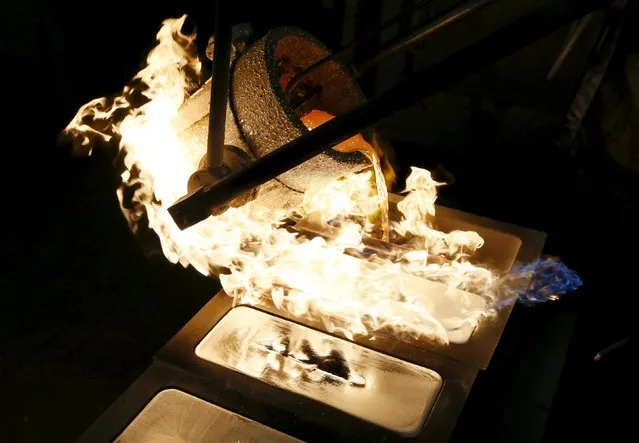
Ingots of 99.99 percent pure silver are cast at the Krastsvetmet Krasnoyarsk non-ferrous metals plant in the Siberian city of Krasnoyarsk, Russia, June 5, 2015. Krastsvetmet is one of the world's largest players in the precious metals industry. REUTERS/Ilya Naymushin

Ingots of 99.99 percent pure silver are cast at the Krastsvetmet Krasnoyarsk non-ferrous metals plant in the Siberian city of Krasnoyarsk, Russia, June 5, 2015. Krastsvetmet is one of the world's largest players in the precious metals industry. REUTERS/Ilya Naymushin
Details
13 Jun 2015 10:20:00
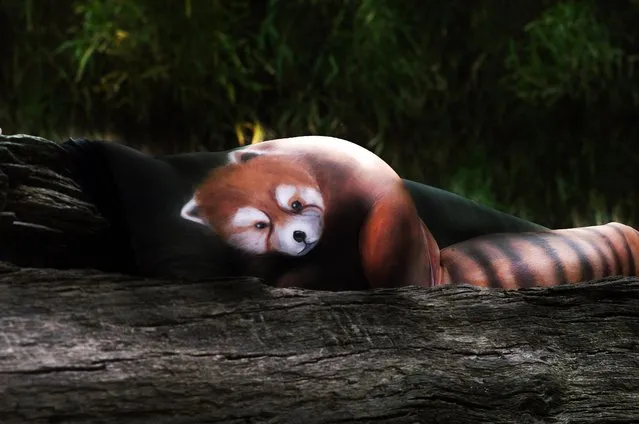
Using body paint and a woodland like location, Gesine appears to have created a model to look just like a red panda, Dortmund, Germany, October, 2016. An artist brings animals to life using body paint and contorted models. At first glance, these images could be mistaken for portraits of wildlife in their natural habitat were created with paper and paint. However, they are actually the incredible works of illusion by talented body painter Gesine Marwedel, who paints models to creates realistic animals. Marwedel, 29, from Dortmund, Germany has always been fascinated by the concept of transferring her designs to human bodies and her latest project features models posing in contorted positions. One image appears to show an elegant swan in a park pond, whilst another picture shows a mother penguin and its chick in a snowy landscape. (Photo by Gesine Marwedel/Barcroft Images)

Using body paint and a woodland like location, Gesine appears to have created a model to look just like a red panda, Dortmund, Germany, October, 2016. An artist brings animals to life using body paint and contorted models. At first glance, these images could be mistaken for portraits of wildlife in their natural habitat were created with paper and paint. However, they are actually the incredible works of illusion by talented body painter Gesine Marwedel, who paints models to creates realistic animals. (Photo by Gesine Marwedel/Barcroft Images)
Details
20 Dec 2016 12:53:00
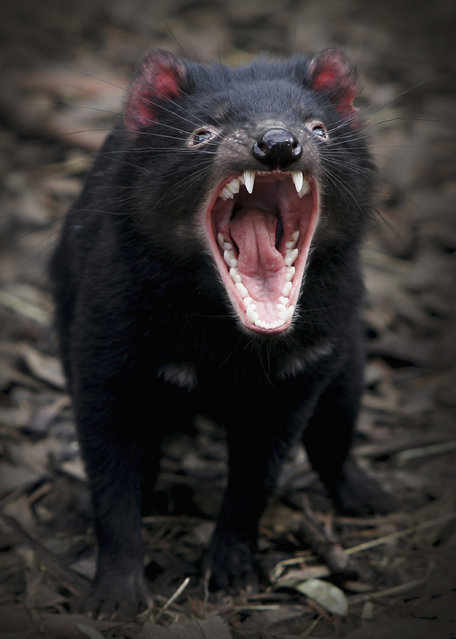
A Tasmanian Devil bears it's teeth at a quarantine facility August 31, 2005 in Hobart, Australia. The Devil, a native marsupial unique to Tasmania, is under threat from Devil Facial Tumor Disease (DFTD) which is decimating numbers throughout Tasmania. (Photo by Ian Waldie/Getty Images)

“The Tasmanian devil (Sarcophilus harrisii) is a carnivorous marsupial of the family Dasyuridae now found in the wild only in the Australian island state of Tasmania. The size of a small dog, it became the largest carnivorous marsupial in the world following the extinction of the thylacine in 1936. It is characterised by its stocky and muscular build, black fur, pungent odour, extremely loud and disturbing screech, keen sense of smell, and ferocity when feeding”. – Wikipedia. Photo: A Tasmanian Devil bears it's teeth at a quarantine facility August 31, 2005 in Hobart, Australia. (Photo by Ian Waldie/Getty Images)
Details
27 Jan 2014 09:45:00
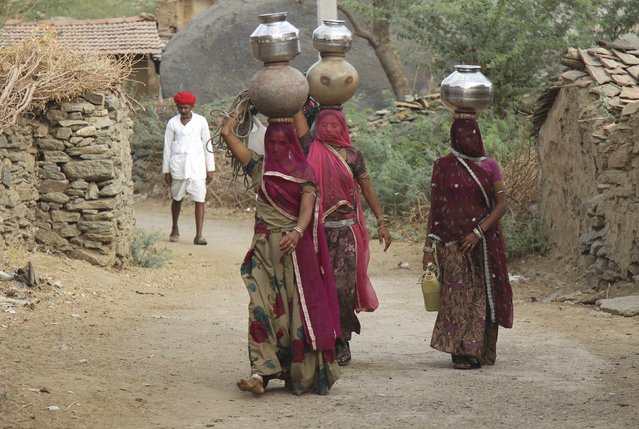
Women carry pitchers filled with drinking water in Devmali village in the desert state of Rajasthan, India, June 16, 2016. (Photo by Himanshu Sharma/Reuters)

Women carry pitchers filled with drinking water in Devmali village in the desert state of Rajasthan, India, June 16, 2016. (Photo by Himanshu Sharma/Reuters)
Details
19 Jun 2016 10:16:00
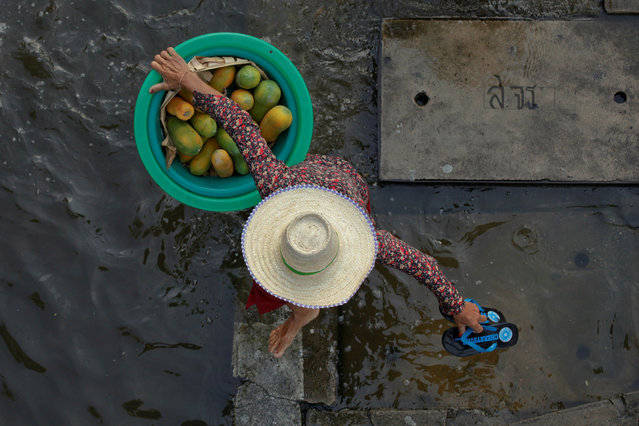
A woman carrying a basket of papayas while walking through a vegetable market in Bangkok, Thailand November 11, 2011. (Photo by Kerek Wongsa/Reuters)

A woman carrying a basket of papayas while walking through a vegetable market in Bangkok, Thailand November 11, 2011. (Photo by Kerek Wongsa/Reuters)
Details
11 Jul 2016 12:20:00
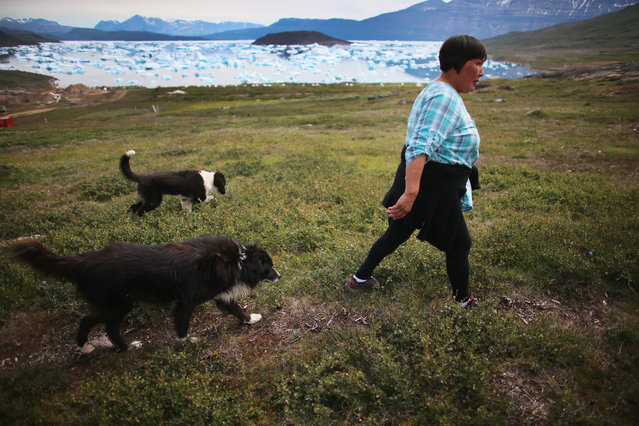
Arnaq Egede walks to the potato field on her family's farm on July 31, 2013 in Qaqortoq, Greenland. The farm, the largest in Greenland, has seen an extended crop growing season due to climate change. (Photo by Joe Raedle/Getty Images)

Arnaq Egede walks to the potato field on her family's farm on July 31, 2013 in Qaqortoq, Greenland. The farm, the largest in Greenland, has seen an extended crop growing season due to climate change. (Photo by Joe Raedle/Getty Images)
Details
22 Aug 2015 12:08:00
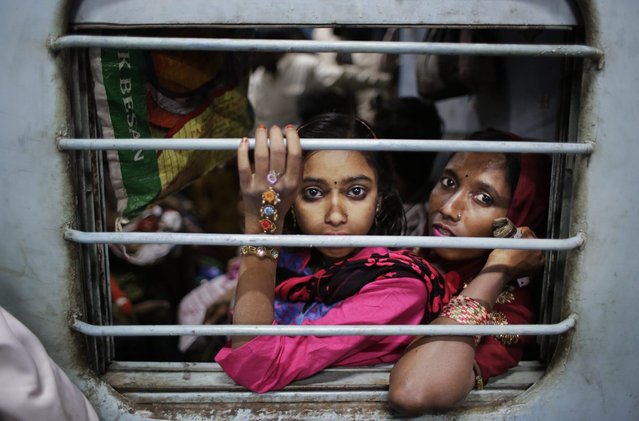
In this November 18, 2014 photo, Murshida, 12, sits on the lap of her mother Marjina as the train leaves for their village in West Bengal, at a railway station in New Delhi, India. Six months ago, Marjina stepped off a train in New Delhi with her two children, hoping to find a better life after her husband abandoned them without so much as a goodbye. (Photo by Altaf Qadri/AP Photo)

In this November 18, 2014 photo, Murshida, 12, sits on the lap of her mother Marjina as the train leaves for their village in West Bengal, at a railway station in New Delhi, India. Six months ago, Marjina stepped off a train in New Delhi with her two children, hoping to find a better life after her husband abandoned them without so much as a goodbye. The family spent their days at a landfill picking through other people’s garbage to find salvageable bits to resell or recycle. After six months of poverty, illness and shame, they returned to that train station in New Delhi, headed back to an uncertain future to their hometown in West Bengal. (Photo by Altaf Qadri/AP Photo)

Details
09 Dec 2014 09:47:00
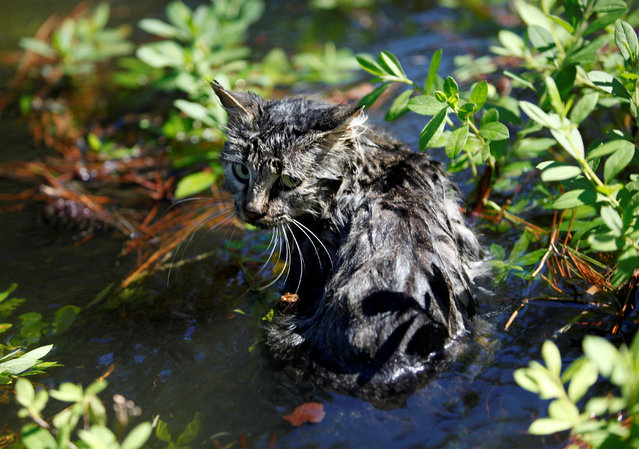
A cat sits in the flooding waters from Hurricane Matthew in downtown Nichols, South Carolina, October 10, 2016. (Photo by Randall Hill/Reuters)

A cat sits in the flooding waters from Hurricane Matthew in downtown Nichols, South Carolina, October 10, 2016. (Photo by Randall Hill/Reuters)
Details
14 Dec 2016 08:03:00