Loading...
Done
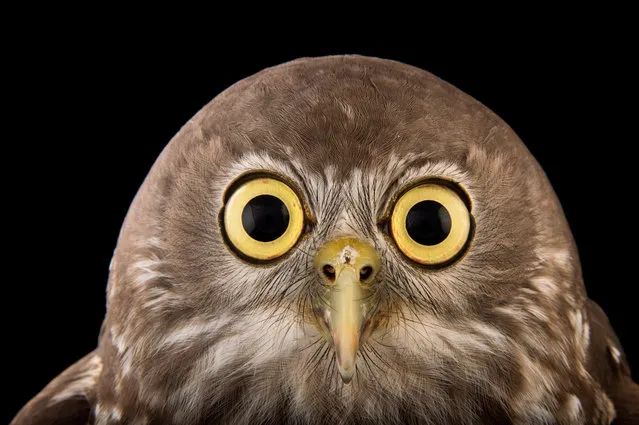
The National Geographic Photo Ark is a travelling exhibition of photographer Joel Sartore’s quest to create a photo archive of biodiversity around the world. So far, Sartore has captured studio portraits of more than 6,000 species – a number that he hopes to double. On 1 July, the ark will open at Melbourne zoo – the first time it has been exhibited in the southern hemisphere. More than 50 portraits will be on display, including many of Australian endangered animals being protected by programs at the zoo itself. These captions have been edited from text supplied by Melbourne zoo. Here: Barking owl. So-named because its call sounds like a barking dog, these birds are native to Australia, Indonesia and Papua New Guinea. In Victoria they are listed as an endangered species, and in 2003 there were estimated to be fewer than 50 breeding pairs. The main threat to the species in Victoria is loss of habitat, especially large trees with hollows in which they can nest and on which many of their prey depend. Apart from a bark, they may utter a chilling scream when they feel threatened. (Photo by Joel Sartore/National Geographic Photo Ark/The Guardian)

The National Geographic Photo Ark is a travelling exhibition of photographer Joel Sartore’s quest to create a photo archive of biodiversity around the world. So far, Sartore has captured studio portraits of more than 6,000 species – a number that he hopes to double. On 1 July, the ark will open at Melbourne zoo – the first time it has been exhibited in the southern hemisphere. More than 50 portraits will be on display, including many of Australian endangered animals being protected by programs at the zoo itself. These captions have been edited from text supplied by Melbourne zoo. Here: Barking owl. (Photo by Joel Sartore/National Geographic Photo Ark/The Guardian)
Details
01 Jul 2017 07:45:00
The Faces Of Waffles The Corgi
Rabbit
Details
03 Nov 2013 10:31:00
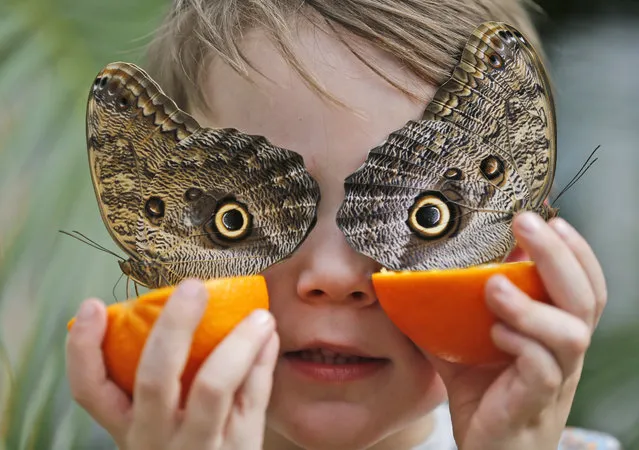
Five year old George holds an orange to feed the Owl butterflies at the Natural History Museum in London, Thursday, March 30, 2017. Hundreds of tropical butterflies were released to launch the Natural History Museum's Sensational Butterflies exhibition, starting for the public on March 31, 2017. (Photo by Frank Augstein/AP Photo)

Five year old George holds an orange to feed the Owl butterflies at the Natural History Museum in London, Thursday, March 30, 2017. Hundreds of tropical butterflies were released to launch the Natural History Museum's Sensational Butterflies exhibition, starting for the public on March 31, 2017. (Photo by Frank Augstein/AP Photo)
Details
31 Mar 2017 08:40:00
Мike Lee - CircleFaces

A series of portraits – “CircleFaces”. Author – Mike Lee
Details
10 Jan 2013 14:38:00
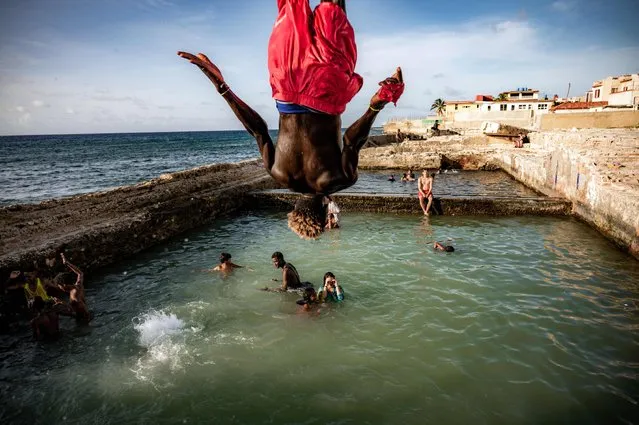
Cubans swim in a natural swimming pool off the coast of Havana on August 4, 2023. With the current hot summer, Havana residents have rushed to the dilapidated natural pools on the coast of their city, built by wealthy families in the first half of the last century. (Photo by Yamil Lage/AFP Photo)

Cubans swim in a natural swimming pool off the coast of Havana on August 4, 2023. With the current hot summer, Havana residents have rushed to the dilapidated natural pools on the coast of their city, built by wealthy families in the first half of the last century. (Photo by Yamil Lage/AFP Photo)
Details
22 Aug 2023 03:36:00
Polar Bear club swimmers take their annual swim in the sea at Coney Island in New York City on January 1, 2014. (Photo by Curtis Means/ACE/INFphoto.com)

Polar Bear club swimmers take their annual swim in the sea at Coney Island in New York City on January 1, 2014. (Photo by Curtis Means/ACE/INFphoto.com)
Details
03 Jan 2014 10:38:00
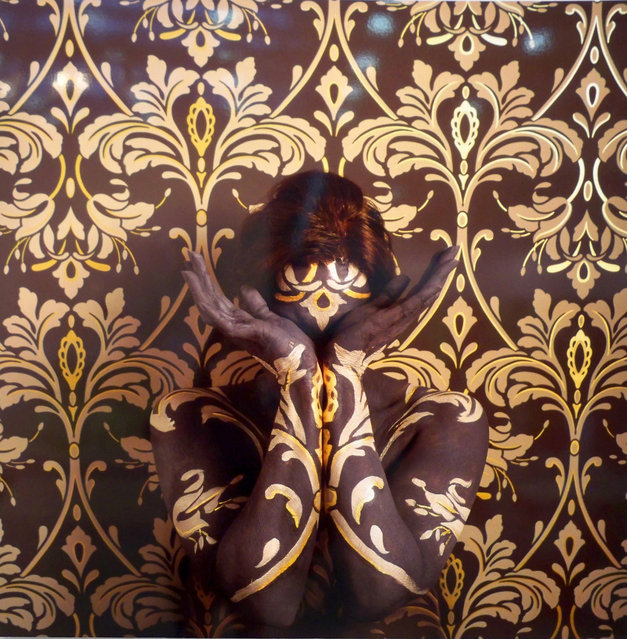
In The Eyes Of A Woman By Cecilia Paredes

Cecilia Paredes was born in Lima, Peru, and lives and works in San Jose and Philadelphia, United States. Her recent photographic work is a conspicuous exploration of sensual surfaces in which the body is deliberately confused with nature and nature with the body.
Details
22 Aug 2014 11:06:00
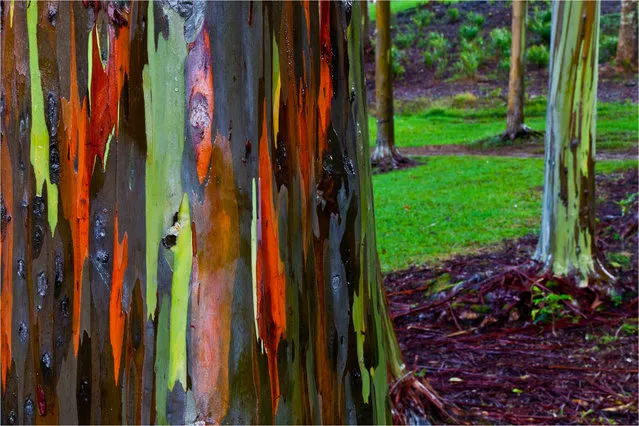
Rainbow Eucalyptus

Eucalyptus deglupta is a tall tree, commonly known as the Rainbow Eucalyptus, the Mindanao Gum, or the Rainbow Gum. It is the only Eucalyptus species found naturally in the Northern Hemisphere. Its natural distribution spans New Britain, New Guinea, Ceram, Sulawesi and Mindanao.
Details
01 Mar 2015 04:29:00