Loading...
Done
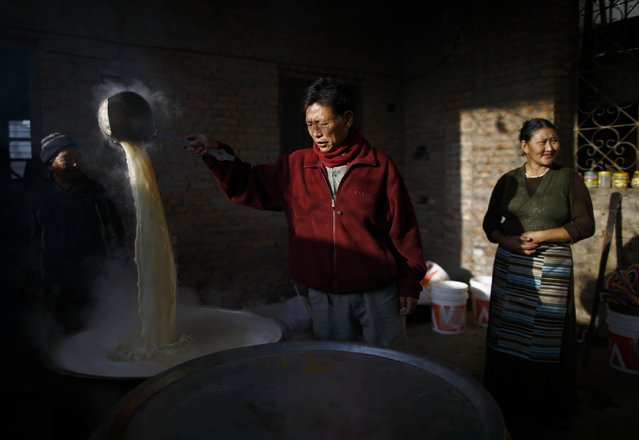
A Tibetan man stirs butter tea made for the arriving guest during the function organised to mark Losar or the Tibetan New Year at a Tibetan Refugee Camp in Lalitpur February 19, 2015. (Photo by Navesh Chitrakar/Reuters)

A Tibetan man stirs butter tea made for the arriving guest during the function organised to mark Losar or the Tibetan New Year at a Tibetan Refugee Camp in Lalitpur February 19, 2015. Tibetans across the world marked the arrival of the New Year with prayers and festivities. (Photo by Niranjan Shrestha/AP Photo)
Details
20 Feb 2015 13:06:00
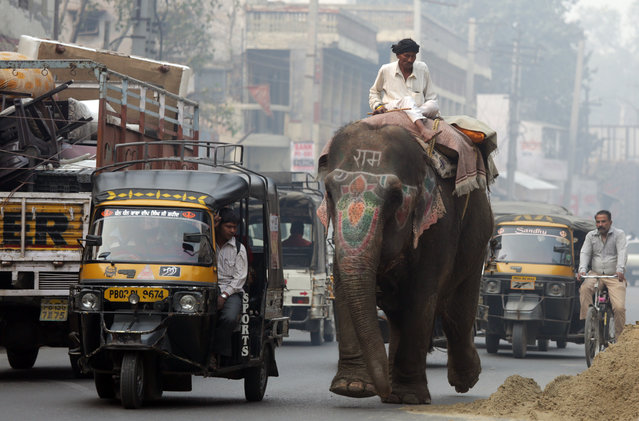
A mahout rides on an elephant in the city of Amritsar, India, 08 November 2015. Such elephants are often accompanied by their caretakers who ask for alms from people in the streets. (Photo by Raminder Pal Singh/EPA)

A mahout rides on an elephant in the city of Amritsar, India, 08 November 2015. Such elephants are often accompanied by their caretakers who ask for alms from people in the streets. (Photo by Raminder Pal Singh/EPA)
Details
10 Nov 2015 08:05:00
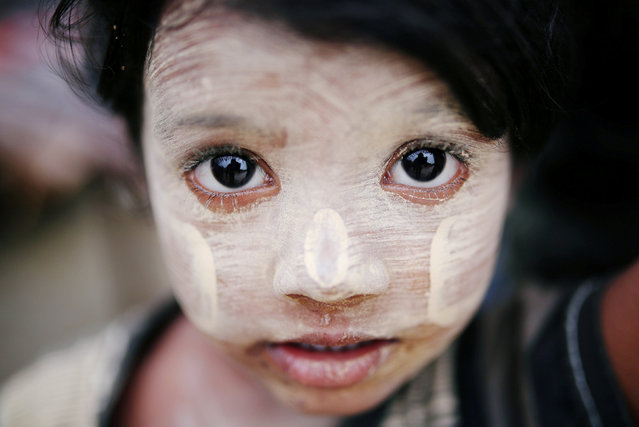
A Rohingya refugee child with thanaka paste is seen in Cox's Bazar, Bangladesh, July 4, 2018. (Photo by Mohammad Ponir Hossain/Reuters)

A Rohingya refugee child with thanaka paste is seen in Cox's Bazar, Bangladesh, July 4, 2018. (Photo by Mohammad Ponir Hossain/Reuters)
Details
09 Aug 2018 00:05:00
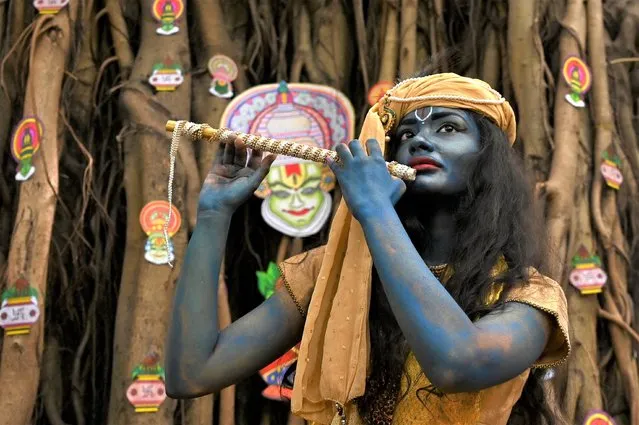
A student takes part in Tamil New Year and Vishu celebrations in Chennai on April 13, 2022. (Photo by Arun Sankar/AFP Photo)

A student takes part in Tamil New Year and Vishu celebrations in Chennai on April 13, 2022. (Photo by Arun Sankar/AFP Photo)
Details
19 Apr 2022 05:52:00
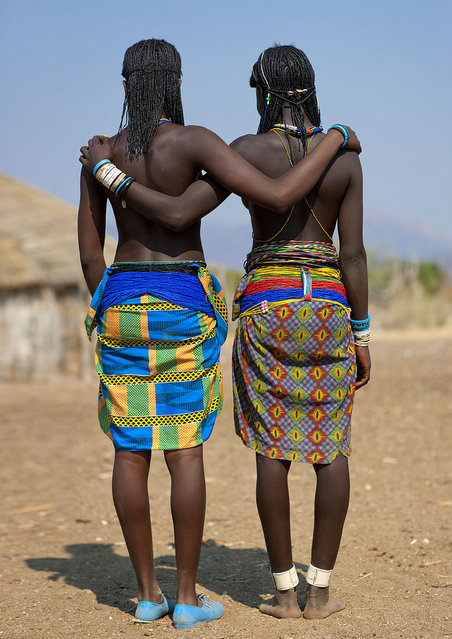
“Show us our butts! Mucawana tribe – Angola. In Soba village, the Muhacaona (Mucawana) tribe, perhaps the best place i have visited. They use cow dung and fat to make this so nice haircut, and love the beads. They asked me to make pictures of their backs... and butts to see on the camera screen if everything was perfect!”. (Eric Lafforgue)

“Show us our butts! Mucawana tribe – Angola. In Soba village, the Muhacaona (Mucawana) tribe, perhaps the best place i have visited. They use cow dung and fat to make this so nice haircut, and love the beads. They asked me to make pictures of their backs... and butts to see on the camera screen if everything was perfect!”. (Photo and comments by Eric Lafforgue)
Details
09 Nov 2012 15:04:00
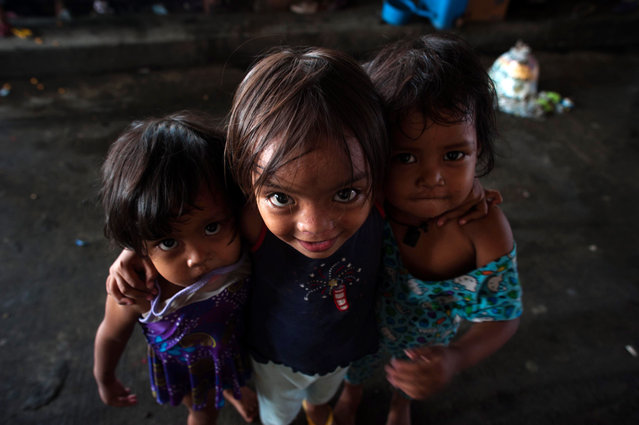
Children beg for alms in a street on August 11, 2014 in Manila, Philippines. The Philippines has one of the fastest growing populations in Southeast Asia with around 100 million people. (Photo by Dondi Tawatao/Getty Images)

Children beg for alms in a street on August 11, 2014 in Manila, Philippines. The Philippines has one of the fastest growing populations in Southeast Asia with around 100 million people. At least 12 million people live in the capital city of Manila alone, making it one of the most densely populated and largest cities in the world. Lack of space and economic opportunities has pushed around four million people to live informally along waterways, bridges and even cemeteries further straining the already weak infrastructure and straining the resources of the city. (Photo by Dondi Tawatao/Getty Images)
Details
12 Aug 2014 12:21:00
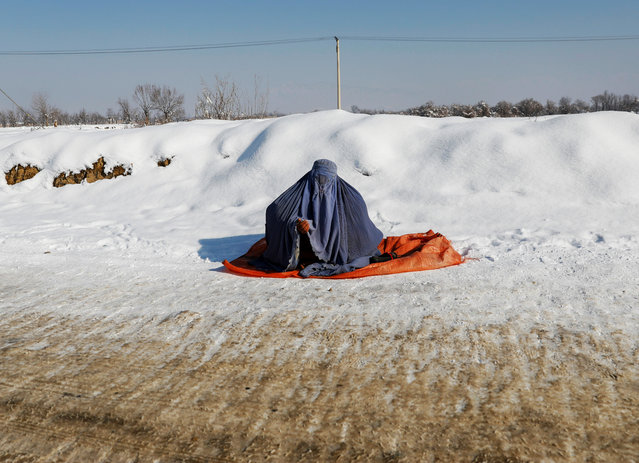
An Afghan woman clad in burqa begs in a snow-covered street in Kabul, Afghanistan on January 7, 2020. (Photo by Mohammad Ismail/Reuters)

An Afghan woman clad in burqa begs in a snow-covered street in Kabul, Afghanistan on January 7, 2020. (Photo by Mohammad Ismail/Reuters)
Details
16 Jan 2020 00:01:00
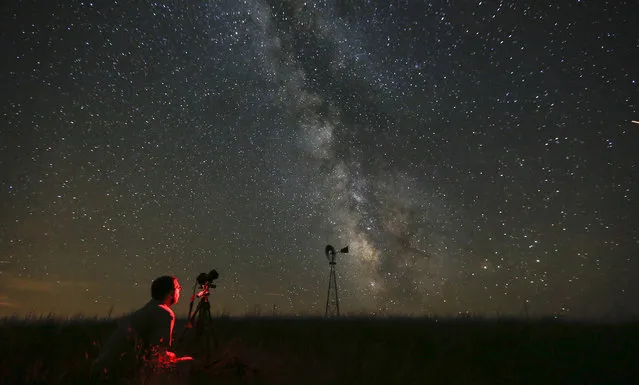
In this Wednesday, July 23, 2014 file photo, Omaha photographer Lane Hickenbottom photographs the night sky in a pasture near Callaway, Neb. With no moon in the sky, the Milky Way was visible to the naked eye. More than one-third of the world’s population can no longer see the Milky Way because of man-made lights, according to a scientific paper by Light Pollution Science and Technology Institute's Fabio Falchi and his team members, published on Friday, June 10, 2016. (Photo by Travis Heying/The Wichita Eagle via AP Photo)

In this Wednesday, July 23, 2014 file photo, Omaha photographer Lane Hickenbottom photographs the night sky in a pasture near Callaway, Neb. With no moon in the sky, the Milky Way was visible to the naked eye. More than one-third of the world’s population can no longer see the Milky Way because of man-made lights, according to a scientific paper by Light Pollution Science and Technology Institute's Fabio Falchi and his team members, published on Friday, June 10, 2016. (Photo by Travis Heying/The Wichita Eagle via AP Photo)
Details
11 Jun 2016 12:37:00