Taylor Swift attends the 2018 American Music Awards at Microsoft Theater on October 9, 2018 in Los Angeles, California. (Photo by Jon Kopaloff/FilmMagic)
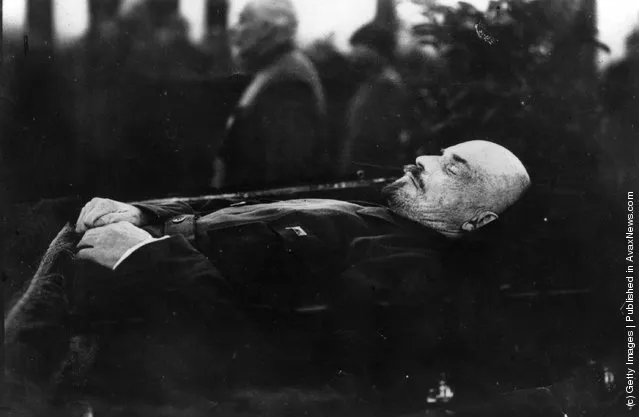
Photo: Vladimir Ilyich Lenin (1870 – 1924) lying in state in the Kremlin. (Photo by Hulton Archive/Getty Images). 1924
Important! For the same article in Russian language click here.
Something quite intriguing is happening within Russian-speaking internet during the last few – should you type a fully academic inquiry (at least, according to Russian academic requirements) in national search engines for "Lenin's mausoleum" – the first thing you get (even in top 10 searches) is website pages talking about black magic and occult. Website authors view this construction differently, but unconditionally agree on one thing: the mausoleum of the "leader of the world proletariat” – the essence of a magical artifact, a sort of “energy vampire”. It was built with a certain purpose: to drain the energy out of miserable Soviet citizens on one hand; and to poison the anthroposphere of one-sixth part of the earth with its vibes (the exact territory that was occupied by the former Soviet Union), depriving the Russian people of will to resist on the other hand. Complete nonsense? No doubt. Nevertheless, an intriguing one. Well, probably because some oddities do exist in mausoleum's history. These oddities are the thing we are going to discuss this time. First, let me refresh you memory on the subject.
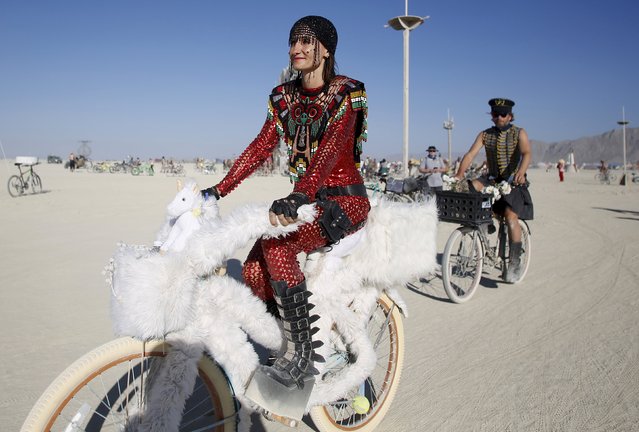
Bibi rides her bike on the Playa during the Burning Man 2015 “Carnival of Mirrors” arts and music festival in the Black Rock Desert of Nevada, August 31, 2015. Approximately 70,000 people from all over the world are gathering at the sold-out festival to spend a week in the remote desert to experience art, music and the unique community that develops. (Photo by Jim Urquhart/Reuters)
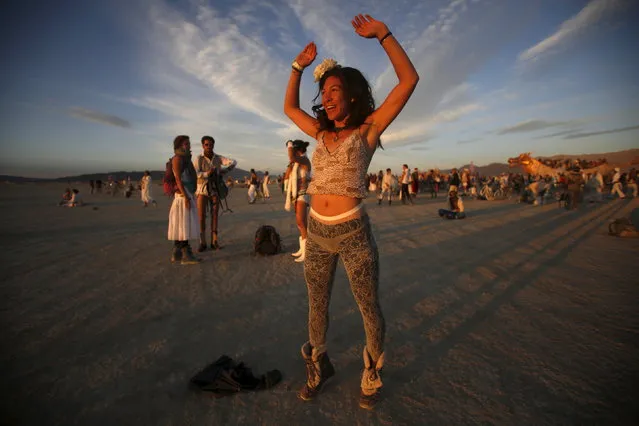
Tracy Sarita celebrates the sunrise during the Burning Man 2015 “Carnival of Mirrors” arts and music festival in the Black Rock Desert of Nevada, September 3, 2015. Approximately 70,000 people from all over the world are gathering at the sold-out festival to spend a week in the remote desert to experience art, music and the unique community that develops. (Photo by Jim Urquhart/Reuters)
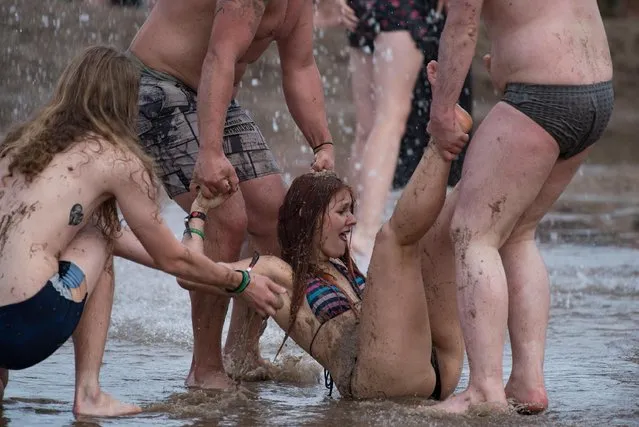
Fans bath in the mud during the “Woodstock Festival Poland” on August 3, 2017 in Kostrzyn Nad Odra, Poland. The annual 3 day music festival organised by The Great Orchestra of Christmas Charity, one of Polands most respected charities aims at spreading awareness about drugs and violence. Przystanek Woodstock in Poland is the largest Europe open air festival. (Photo by Music/Alamy Stock Photo)
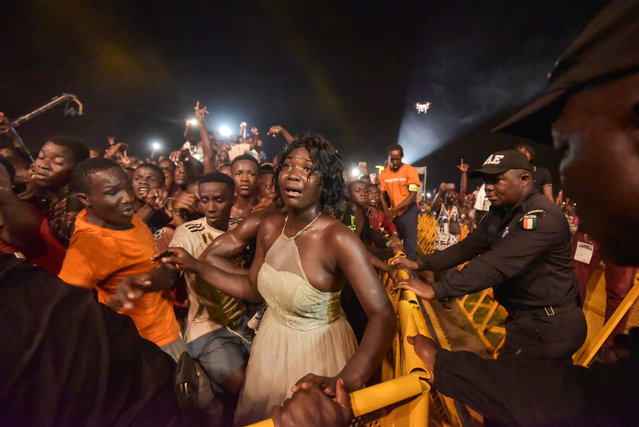
Ivorian police officers of the Anti-Riot Brigade (BAE) contain the crowd during a performance by French rapper Okou Armand Gnakouri known as Kaaris during the Festival of Urban Music of Anoumabo (Femua) in Abidjan on April 28, 2019. The performance of French-Ivorian rapper Kaaris at the Festival of Urban Music of Anoumabo (Femua) in Abidjan escalated into violence after a crowd surge, causing some minor injuries, according to an AFP journalist at the concert. (Photo by Sia Kambou/AFP Photo)
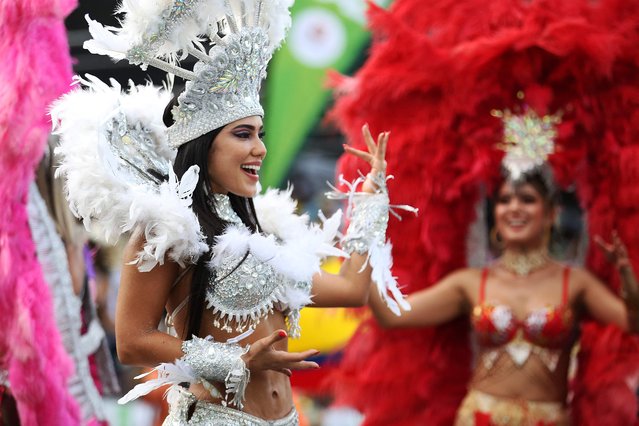
Revellers perform during the “Salsodromo”, the kick-off of the music and cultural festival Feria de Cali (Cali Fair) in Cali, Colombia, on December 25, 2021. The “Salsodromo”, an event in which more than 2,500 revellers and salsa music dancers perform along a kilometre-long stripe, marks the start of the Feria de Cali festival every year. (Photo by Paola Mafla/AFP Photo)