Loading...
Done
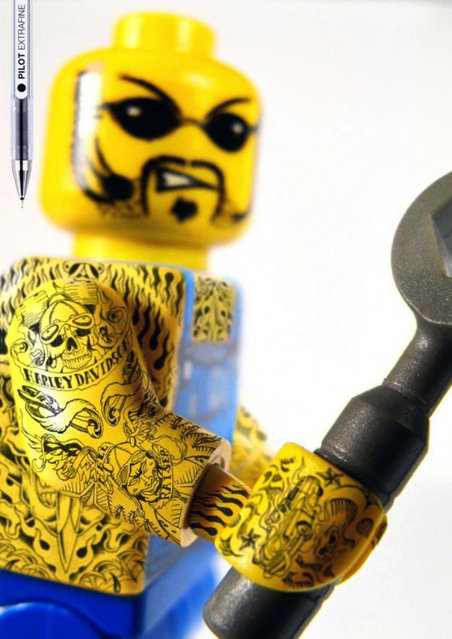
LEGO Tattoo By Pilot Extra-Fine

A awesome ad for ball-pen “Pilot Extra-fine“, with some crazy Bad a*s Tattoo on LEGO figurines. Created by Grey agency (Barcelona).
Details
31 Jul 2013 11:45:00
 Into The Mirror By Luca Meneghel

Luca Meneghel is an italian photographer specialized in fashion and food photography with a background in design. He was born in Belluno the 19th. february 1989 and now he’s based in Bolzano. “Into the Mirror is a series of images that intersect reality and artistry through the fusion of lens captures and hand drawing”.
Details
24 Nov 2013 10:52:00
Chinese Music History Museum In Xian

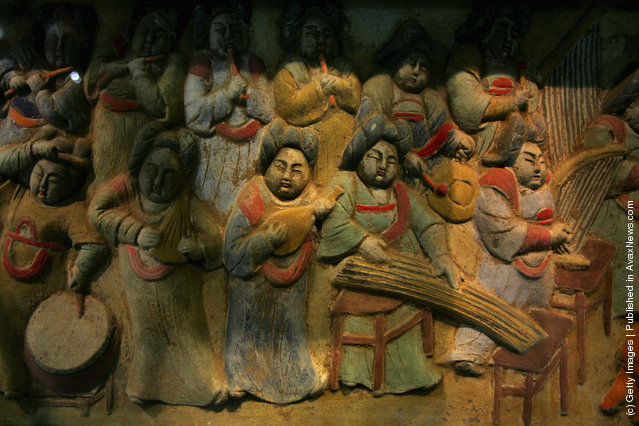
Brick-carving featuring Tang Dynasty (AD 618-907) maids performing musical instruments is seen at the Chinese Music History Museum in Xian University of Architecture and Technology on September 27, 2008 in Xian of Shaanxi Province, China. (Photo by China Photos/Getty Images)
Details
13 Aug 2011 12:21:00
Hunted On The Road

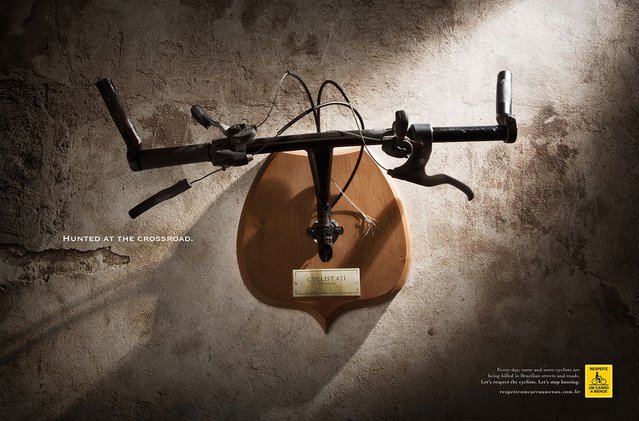
Created by Brazilian agency Heads Propaganda, these thought-provoking poster ads draw attention to the fact that many cyclists are knocked down at night due to the lack of respect by the motorists who share their roads.
Details
15 Mar 2014 13:32:00
People look at a Christmas tree decorated with colourful lights at a residential compound in beijing on December 8, 2017. (Photo by Nicolas Asfouri/AFP Photo)

People look at a Christmas tree decorated with colourful lights at a residential compound in Beijing on December 8, 2017. (Photo by Nicolas Asfouri/AFP Photo)
Details
22 Dec 2017 07:59:00
Sunset on Brighton beach on February 24, 2019 in Brighton, England. (Photo by Andrew Hasson/Getty Images)

Sunset on Brighton beach on February 24, 2019 in Brighton, England. (Photo by Andrew Hasson/Getty Images)
Details
27 Feb 2019 00:03:00
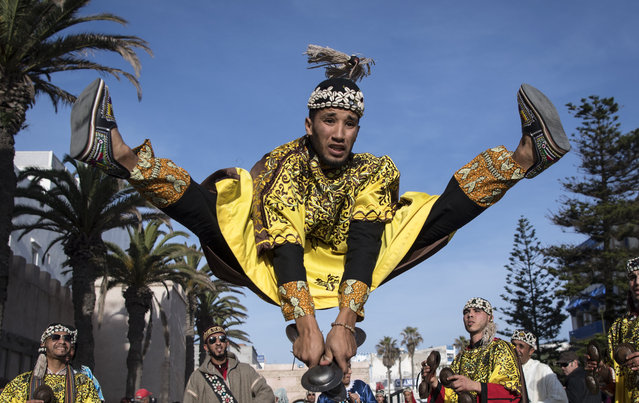
A Gnawa traditional group performs in the city of Essaouira on December 14, 2019, to celebrate the decision of adding the Gnawa culture to UNESCO's list of Intangible Cultural Heritage of Humanity. Gnawa culture, a centuries-old Moroccan practice rooted in music, African rituals and Sufi traditions, was added to UNESCO's list of Intangible Cultural Heritage of Humanity earlier in the week. Gnawa refers to a “set of musical productions, fraternal practices and therapeutic rituals where the secular mixes with the sacred”, according to the nomination submitted by Morocco. Often dressed in colourful outfits, Gnawa musicians play the guenbri, a type of lute with three strings, accompanied by steel castanets called krakebs. (Photo by Fadel Senna/AFP Photo)

A Gnawa traditional group performs in the city of Essaouira on December 14, 2019, to celebrate the decision of adding the Gnawa culture to UNESCO's list of Intangible Cultural Heritage of Humanity. Gnawa culture, a centuries-old Moroccan practice rooted in music, African rituals and Sufi traditions, was added to UNESCO's list of Intangible Cultural Heritage of Humanity earlier in the week. Gnawa refers to a “set of musical productions, fraternal practices and therapeutic rituals where the secular mixes with the sacred”, according to the nomination submitted by Morocco. Often dressed in colourful outfits, Gnawa musicians play the guenbri, a type of lute with three strings, accompanied by steel castanets called krakebs. (Photo by Fadel Senna/AFP Photo)
Details
18 Dec 2019 00:05:00
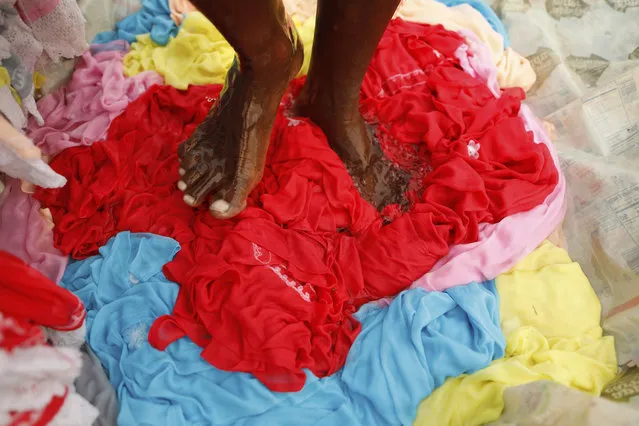
A dhobi, or a washerman washes cloths on the banks of the River Gomti in Lucknow, India, Saturday, September 12, 2020. Dhobis are traditional laundry workers who wash clothes by hand and dry them in the sun, an occupation which has been in existence for generations. Most cities in India have a Dhobi Ghat, or washermen's area, where the city's pile of clothes is laundered. This practice is still popular in India, despite of modern technology. Around 1,000 families work in Lucknow's Dhobi Ghat. However, in light of the novel coronavirus, their wages have decreased drastically. With each family earning around US$100-200 per month. (Photo by Rajesh Kumar Singh/AP Photo)

A dhobi, or a washerman washes cloths on the banks of the River Gomti in Lucknow, India, Saturday, September 12, 2020. Dhobis are traditional laundry workers who wash clothes by hand and dry them in the sun, an occupation which has been in existence for generations. Most cities in India have a Dhobi Ghat, or washermen's area, where the city's pile of clothes is laundered. This practice is still popular in India, despite of modern technology. Around 1,000 families work in Lucknow's Dhobi Ghat. However, in light of the novel coronavirus, their wages have decreased drastically. With each family earning around US$100-200 per month. (Photo by Rajesh Kumar Singh/AP Photo)

Details
25 Sep 2020 00:03:00