Loading...
Done
Afghanistan: Dogs of War Part 2

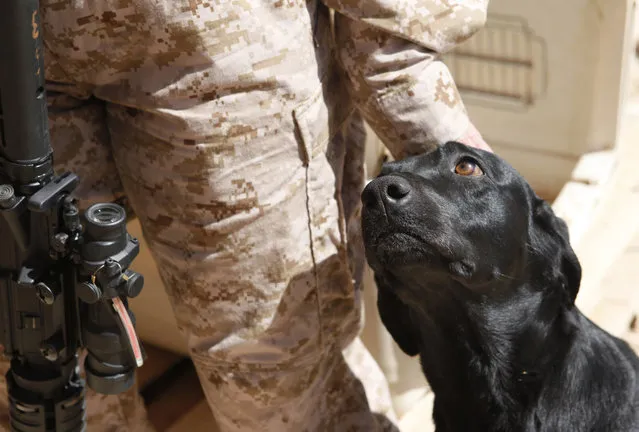
Throughout the course of the long war in Afghanistan, Coalition troops have relied on thousands of military working dogs to help keep them safe, and make their jobs easier. The dogs are trained to detect explosives, to find illegal drugs, to search for missing comrades, or target enemy combatants. Not only are they active on the front lines, but behind the lines they serve as therapy dogs, service dogs, and loyal companions. They also share the same risks as the ground troops, suffering injuries and sometimes death on the battlefields. Gathered here are images of these dogs and their handlers in Afghanistan and back home, from over the past several years, part of the ongoing series here on Afghanistan.
Details
05 Jun 2014 21:10:00
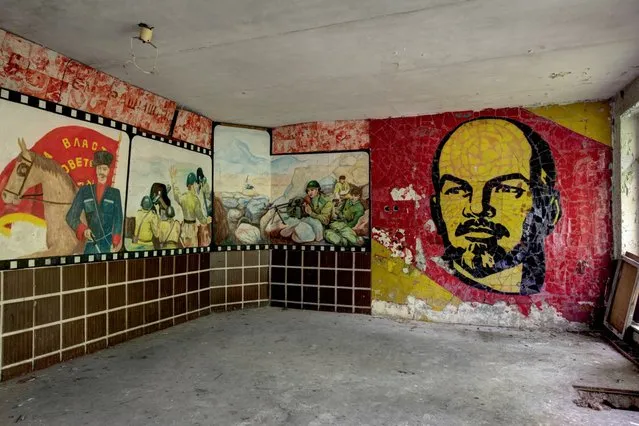
The Soviet Union Abandoned: A Communist Empire In Decay By Rebecca Litchfield

Only the most intrepid urban explorers cross the tattered ruins of the old Iron Curtain to endure the excessive bureaucracy, military paranoia and freezing winds of the East to hunt for the ghosts of an empire. Rebecca Litchfield is one who couldn’t resist the haunting allure of the ruins of the Soviet Union.
Details
21 Jul 2014 11:03:00
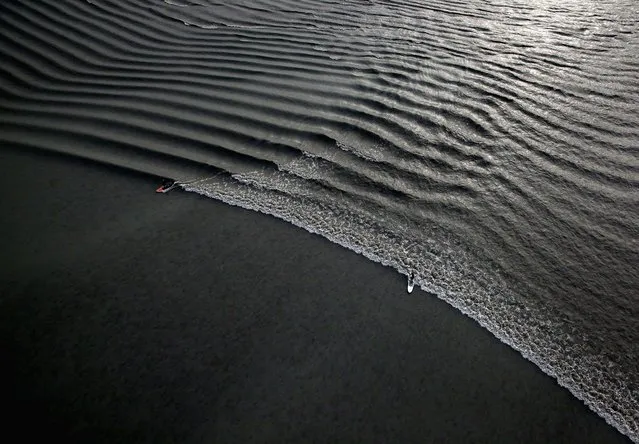
A group of surfers ride the Bore Tide at Turnagain Arm on July 15, 2014 in Anchorage, Alaska. Alaskas most famous Bore Tide, occurs in a spot on the outside of Anchorage in the lower arm of the Cook Inlet, Turnagain Arm, where wave heights can reach 6-10 feet tall, move at 10-15 mph and the water temperature stays around 40 degrees farenheit. This years Supermoon substantially increased the size of the normal wave and made it a destination for surfers. (Photo by Streeter Lecka/Getty Images)

A group of surfers ride the Bore Tide at Turnagain Arm on July 15, 2014 in Anchorage, Alaska. Alaskas most famous Bore Tide, occurs in a spot on the outside of Anchorage in the lower arm of the Cook Inlet, Turnagain Arm, where wave heights can reach 6-10 feet tall, move at 10-15 mph and the water temperature stays around 40 degrees farenheit. This years Supermoon substantially increased the size of the normal wave and made it a destination for surfers. (Photo by Streeter Lecka/Getty Images)
Details
05 Aug 2014 12:08:00
Travel Images by Photographer Dougie Wallace

London-based, award winning, Scottish, documentary and street photographer Dougie Wallace, “Glasweegee” grew up in Glasgow. He has lived in east London for 15 years but spends a lot of time travelling abroad in search of subjects.

P.S. Unfortunately, the author doesn't make comments on the photos, therefore it's necessary to guess where there are events: in Thailand, India, Russia or France. On the other hand, photos are very fine in itself, therefore it's absolutely unimportant. Seriously – the magnificent photographer. Enjoy!
Details
19 May 2013 07:25:00
French fashion model Christiane Richard wears a bikini while drinking her morning coffee, 1950. (Photo by Nat Farbman/Time & Life Pictures/Getty Images)

French fashion model Christiane Richard wears a bikini while drinking her morning coffee, 1950. (Photo by Nat Farbman/Time & Life Pictures/Getty Images)
Details
07 Aug 2013 13:44:00
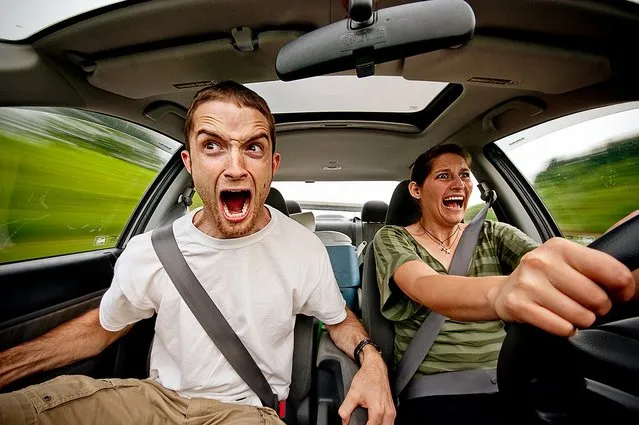
Road Trip! (Photo by Thad Lawrence)

Interesting photos which can't be united in a certain series quite often come across to me. Therefore I publish simply a small group of separate pictures – enjoy, if it's interesting to you. Photo: “Road Trip!” (Photo by Thad Lawrence)

Details
05 Oct 2012 09:58:00
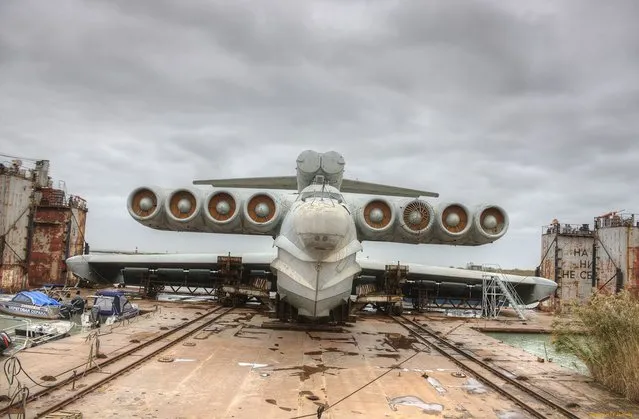
The Lun-class Ekranoplane was used by the Soviet Navy starting in 1987, and wasn't retired until the late 1990s, after the Soviet Union's fall. (Igor113)

“The Lun-class ekranoplan (NATO reporting name Duck) was a ground effect vehicle (GEV) designed by Rostislav Evgenievich Alexeev and used by the Soviet and Russian navies from 1987 until sometime in the late 1990s. It “flew” using the lift generated by the ground effect of its large wings when close to the surface of the water – about four metres or less. Although they might look similar and/or have related technical characteristics, ekranoplans like the Lun are not aircraft, seaplanes, hovercraft, or hydrofoils – ground effect is a separate technology altogether. The International Maritime Organization classifies these vehicles as maritime ships. The name Lun comes from the Russian for harrier”. – Wikipedia (Photo by Igor113)
Details
08 Aug 2014 10:51:00
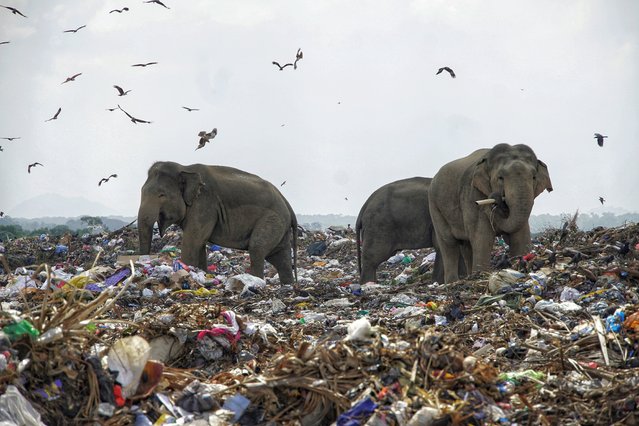
Elephants forage for food at a rubbish dump encroaching on their jungle habitat in Oluvil, Sri Lanka in September 2020. Examination of dead elephants has revealed undigested polythene and other plastic waste. (Photo by Tharmaplan Tilaxan/Cover Images)

Elephants forage for food at a rubbish dump encroaching on their jungle habitat in Oluvil, Sri Lanka in September 2020. Examination of dead elephants has revealed undigested polythene and other plastic waste. (Photo by Tharmaplan Tilaxan/Cover Images)
Details
11 Nov 2020 00:05:00