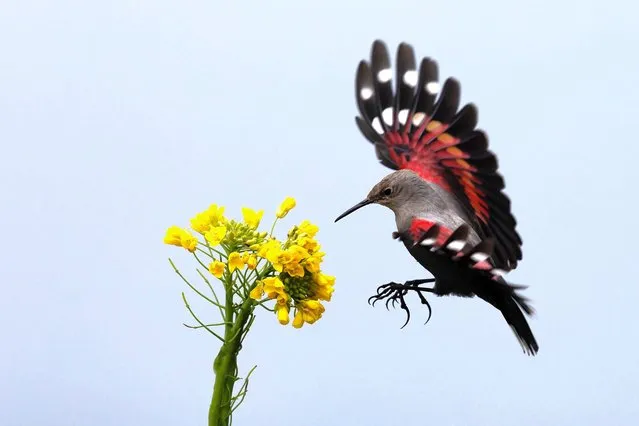
A Wallcreeper (aka Tichodroma muraria) flies to a flower on January 28, 2024 in Leshan, Sichuan Province of China. (Photo by Zhou Zhiyong/VCG via Getty Images)
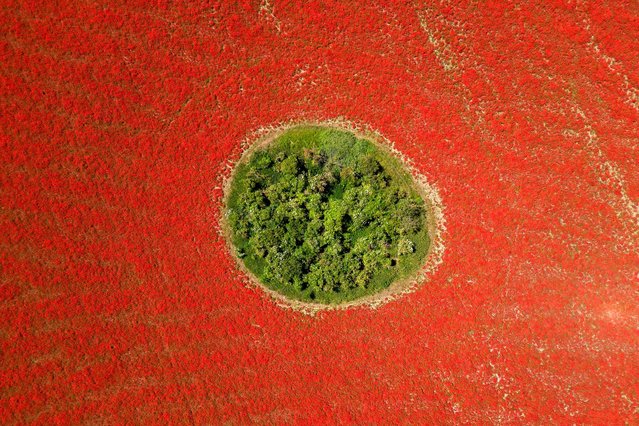
A field of poppies in flower in Great Massingham, Norfolk, UK on Tuesday, June 25, 2024. The field has been rewilded by the landowner, with the soil being ploughed and harrowed before being left for nature to run its course with the result being a huge sea of red poppies. (Photo by Joe Giddens/PA Images via Getty Images)
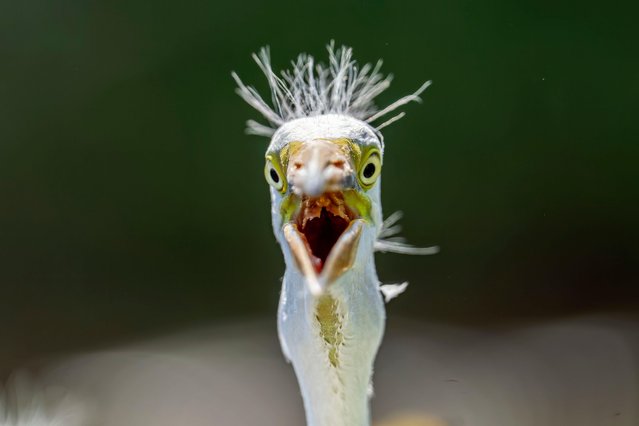
An egret in the second decade of April 2025 cools off in the Florida heat by gular fluttering, rapidly vibrating its throat muscles with an open beak. The mechanism helps to dissipate heat through evaporation. (Photo by Ronen Tivony/ZUMA Press Wire/Alamy Live News)
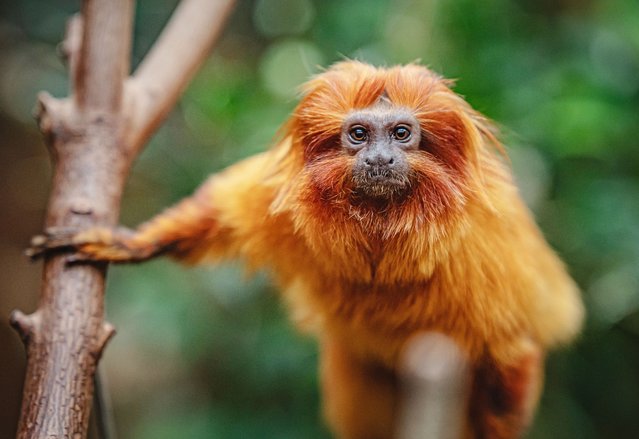
Chester Zoo in the second decade of August 2025 has welcomed a pair of tiny golden lion tamarins, named George, seven, and Leaf, 12. (Phoot by Chester Zoo)
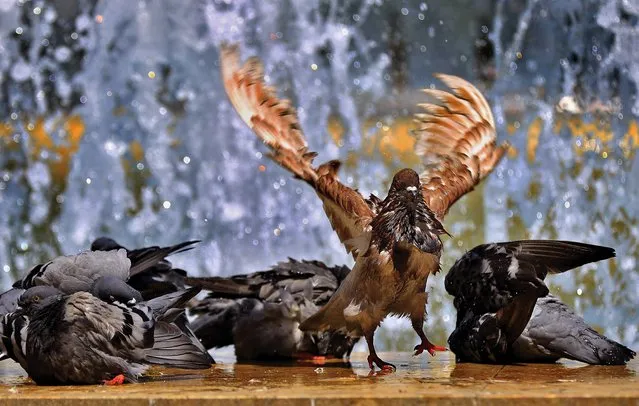
Pigeons cool down at a public fountain on a hot summer day at University Plaza in downtown Bucharest, Romania, 10 June 2020. Temperatures in Bucharest reached 30 degrees Celsius. (Photo by Robert Ghement/EPA/EFE)
A hunter holds her tamed golden eagle during a traditional hunting contest near the village of Tole Bi in Almaty region, Kazakhstan on November 9, 2024. (Photo by Pavel Mikheyev/Reuters)
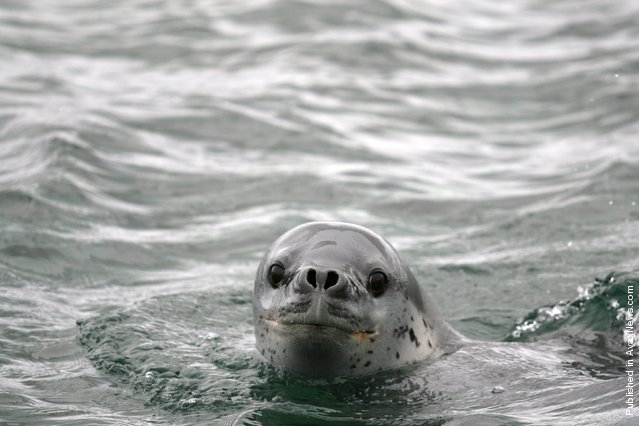
“The leopard seal (Hydrurga leptonyx), also referred to as the sea leopard, is the second largest species of seal in the Antarctic (after the southern elephant seal). It is most common in the southern hemisphere along the coast of Antarctica and on most sub-Antarctic islands, but can also be found on the coasts of southern Australia, Tasmania, South Africa, New Zealand, Lord Howe Island, Tierra del Fuego, the Cook Islands, and the Atlantic coast of South America. It can live twenty-six years, possibly more. Orcas and large sharks are the only natural predators of leopard seals”. – Wikipedia