Loading...
Done
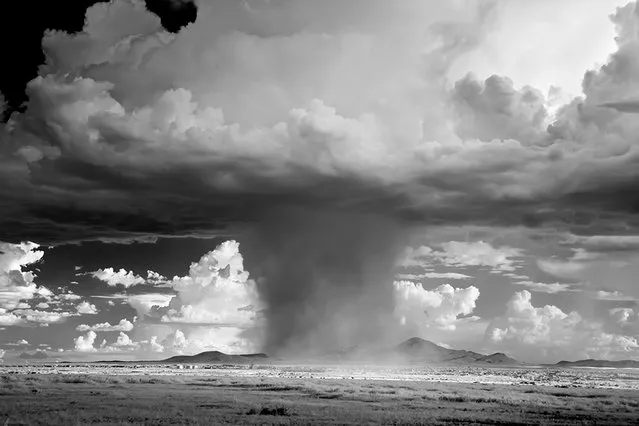
“My goal was to capture the image of a storm that emulated an atomic explosion”, Dobrowner says of this picture. Here: “Monsoon”, Lordsburg, N.M., 2010. (Photo by Roger Hill)

“My goal was to capture the image of a storm that emulated an atomic explosion”, Dobrowner says of this picture. Here: “Monsoon”, Lordsburg, N.M., 2010. (Photo by Roger Hill)
Details
18 Aug 2014 09:13:00
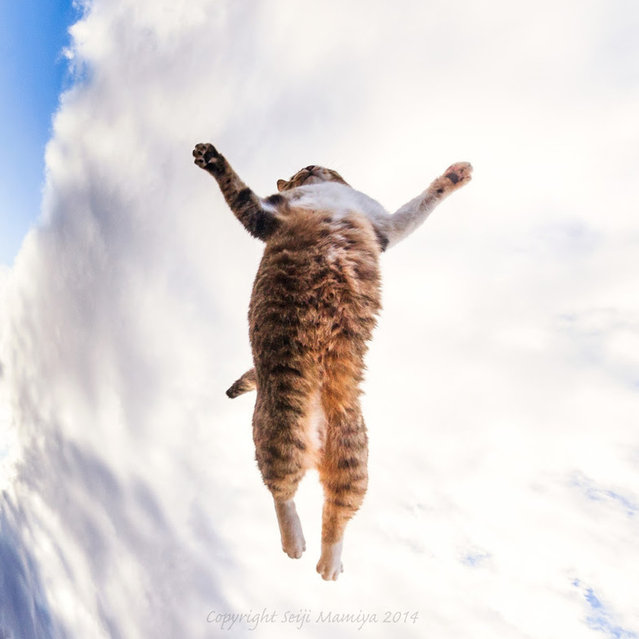
Cats By Seiji Mamiya

“Hi! My name is Seiji Mamiya. I hope my cat pictures would make you all happy!”

Details
21 Feb 2014 14:27:00
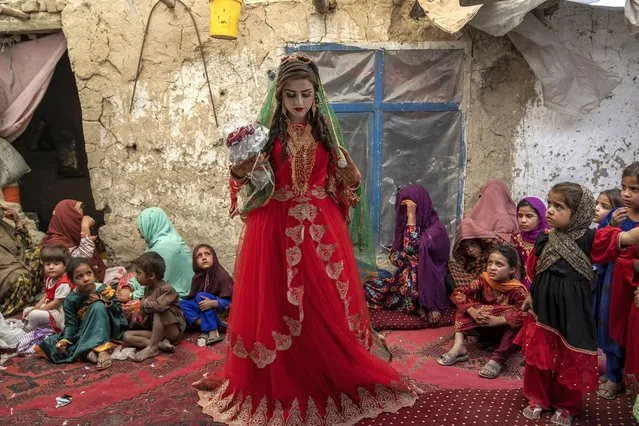
Shamila, 15, from an internally displaced family, adjusts her wedding dress in an old mud house yard, on her wedding day, on the outskirts of Kabul, Afghanistan, Friday, May 19, 2023. “I have no choice. If I don’t accept, my family will be hurt”, she says. Due to poverty and debt, her father had to marry her to a boy at a young age. Her father said that if I did not do this, I might have to give my daughter to someone that I owe. Now, with the money I received from the boy's family, I can pay my debt and treat my son. (Photo by Ebrahim Noroozi/AP Photo)

Shamila, 15, from an internally displaced family, adjusts her wedding dress in an old mud house yard, on her wedding day, on the outskirts of Kabul, Afghanistan, Friday, May 19, 2023. “I have no choice. If I don’t accept, my family will be hurt”, she says. Due to poverty and debt, her father had to marry her to a boy at a young age. Her father said that if I did not do this, I might have to give my daughter to someone that I owe. Now, with the money I received from the boy's family, I can pay my debt and treat my son. (Photo by Ebrahim Noroozi/AP Photo)
Details
12 Jan 2024 18:46:00
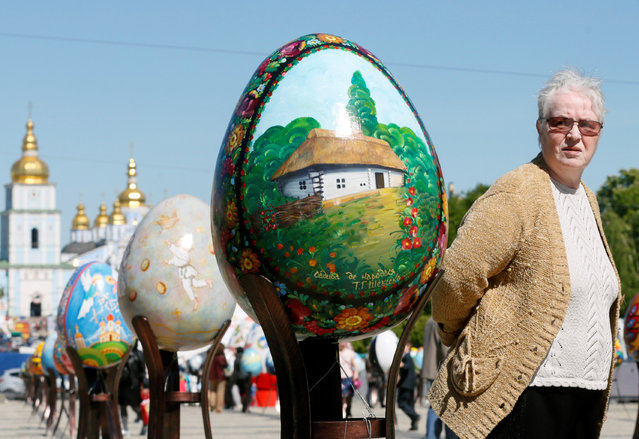
A woman looks at traditional Ukrainian Easter eggs “Pysanka”, installed as part of the upcoming celebrations of Easter, in central Kiev, Ukraine, April 29, 2016. A pysanka is a Ukrainian Easter egg, decorated with traditional Ukrainian folk designs using a wax-resist (batik) method. The word pysanka comes from the verb pysaty, “to write”, as the designs are not painted on, but written with beeswax. Many other eastern European ethnic groups decorate eggs using wax resist for Easter. These include the Belarusians, Bulgarians, Croats, Czechs, Hungarians, Lithuanians, Poles, Romanians, Serbs, Slovaks, Slovenes and Sorbs. (Photo by Valentyn Ogirenko/Reuters)

A woman looks at traditional Ukrainian Easter eggs “Pysanka”, installed as part of the upcoming celebrations of Easter, in central Kiev, Ukraine, April 29, 2016. A pysanka is a Ukrainian Easter egg, decorated with traditional Ukrainian folk designs using a wax-resist (batik) method. The word pysanka comes from the verb pysaty, “to write”, as the designs are not painted on, but written with beeswax. Many other eastern European ethnic groups decorate eggs using wax resist for Easter. These include the Belarusians, Bulgarians, Croats, Czechs, Hungarians, Lithuanians, Poles, Romanians, Serbs, Slovaks, Slovenes and Sorbs. (Photo by Valentyn Ogirenko/Reuters)
Details
30 Apr 2016 09:00:00
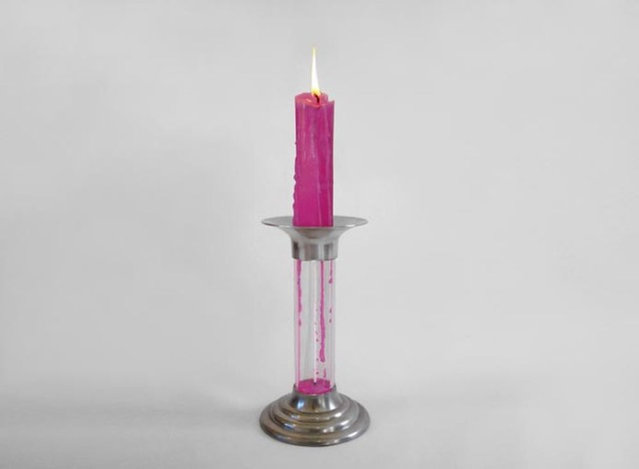
Rekindle Candle By Benjamin Shine

The Rekindle Candle is a clever candlestick holder that regenerates the candle as it burns by forming the melted wax into a new candle. The newly-formed candle can then be placed on top of the holder and the process can be started again. Rekindle Candle was designed by Benjamin Shine.
Details
23 Aug 2014 17:37:00
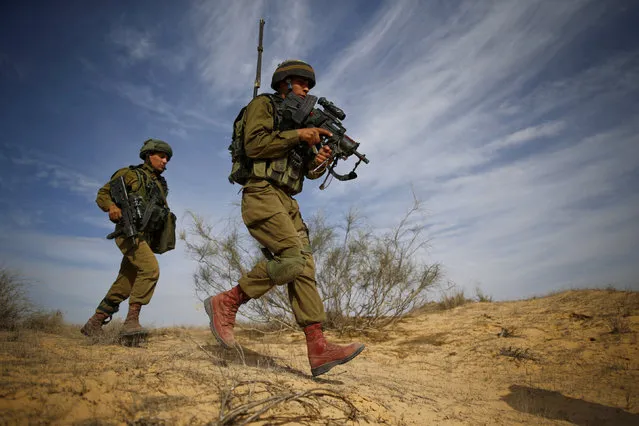
Yussef Saluta (R), 20, an Israeli Arab soldier from the Desert Reconnaissance battalion takes part in a drill near Kissufim in southern Israel November 29, 2016. (Photo by Amir Cohen/Reuters)

Yussef Saluta (R), 20, an Israeli Arab soldier from the Desert Reconnaissance battalion takes part in a drill near Kissufim in southern Israel November 29, 2016. A battalion of soldiers crawls across the desert sand with assault rifles cocked. It's a routine exercise, but these are no ordinary troops – they are Arabs who have chosen to fight for the Jewish state. (Photo by Amir Cohen/Reuters) (Photo by Amir Cohen/Reuters)
Details
07 Dec 2016 11:48:00
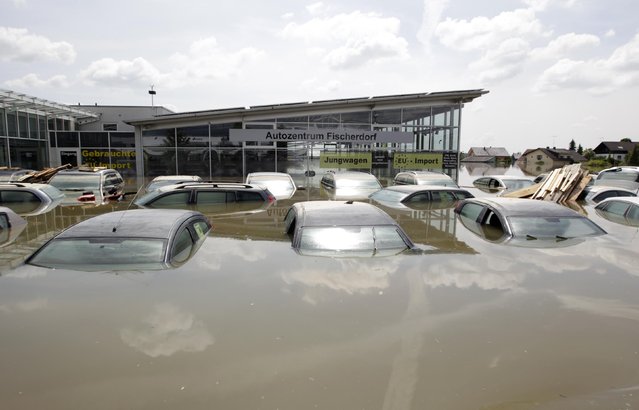
Cars at a car dealership are seen in the flooded village of Fischerdorf, near Deggendorf June 7, 2013. REUTERS/Michaela Rehle

Cars at a car dealership are seen in the flooded village of Fischerdorf, near Deggendorf June 7, 2013. REUTERS/Michaela Rehle

Details
02 Jun 2014 05:57:00
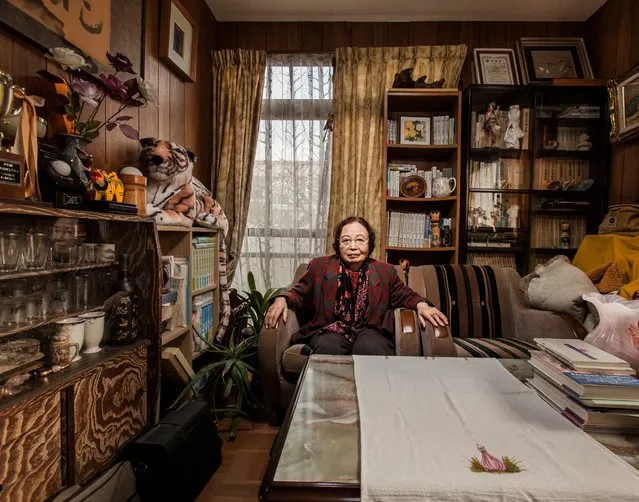
Takeoka Chisaka, Hiroshima, Japan. “One morning in August 1945, I was walking home from the night shift at a factory in Hiroshima. As I reached my door, there was a huge explosion. When I came to, my head was bleeding and I had been blasted 30m away”. (Photo and caption by Sasha Maslov)

Takeoka Chisaka, Hiroshima, Japan. “One morning in August 1945, I was walking home from the night shift at a factory in Hiroshima. As I reached my door, there was a huge explosion. When I came to, my head was bleeding and I had been blasted 30m away. The atomic bomb had detonated. When I found my mother, her eyes were badly burned. A doctor said they had to come out, but he didn’t have the proper tools so used a knife instead. It was hellish. I became a peace-worker after the war. In the 1960s, at a meeting at the UN, I met one of the people who created the atomic bomb. He apologised”. (Photo and caption by Sasha Maslov)
Details
11 May 2015 11:56:00