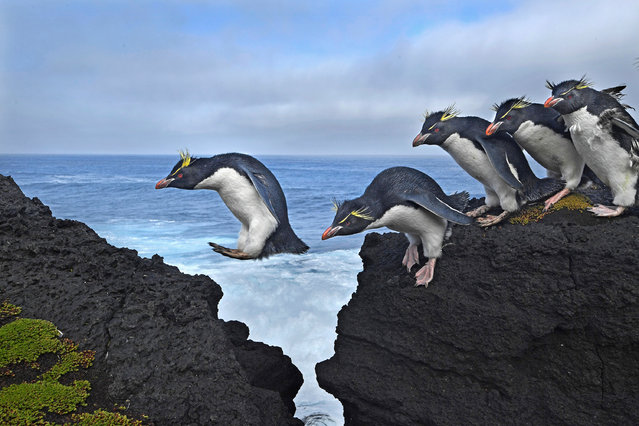
Rockhopper penguins live up to their name as they navigate the rugged coastline of Marion Island in the southern Indian Ocean. (Photo by Thomas P. Peschak)
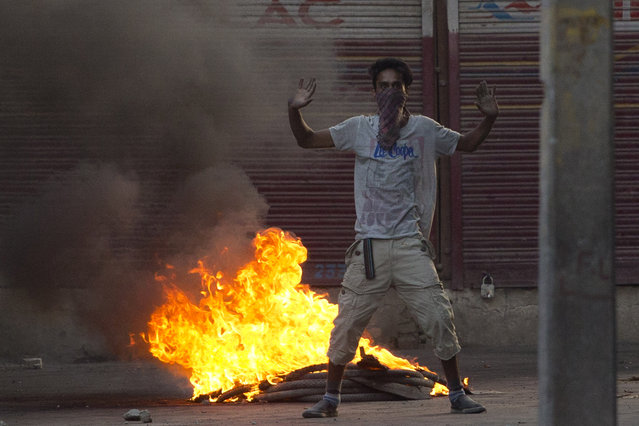
A masked Kashmiri protester shouts freedom slogan near burning tires set up as road blockade by protesters in Srinagar, Indian controlled Kashmir, Tuesday, July 19, 2016. The largest street protests in recent years in the disputed region, that left dozens of people dead and hundreds injured erupted more than a week ago after Indian troops killed a popular young rebel leader. (Photo by Dar Yasin/AP Photo)
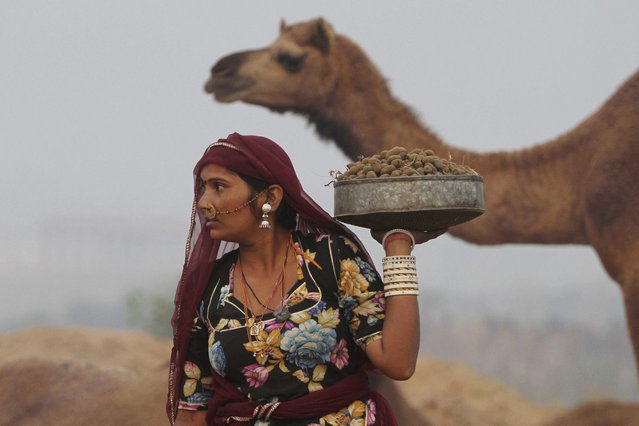
An Indian woman collects camel dung during the annual cattle fair in Pushkar, in the western Indian state of Rajasthan, Sunday, November 10, 2013. Pushkar, located on the banks of Pushkar Lake, is a popular Hindu pilgrimage spot that is also frequented by foreign tourists who come to the town for the annual cattle fair and camel races. (Photo by Ajit Solanki/AP Photo)
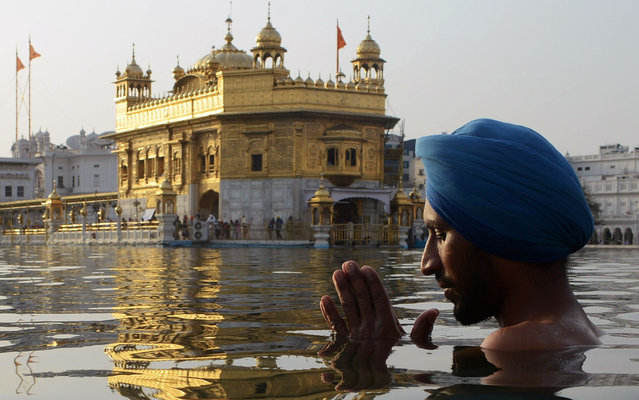
An Indian Sikh devotee takes a dip in the holy sarover (water tank) at the Golden Temple on the eve of “Ghallughara Diwas”, the 29th Anniversary of Operation Bluestar, in Amritsar on June 5, 2013. The 1984 assault on the Golden Temple complex by the Indian army was conducted in an attempt to arrest separatists Sikh leader Sant Jarnail Singh Bhindranwale and his militant followers who had initiated a movement for a separate Sikh state. (Photo by Narinder Nanu/AFP Photo)
In June, Mallory Gaudet picked up a little ginger kitten on the street and took him home. Mallory worried that the baby will not be able to get along with her two other pets – ferrets, and they will hurt him. But it turned out that the new member of the family, named Ned, could get used to this neighborhood very fast. Moreover – these three animals became really best friends. Now kitten and ferrets play, eat and sleep all together. But the most touching thing is when Ned “washes” the ferrets. Interspecific and intergeneric animals’ friendship – is a rare phenomenon. But ginger kitten and two of his fellows break all the stereotypes.
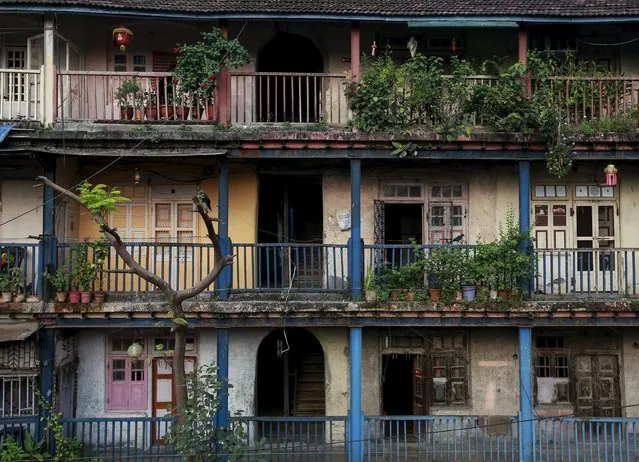
In Mumbai, the windows of new high-rise apartment blocks, old low-rise residential buildings and shantytown shacks portray the disparity in living conditions and incomes in the Indian city. Rents for a place to live range from more than $2,000 to less than $5 a month. Here: Windows and doors of an old residential building are pictured in central Mumbai October 10, 2014. The cost for buying a residential apartment in Mumbai close to the city centre ranges from 12,000 Indian rupees ($ 200) per square feet to 112,552 Indian rupees ($ 1800) per square feet. (Photo by Danish Siddiqui/Reuters)