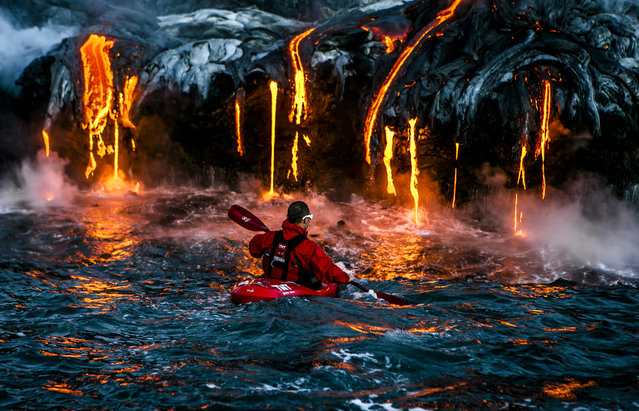
“Kilauea Rules”. The most extreme place we put ours kayakers to paddle till now. Photo location: Big Island, Hawaii. (Photo and caption by Alexandre Socci/National Geographic Photo Contest)
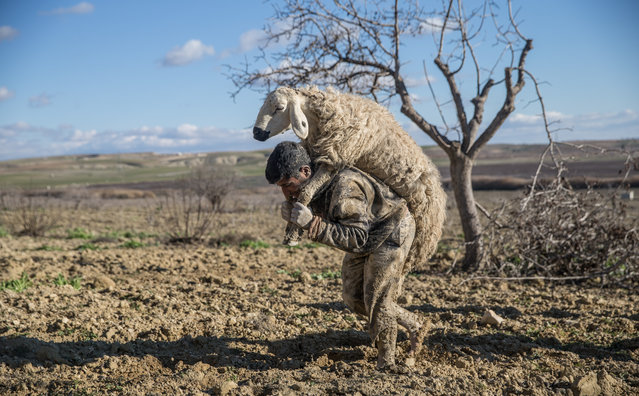
A man carries a sheep after it was rescued from mud in Sanliurfa, Turkey on January 9, 2019. Total of 67 sheep and a donkey rescued from mud by gendarmerie forces, firefighters and local people in Sanliurfa's Bozova district. (Photo by Halil Fidan/Anadolu Agency/Getty Images)
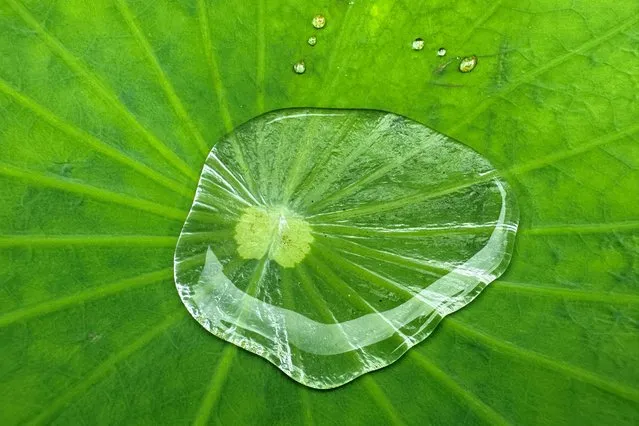
Water pools on top of a water lily leaf after rain at Benchakitti Forest Park in Bangkok, Thailand on September 27, 2023. (Photo by Jorge Silva/Reuters)
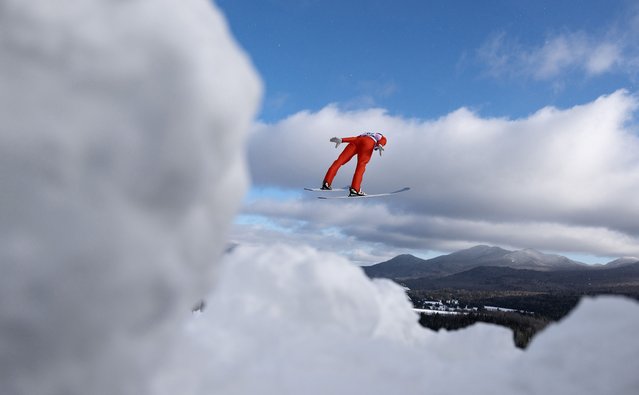
Yanick Wasser of Switzerland jumps in the Mens Large Hill Individual competition during Day 2 of the FIS Ski Jumping World Cup at Lake Placid Olympic Jumping Complex on February 08, 2025 in Lake Placid, New York. (Photo by Al Bello/Getty Images)
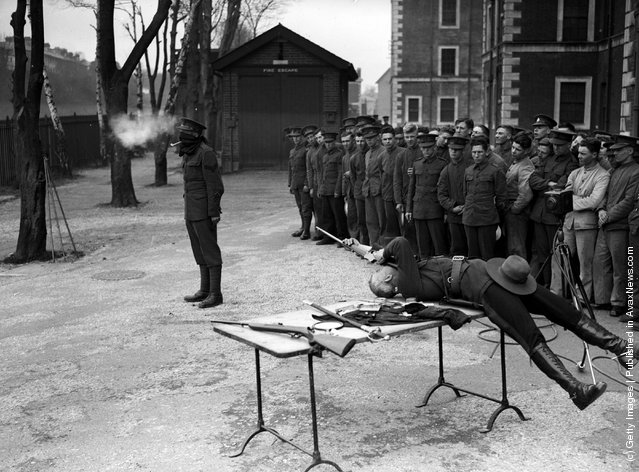
Captain George Ash lies on his back as he prepares to shoot the bowl from the clay pipe held between a blindfolded corporal's teeth. (Photo by Fox Photos/Getty Images). 18th April 1932
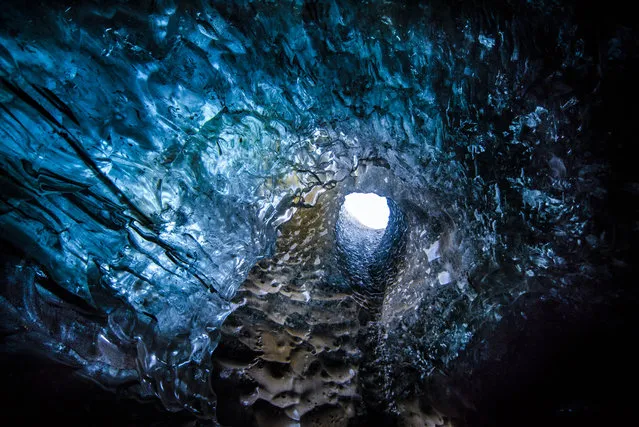
These frozen caves seem almost otherworldly as they daylight illuminates them. Matej Kriz’s shots reveal the beauty of the brilliant caves, but he’s also very aware of how deadly they can be. The photographer captured the amazing shots in the Vatnajokull National Park on the Breidamerkurjokull glacier tongue. Here: The ice caves, taken in the Vatnajokull National Park in Iceland, on November 11, 2017. (Photo by Matej Kriz/Caters News Agency)
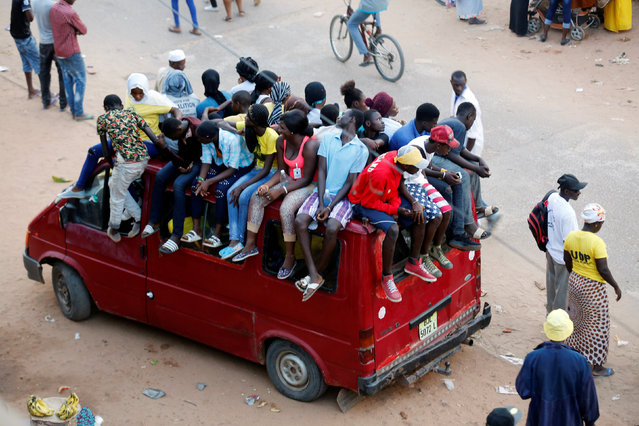
Supporters of the United Democratic Party (UDP) opposition alliance presidential candidate, Adama Barrow attend a campaign rally in Buffer zone, Gambia November 29, 2016. (Photo by Thierry Gouegnon/Reuters)
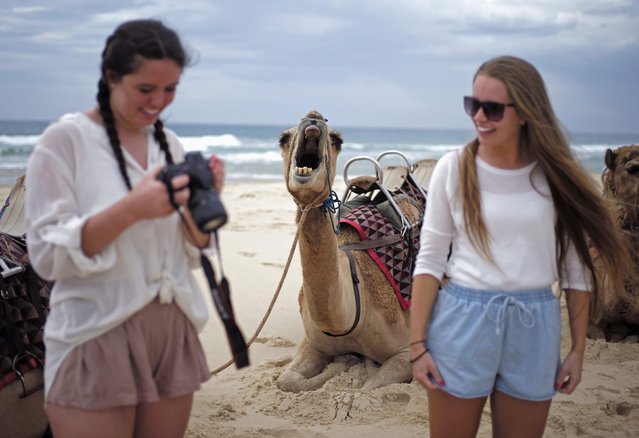
A camel yawns as a tourist checks images on her camera following a ride on a camel safari alongside the Pacific Ocean on Lighthouse Beach, north of Sydney, December 4, 2014. For 25 years camel rides on this beach have given visitors to Australia's holiday coast a rare experience available only in a handful of locations in the country. Australia's long history with the “ships of the desert” goes back to the 1800s when they were imported from Afghanistan and India for use as transportation across Australia's vast deserts before being released into the wild following their replacement by motorised transport. (Photo by Jason Reed/Reuters)