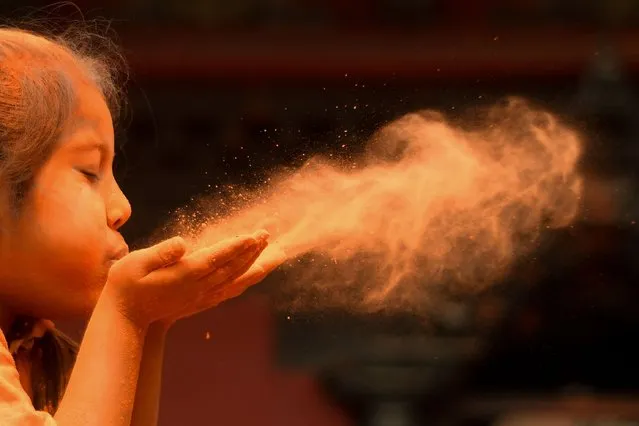
A reveller smeared in vermilion powder celebrates the Bisket Jatra Festival in Thimi in the Bhaktapur District on the outskirts of Kathmandu on April 15, 2023. (Photo by Prakash Mathema/AFP Photo)
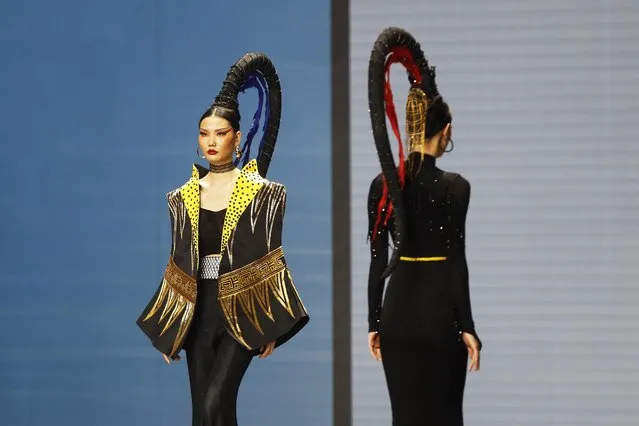
Models showcase collection by designer Zhang Kejia during the 2021 Kunming Fashion Week on December 15, 2021 in Kunming, Yunnan Province of China. (Photo by Li Jiaxian/China News Service via Getty Images)
Revellers hit the booze cruise in the Croatian port city of Split on August 11, 2023. The hot new party town for Brits. Boat Party booze cruise with Split after dark. (Photo by Darren Fletcher)
Moroccan athlete Soufiane El Bakkali participates in the men's 3000m steeplechase final at the Xiamen Diamond League in China on September 2, 2023. (Photo by Aly Song/Reuters)
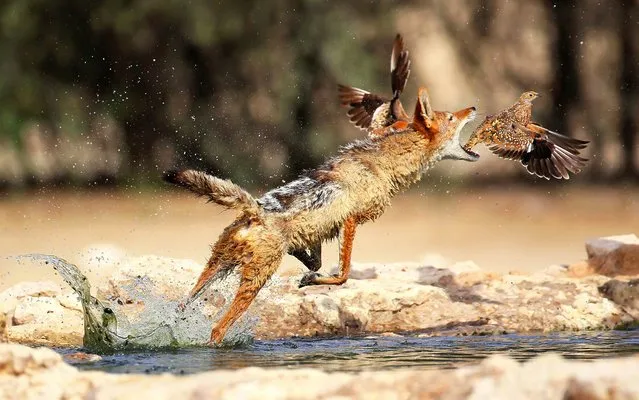
Against the scorching sun, a hungry jackal chases a flock of birds looking for a quick morning snack. Taken in South Africa's Kgalagadi Transfrontier National Park, these images capture the moment a lone hunter tries, and then succeeds, in his pursuit. (Photo by John Mullineux/Solent News)
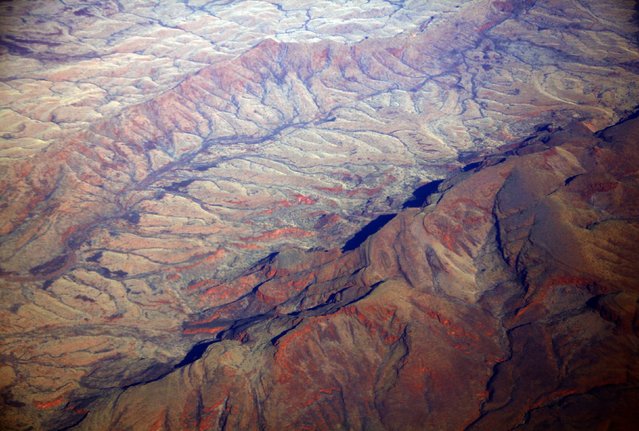
A general view of dried-up rivers in the Pilbara region of Western Australia December 2, 2013. Western Australia's Pilbara region, which is the size of Spain, has the world's largest known deposits of iron ore and supplies nearly 45 percent of global trade in the mineral. (Photo by David Gray/Reuters)
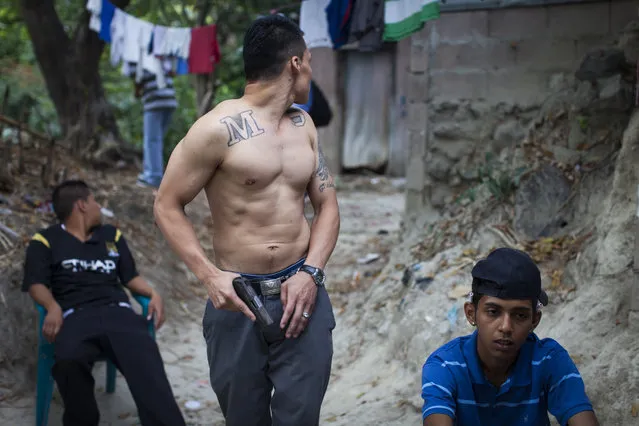
Mara Salvatrucha (MS) gang members show off their weapons in the Las Victorias district of San Salvador. In March 2012, the two largest gangs in El Salvador - the Mara Salvatrucha (MS) and the Barrio 18 (M18) - agreed on a truce following secret negotiations between gang leaders in prison which were mediated by a bishop and a former rebel leader. It is unclear whether the decision was the idea of the gangs themselves or whether they were encouraged by the government. (Photo by Adam Hinton)
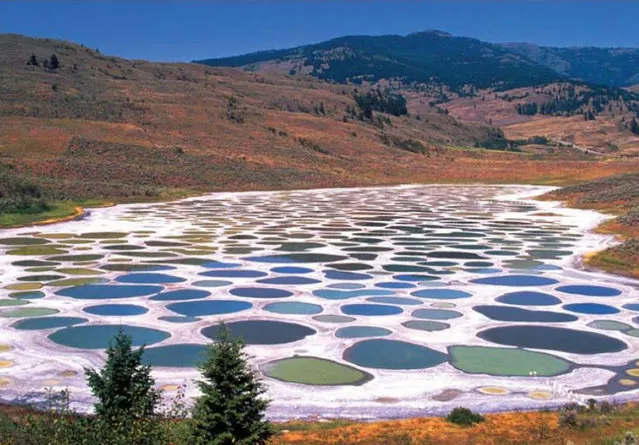
Originally known to the First Nations of the Okanagan Valley as Khiluk, which was- and remains today revered as a sacred site producing therapeutic waters. During World War I the minerals of Spotted Lake were used in manufacturing ammunition. Later the area came under the control of the Ernest Smith Family, for a term of about 40 years. In 1979 Smith attempted to create interest in a spa at the lake. The First Nations responded with an effort to buy the lake; in October 2001 they finally struck a deal. First Nations arranged the purchase of 22 hectares of land for a total of $720,000, and contributed about 20% of the cost. The Indian Affairs Department paid the remainder.