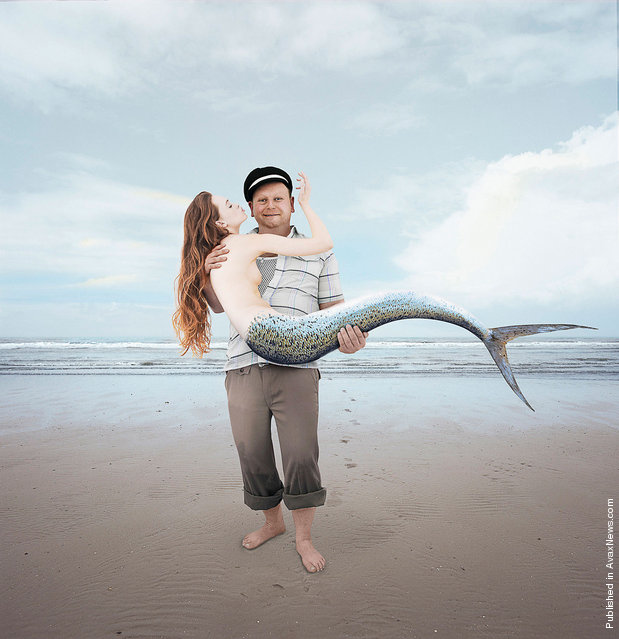
“Frank Uyttenhove is an exceptionally talented photographer and film director. He has an extensive career, which has seen many interesting projects and many awards”. – Tim Mitchell
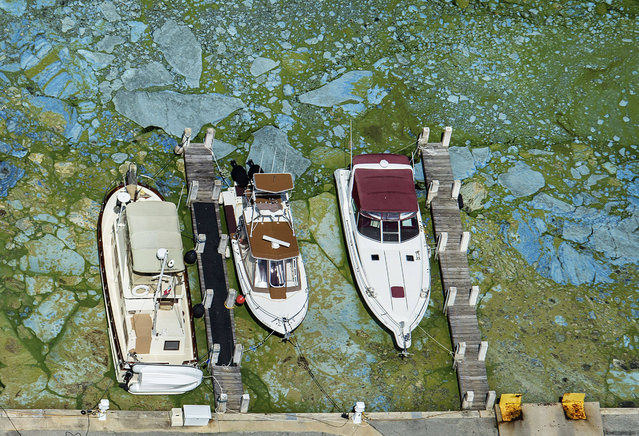
In this June 29, 2016 file photo, boats docked at Central Marine in Stuart, Fla., are surrounded by blue green algae. The 153-mile-long Indian River Lagoon has been plagued by harmful algae blooms. Water quality testing data analyzed by the AP showed the average phosphorous level – a byproduct of fertilizers and human waste that algae thrive on, rose nearly 75 percent between 2000 and 2016. (Photo by Greg Lovett/The Palm Beach Post via AP Photo)
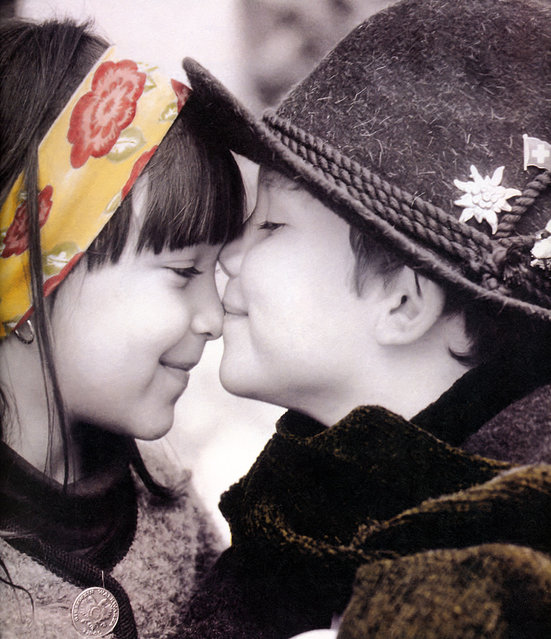
Kim Anderson photography career, now overseen from his home base in a Swiss mountainside village, began the way of many shutter bugs. His early photos focused on fashion and people, as well as photography for advertising agencies.
Solve Sundsbo is a Norwegian photographer who lives in London. His career began when four months into a course at the London College of Printing he became Nick Knight’s assistant.
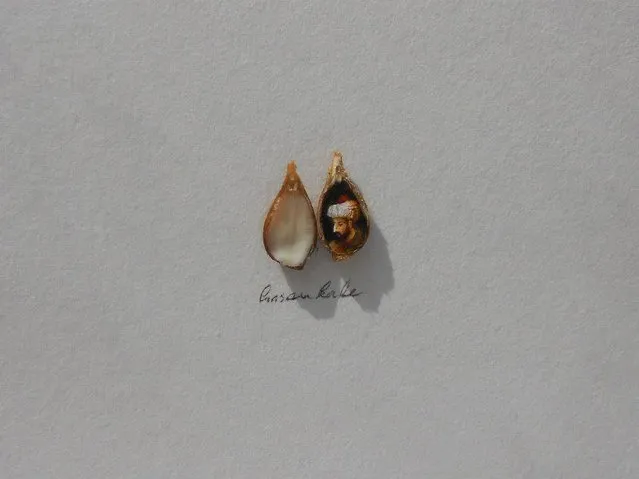
Born in 1959 in Bursa. He's interested in painting since his childhood, his career began by drawing a miniature of Istanbul, then he became involved in many art projects in other areas, as design. He produced many jewelry (special collections) to a famous company.
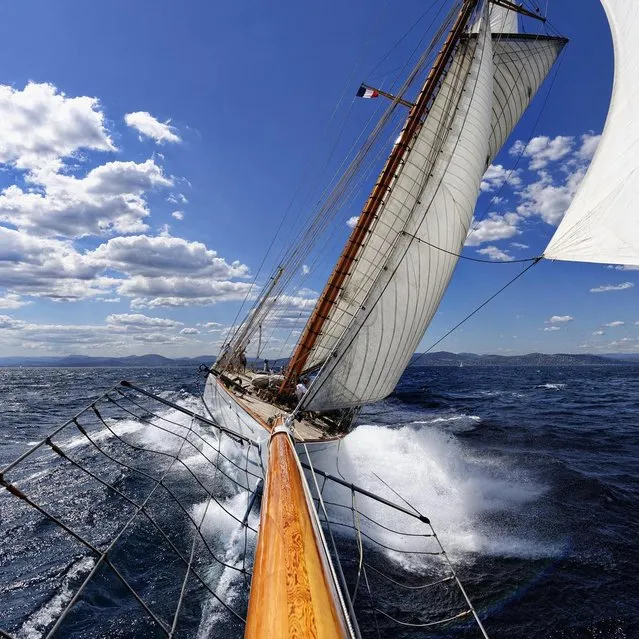
Kurt Arrigo is Malta’s most eminent and one of the world’s finest marine photographers. His illustrious and diverse career has seen him capture dramatic action at elite international sporting events.
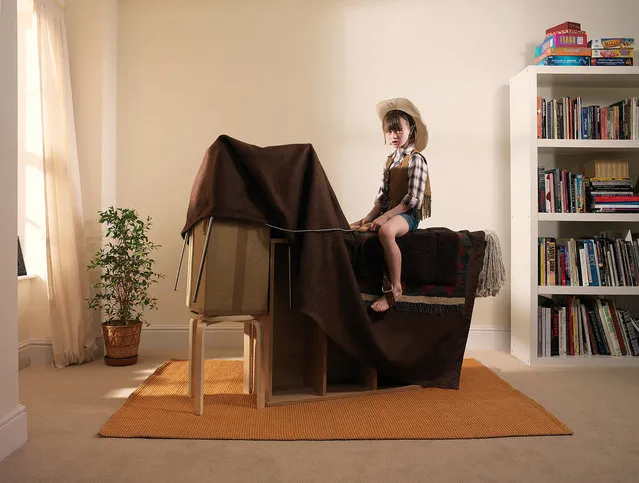
Tim Macpherson is a UK based advertising photographer who started his career shooting Editorial for magazines. His works are published in best advertising photographers book Lurzers. He works for The sunday times, Nikon, phillips etc. Photoset is short, but very creative.
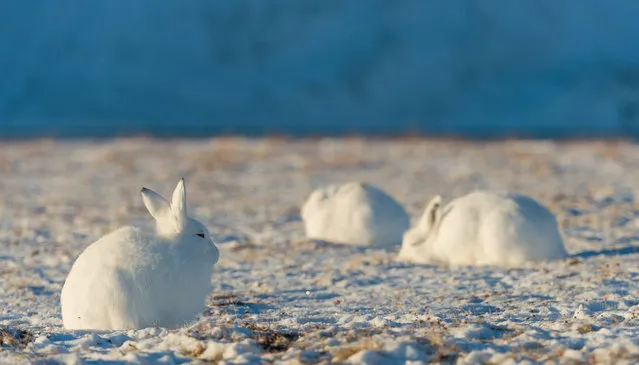
The arctic hare, or polar rabbit, is a species of hare which is adapted largely to polar and mountainous habitats. The arctic hare survives with a thick coat of fur and usually digs holes in the ground or under snow to keep warm and sleep. Arctic hares look like rabbits but have shorter ears, are taller when standing, and, unlike rabbits, can thrive in cold climates. They can travel together with many other hares, sometimes huddling with dozens or more, but are usually found alone, taking, in some cases, more than one partner. The arctic hare can run up to 60 kilometres per hour (40 mph). Its predators include the arctic wolf, arctic fox, and ermine.