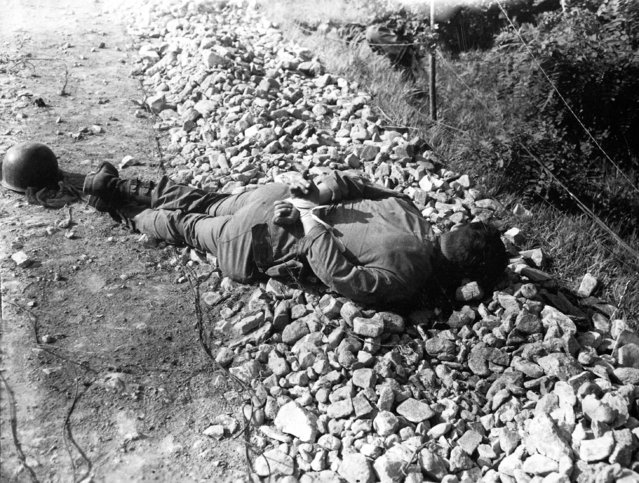
The body of one of several U.S. soldiers who were executed after being captured by North Korean troops just south of Seoul in early July 1950. (Photo by AP Photo)
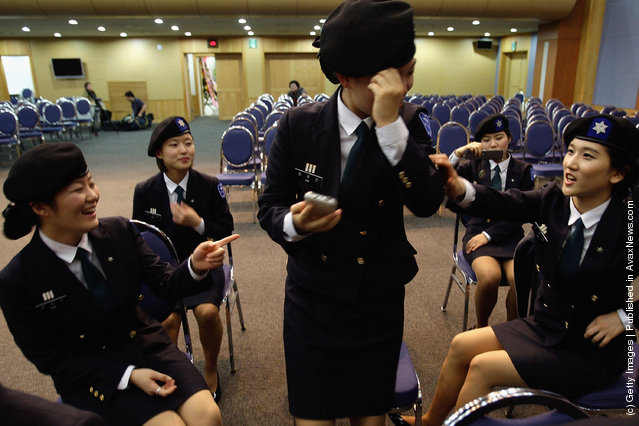
South Korean university students prepare for an establishment ceremony of the Reserve Officer Training Corps (ROTC) for female cadets at Sookmyung Women's University on December 10, 2010 in Seoul, South Korea. The South Korean defense ministry has agreed to admit women into it's college-based Reserve Officers' Training Program for the first time since the program began in 1963. (Photo by Chung Sung-Jun/Getty Images)
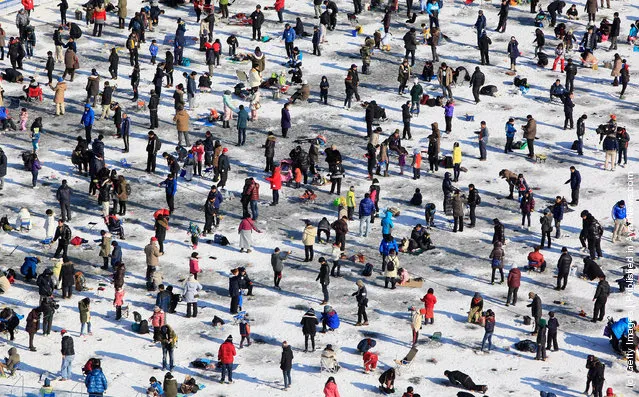
Anglers cast lines through holes into a frozen river during an ice fishing competition at the Hwacheon Sancheoneo Ice Festival on January 7, 2012 in Hwacheon-gun, South Korea. (Photo by Chung Sung-Jun/Getty Images)
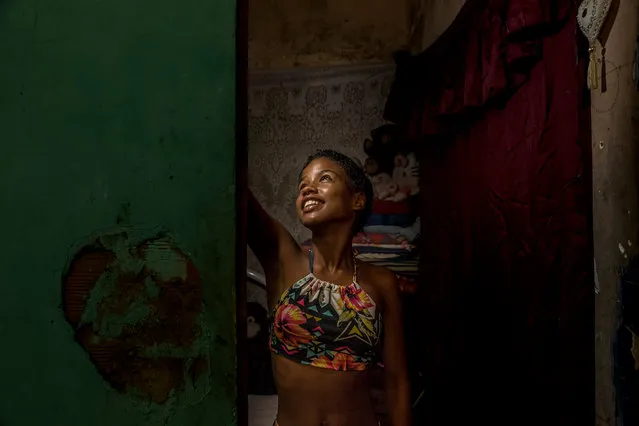
Planned improvements to Rio’s favelas have meant increases in rent, forcing the poorest families into squatting in unoccupied buildings. Photographer Tariq Zaidi visits the Mangueira community favela, less than 1km from the showpiece Maracanã stadium, to see what life is like for the women living there. Here: Victoria, 12, at her home in Mangueira. (Photo by Tariq Zaidi/The Guardian)
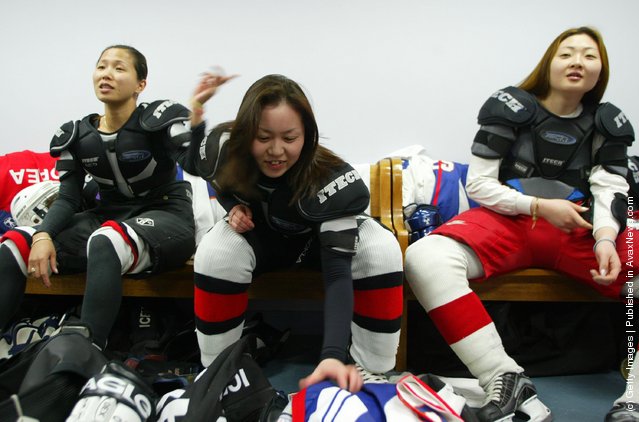
Hwang Bo-young (L), a North Korean defector who was a member of the North Korean National female ice hockey team, prepares for practice with South Korean teammates on March 13, 2006 in Seoul, South Korea. Young, 27-years-old, became a captain of the South Korean National Female Ice Hockey Team. (Photo by Chung Sung-Jun/Getty Images)
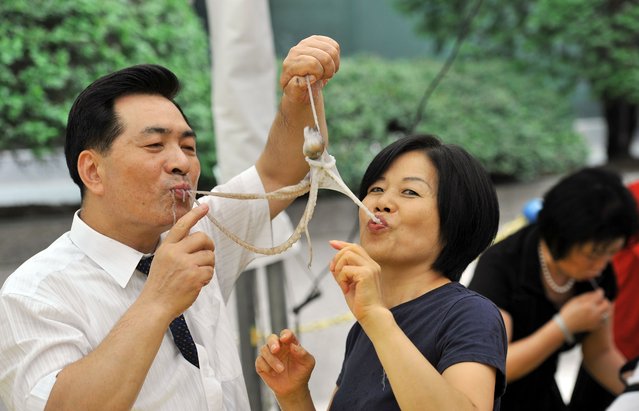
Live octopus is a delicacy in South Korea but is a known choking hazard, since the still-moving suction cups can cause tentacle pieces to stick in a person's throat. A baby octopus is often consumed whole, while larger varieties are cut up and the still-wriggling tentacles eaten with a splash of sesame oil. Photo: A South Korean man and a woman eat a live octopus during an event to promote a local food festival in Seoul on September 12, 2013. (Photo by Jung Yeon-Je/AFP Photo)