Loading...
Done
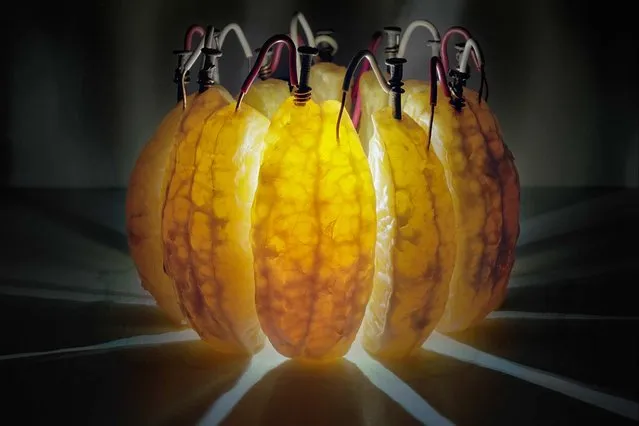
Wedges of an orange generate enough current and electrical juice – 3.5 volts – to power an LED. The fruit’s citric acid helps electrons flow from galvanized nails to copper wire in this 14-hour exposure. This image was published in September’s Visions of Earth, a trio of photos that appear in each issue of National Geographic. (Photo by Caleb Charland/National Geographic)

Wedges of an orange generate enough current and electrical juice – 3.5 volts – to power an LED. The fruit’s citric acid helps electrons flow from galvanized nails to copper wire in this 14-hour exposure. This image was published in September’s Visions of Earth, a trio of photos that appear in each issue of National Geographic. (Photo by Caleb Charland/National Geographic)
Details
06 Jan 2014 12:09:00
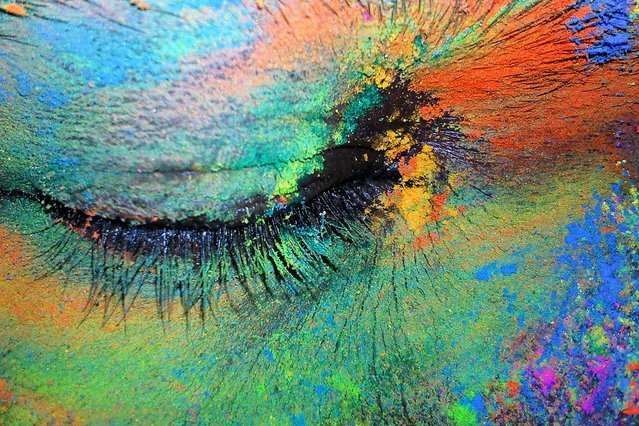
This close-up image – of a Holi Festival celebrant in Vrindivan, India, coated in neon-colored powder – was submitted to National Geographic’s Your Shot in the last week of March. On April 1 we published it on our Daily News site, along with seven other bright scenes captured during the Hindu spring Festival of Colors. (Photo by Tinto Alencherry/National Geographic)

This close-up image – of a Holi Festival celebrant in Vrindivan, India, coated in neon-colored powder – was submitted to National Geographic’s Your Shot in the last week of March. On April 1 we published it on our Daily News site, along with seven other bright scenes captured during the Hindu spring Festival of Colors. (Photo by Tinto Alencherry/National Geographic)
Details
06 Jan 2014 12:30:00
Michael Kefalianos of Australia prepares backstage prior to the pre judging for the 2012 IFBB Australian Pro Grand Prix XII at The Plenary

Michael Kefalianos of Australia prepares backstage prior to the pre judging for the 2012 IFBB Australian Pro Grand Prix XII at The Plenary on March 17, 2012 in Melbourne, Australia. (Photo by Robert Cianflone/Getty Images)
Details
18 Mar 2012 09:20:00
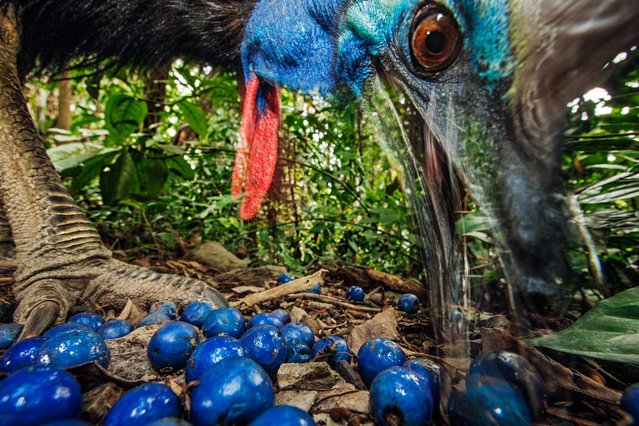
“Cassowaries are large, flightless birds related to emus and (more distantly) to ostriches, rheas, and kiwis”, writes Olivia Judson in the September issue of National Geographic magazine. (Photo by Christian Ziegler/National Geographic)

“Cassowaries are large, flightless birds related to emus and (more distantly) to ostriches, rheas, and kiwis”, writes Olivia Judson in the September issue of National Geographic magazine. How large? People-size: Adult males stand well over five foot five and top 110 pounds. Females are even taller, and can weigh more than 160 pounds. Dangerous when roused, they’re shy and peaceable when left alone. But even birds this big and tough are prey to habitat loss. The dense New Guinea and Australia rain forests where they live have dwindled. Today cassowaries might number 1,500 to 2,000. And because they help shape those same forests – by moving seeds from one place to another – “if they vanish”, Judson writes, “the structure of the forest would gradually change” too. (Photo by Christian Ziegler/National Geographic)
Details
06 Jan 2014 12:21:00
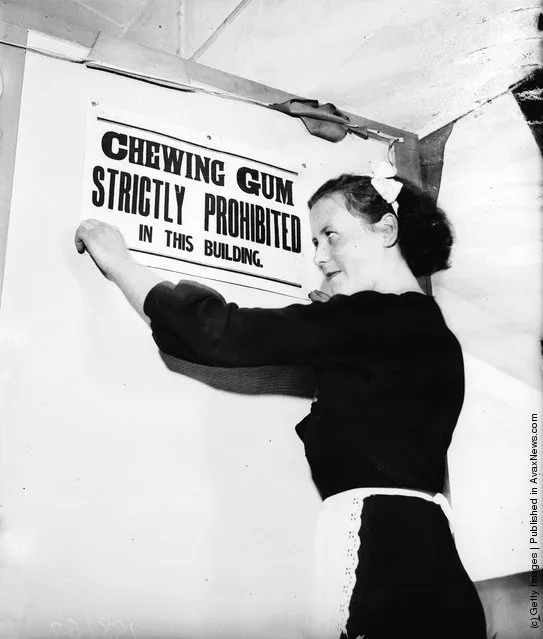
1936: A Penarth dance hall has banned chewing gum on the premises because dancers have complained that their feet keep sticking to the floor

A Penarth dance hall has banned chewing gum on the premises because dancers have complained that their feet keep sticking to the floor. (Photo by Richards/Fox Photos/Getty Images). 16th July 1936
Details
30 Sep 2011 11:15:00
Mr Olympia Phil Heath poses during a media call ahead of the 2012 IFBB Australian Pro Grand Prix XIII

Mr. Olympia Phil Heath poses during a media call ahead of the 2012 IFBB Australian Pro Grand Prix XIII on March 16, 2012 in Melbourne, Australia. (Photo by Robert Cianflone/Getty Images)
Details
16 Mar 2012 10:42:00
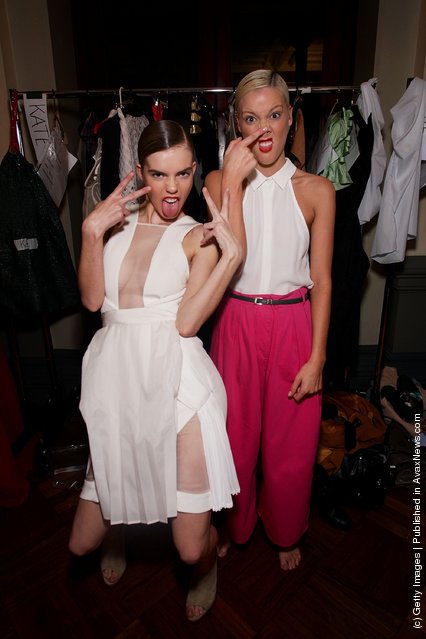
Models pose backstage ahead of the Review of Australian Fashion Week

Models pose backstage ahead of the Review of Australian Fashion Week show as part of Mercedes Benz Fashion Festival Sydney 2011 at Sydney Town Hall on August 24, 2011 in Sydney, Australia. (Photo by Lisa Maree Williams/Getty Images)
Details
26 Aug 2011 09:31:00
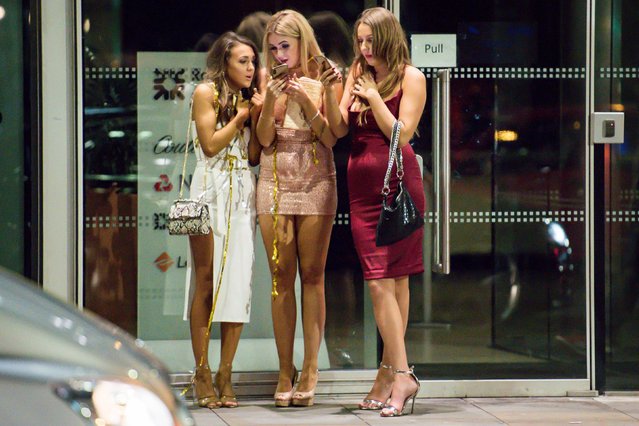
Revellers enjoy during New Year celebrations in Manchester, England on January 1, 2019. (Photo by Mercury Press)

Revellers enjoy during New Year celebrations in Manchester, England on January 1, 2019. (Photo by Mercury Press)
Details
02 Jan 2019 00:03:00