Loading...
Done


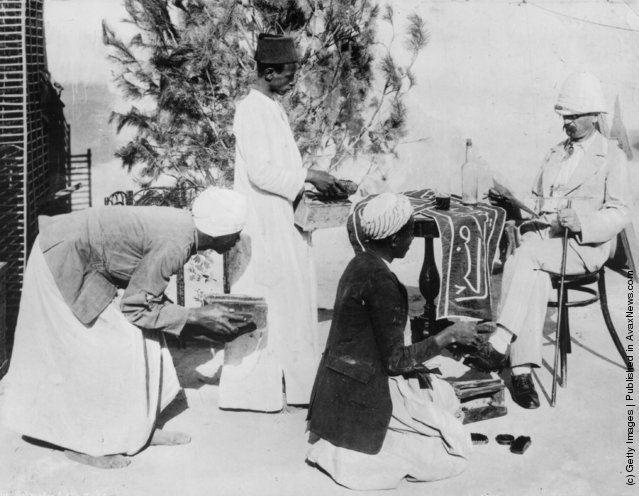
Egyptian bootblacks cleaning a European's shoes in Cairo. (Photo by Hulton Archive/Getty Images). Circa 1870
Details
24 Mar 2011 15:55:00
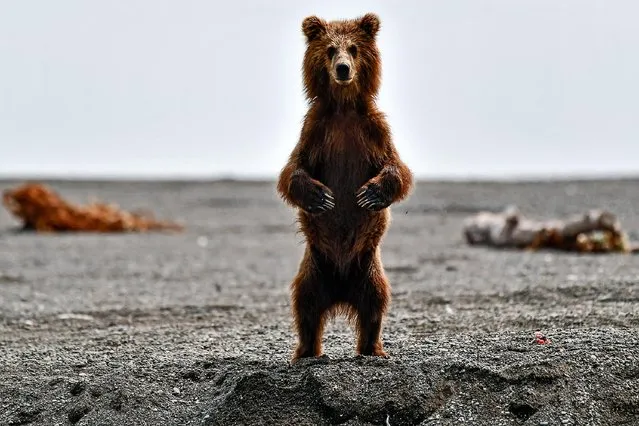
A brown bear cub by the Khailyulya River in north-east Kamchatka, Russia on July 24, 2021. (Photo by Yuri Smityuk/TASS)

A brown bear cub by the Khailyulya River in north-east Kamchatka, Russia on July 24, 2021. (Photo by Yuri Smityuk/TASS)
Details
08 Aug 2021 05:17:00
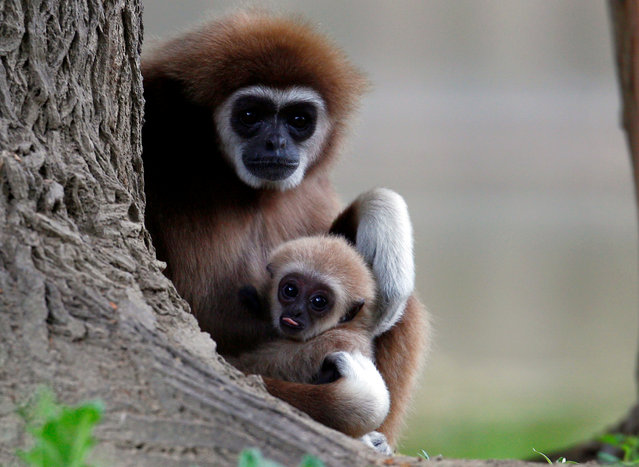
A first white-handed gibbon infant born at the Skopje Zoo is seen with his mother in Skopje, North Macedonia on May 9, 2019. (Photo by Ognen Teofilovski/Reuters)

A first white-handed gibbon infant born at the Skopje Zoo is seen with his mother in Skopje, North Macedonia on May 9, 2019. (Photo by Ognen Teofilovski/Reuters)
Details
12 May 2019 00:03:00
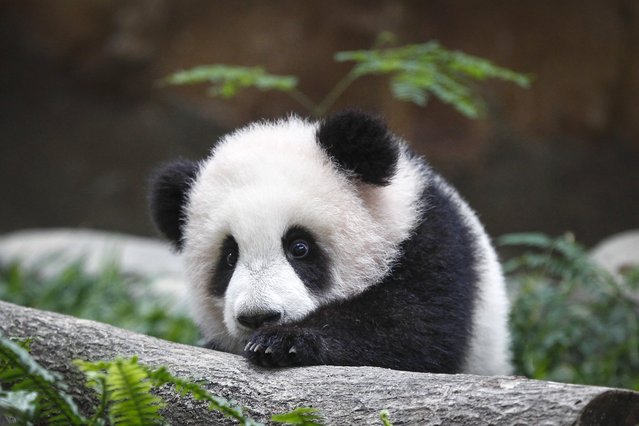
A 6-month old female giant panda cub, an offspring of Xing Xing, formerly known as Fu Wa and Liang Liang, formerly known as Feng Yi, plays at the Giant Panda Conservation Center at the National Zoo in Kuala Lumpur, Malaysia, Thursday, February 18, 2016. (Photo by Joshua Paul/AP Photo)

A 6-month old female giant panda cub, an offspring of Xing Xing, formerly known as Fu Wa and Liang Liang, formerly known as Feng Yi, plays at the Giant Panda Conservation Center at the National Zoo in Kuala Lumpur, Malaysia, Thursday, February 18, 2016. (Photo by Joshua Paul/AP Photo)
Details
21 Feb 2016 11:20:00
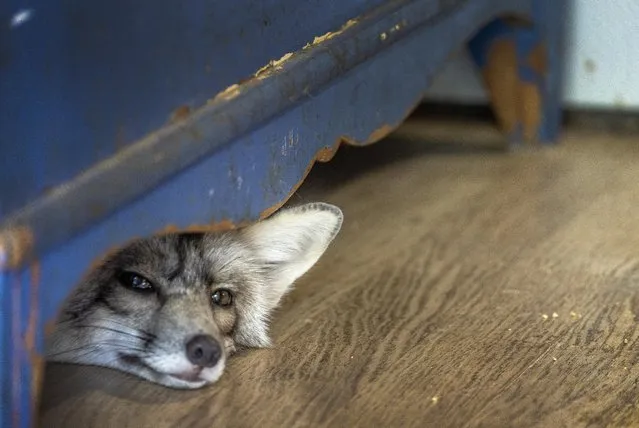
A rescued red fox rests under a closet at “Pawsitive Beginnings” fox rescue sanctuary in Key Largo, Florida, USA on August 1, 2023. Pawsitive Beginnings is a nonprofit group that works closely with organizations in parts of the USA where fur farming takes place to find permanent placement for foxes when needed. According to Pawsitive Beginnings, about 300 fur farms operate in the United States and there are very few federal laws to regulate the treatment of these animals born in captivity, raised for one year, and then killed for their coats. (Photo by Cristobal Herrera-Ulashkevich/EPA/EFE)

A rescued red fox rests under a closet at “Pawsitive Beginnings” fox rescue sanctuary in Key Largo, Florida, USA on August 1, 2023. Pawsitive Beginnings is a nonprofit group that works closely with organizations in parts of the USA where fur farming takes place to find permanent placement for foxes when needed. According to Pawsitive Beginnings, about 300 fur farms operate in the United States and there are very few federal laws to regulate the treatment of these animals born in captivity, raised for one year, and then killed for their coats. (Photo by Cristobal Herrera-Ulashkevich/EPA/EFE)
Details
13 Aug 2023 05:02:00
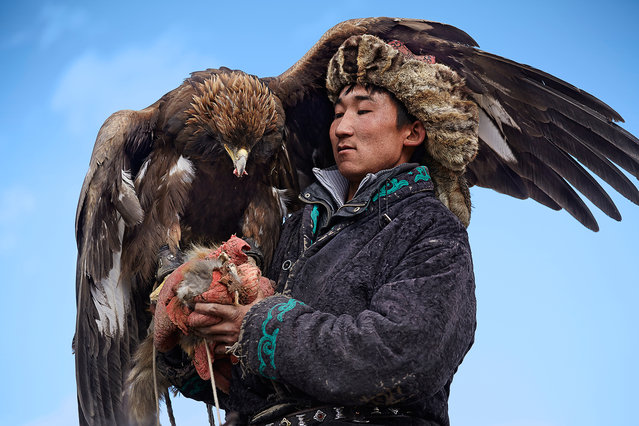
In one of the planet’s most desolate and harsh terrains, the Altai Mountains which run from Siberia in Russia down to Mongolia’s Gobi Desert, hunting with eagles is currently only practiced by a handful of Kyrgyz and Kazakhs. This form of falconry, the practice of hunting with the aid of birds of prey, can be traced back as far as 4,000 years in Central Asia. (Photo by Tariq Zaidi/The Washington Post)

In one of the planet’s most desolate and harsh terrains, the Altai Mountains which run from Siberia in Russia down to Mongolia’s Gobi Desert, hunting with eagles is currently only practiced by a handful of Kyrgyz and Kazakhs. This form of falconry, the practice of hunting with the aid of birds of prey, can be traced back as far as 4,000 years in Central Asia. Here: after a successful hunt, a proud hunter rewards his eagle by feeding it the lungs of the prey, which is considered the most highly prized part of the animal. (Photo by Tariq Zaidi/The Washington Post)
Details
22 Aug 2015 12:46:00
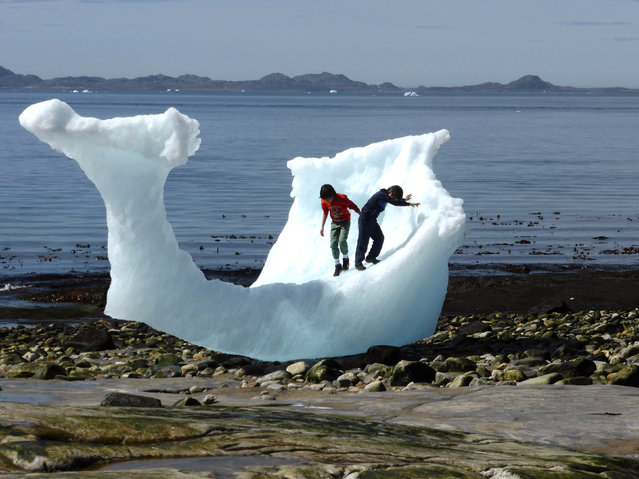
Children play amid icebergs on the beach in Nuuk, Greenland, June 5, 2016. (Photo by Alister Doyle/Reuters)

Children play amid icebergs on the beach in Nuuk, Greenland, June 5, 2016. (Photo by Alister Doyle/Reuters)
Details
16 Jun 2016 12:43:00
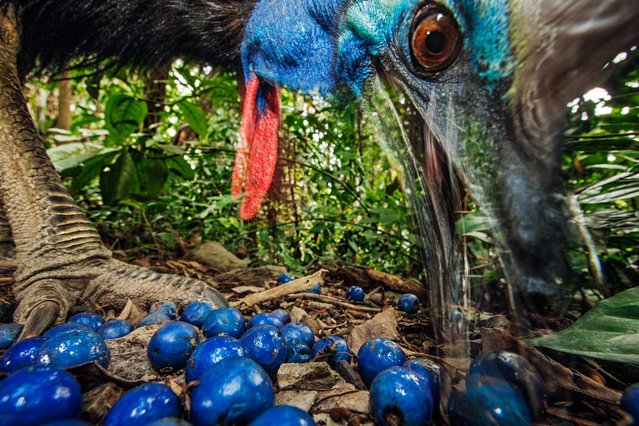
“Cassowaries are large, flightless birds related to emus and (more distantly) to ostriches, rheas, and kiwis”, writes Olivia Judson in the September issue of National Geographic magazine. (Photo by Christian Ziegler/National Geographic)

“Cassowaries are large, flightless birds related to emus and (more distantly) to ostriches, rheas, and kiwis”, writes Olivia Judson in the September issue of National Geographic magazine. How large? People-size: Adult males stand well over five foot five and top 110 pounds. Females are even taller, and can weigh more than 160 pounds. Dangerous when roused, they’re shy and peaceable when left alone. But even birds this big and tough are prey to habitat loss. The dense New Guinea and Australia rain forests where they live have dwindled. Today cassowaries might number 1,500 to 2,000. And because they help shape those same forests – by moving seeds from one place to another – “if they vanish”, Judson writes, “the structure of the forest would gradually change” too. (Photo by Christian Ziegler/National Geographic)
Details
06 Jan 2014 12:21:00