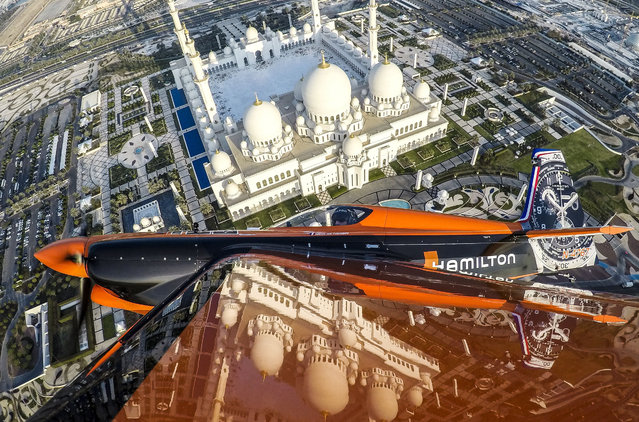
A participant prepares for the Red Bull Air Race World Championships in Abu Dhabi, United Arab Emirates on February 6, 2017. (Photo by Red Bull Content Pool/SIPA Press/Rex Features/Shutterstock)
Bikers push their motorbikes during a traffic block as they take part in the “Enduropale” motorcycle endurance race on the beach of Le Touquet, northern France, February 1, 2015. About 1100 motorbike and 600 quad bike riders descend on Le Touquet every year for the racing endurance event. (Photo by Pascal Rossignol/Reuters)
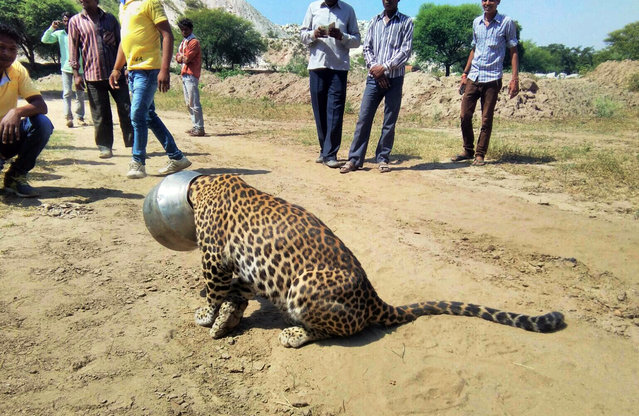
People stand around a leopard with its head stuck in a vessel in Rajsamand district of Rajasthan state, India, Wednesday, September 30, 2015. The leopard's head got stuck when it attempted to drink water from the pot, according to news reports. Forest officials tranquilized the animal and sawed off the vessel later in the day. (Photo by Kabir Jethi/AP Photo)
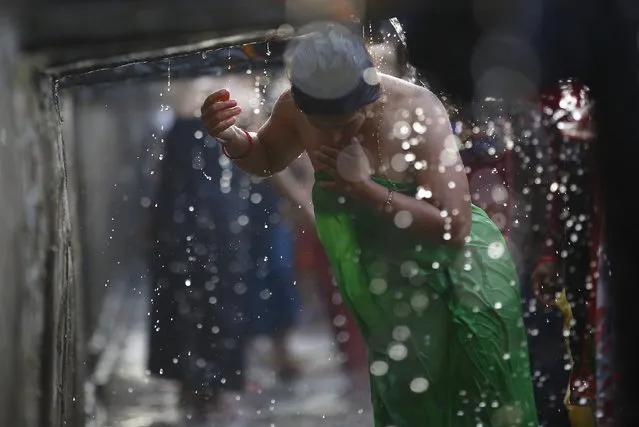
A devotee takes a holy bath at the Balaju Baise Dhara (22 water spouts) during the Baishak Asnan festival in Kathmandu April 4, 2015. Devotees believe that the water from these stone spouts, which is collected from the catchment area of the Nagarjun forest behind the spouts, will cure pains and skin diseases. (Photo by Navesh Chitrakar/Reuters)
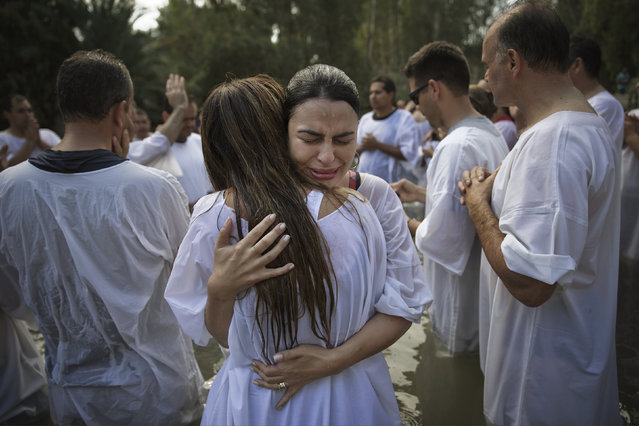
Christian pilgrims from Brazil embrace after they are baptized in the water of the Jordan River during a ceremony at the Yardenit baptismal site near the northern Israeli city of Tiberias October 15, 2014. (Photo by Finbarr O'Reilly/Reuters)
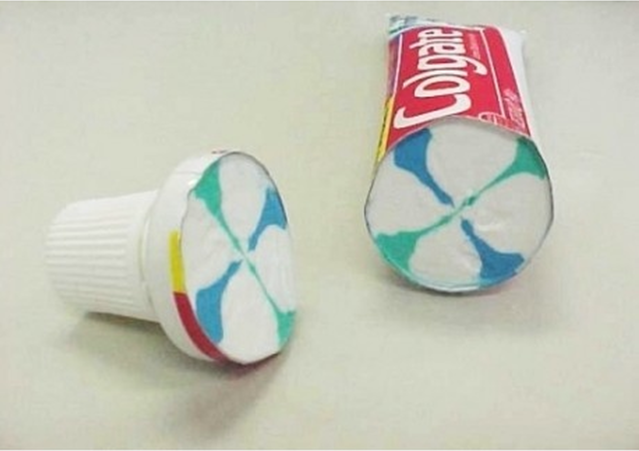
HalfPics is a Twitter feed pointing to things cut in half like a bowl of ramen, a Mini Cooper, and toothpaste. Their tagline: “Ever wonder what stuff looks like when it’s cut in half?” Yes. We previously posted about “Cut Food,” a photo series of foods cut neatly in half by food photographer Beth Galton and food stylist Charlotte Omnès.
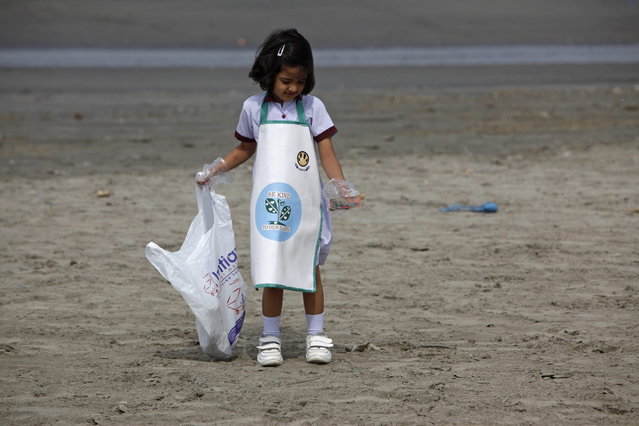
A schoolgirl collects rubbish from Karachi's Clifton beach early morning April 22, 2013, during a cleaning campaign as part of the commemoration of Earth Day. (Photo by Akhtar Soomro/Reuters)
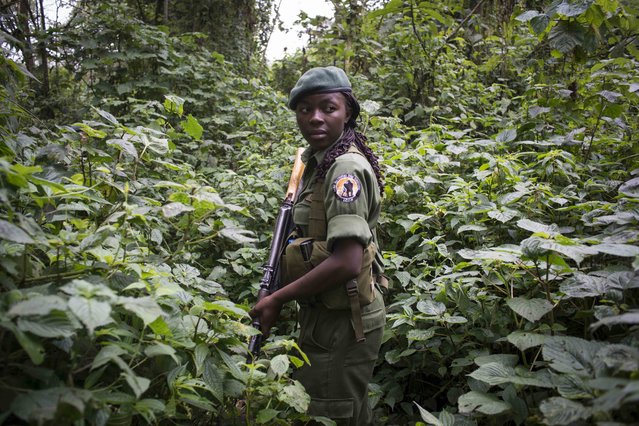
Aline, along with other rangers and park staff visit the gorilla's in the parks Mikeno sector, where the majority of the gorilla families live in Virunga National Park. Therefore there has been a surge of poaching and violence in the area. For the first time, women have taken up the most dangerous job in wildlife, becoming para-military rangers at the Virunga National Park in DR Congo. (Photo by Monique Jaques)