Loading...
Done
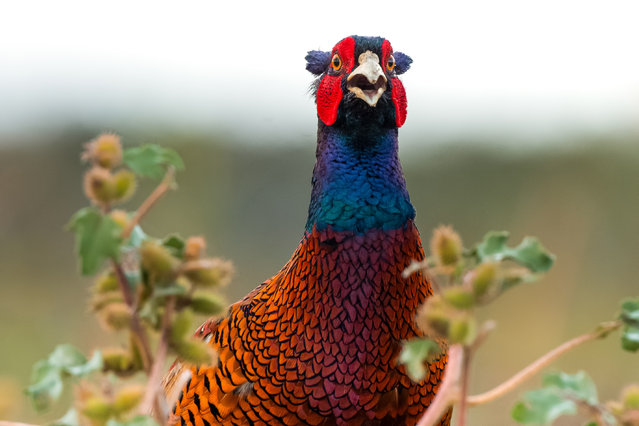
A pheasant is seen among grasses in Bursa, Turkiye on October 07, 2024. Pheasants mostly live in forested areas, thickets and wetlands. Unlike females, male pheasants have a much more remarkable structure with their long tails and feathers in bright and variable colors. Also, they feed on fruits, grains, seeds and invertebrates. (Photo by Alper Tuydes/Anadolu via Getty Images)

A pheasant is seen among grasses in Bursa, Turkiye on October 07, 2024. Pheasants mostly live in forested areas, thickets and wetlands. Unlike females, male pheasants have a much more remarkable structure with their long tails and feathers in bright and variable colors. Also, they feed on fruits, grains, seeds and invertebrates. (Photo by Alper Tuydes/Anadolu via Getty Images)
Details
27 Oct 2024 04:43:00
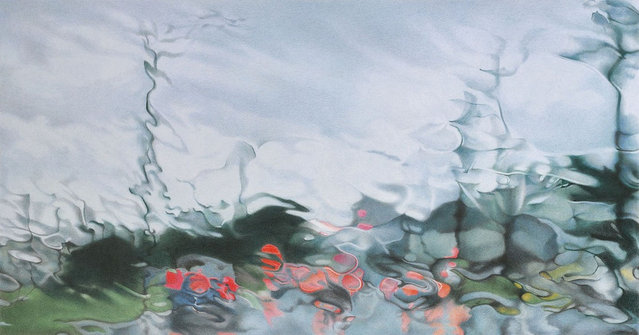
Hyperrealistic Drawings By Elizabeth Patterson

Fascinated by the texture and color of water artist Elizabeth Patterson challenged herself to recreate the absurdly complex formation of water droplets on rain-streaked windshields. Her ongoing series titled Rainscapes blends drawing, hyperrealism, and traditional landscape techniques resulting in images that can be seen as both real and abstract.
Details
17 Sep 2014 10:29:00
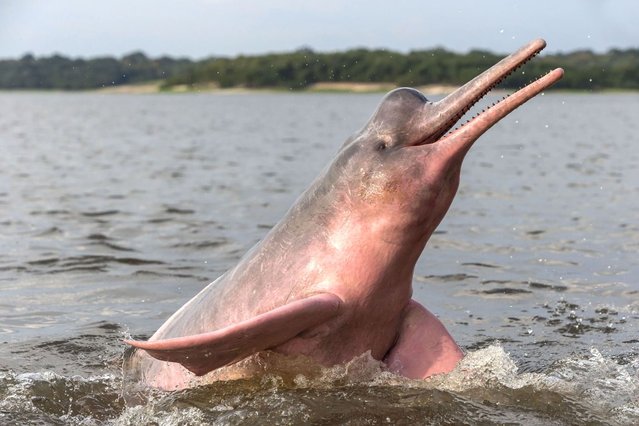
A pink dolphin shows off for the camera in Brazil. (Photo by Michel Watson)

Tourist Michel Watson found this pink dolphin making a splash in Brazil. The unusual creature, which hides deep in the Rio Negro river, was spotted leaping out of the Amazonian water brandishing its bizarre bright bubblegum color. Weighing in at nearly 300 pounds, the curious animal, known as an Amazon Pink River Dolphin, looked unusually agile as it rose above the waves. (Photo by Michel Watson)
Details
26 Jun 2013 05:10:00
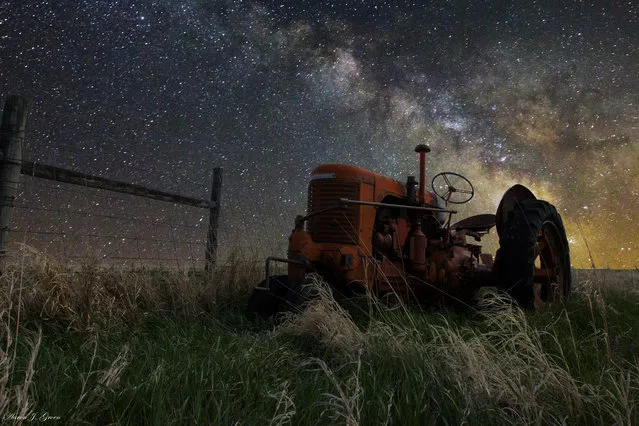
Dark Places By Aaron Groen

Looking at the photos taken by Aaron Groenom, very easy to get lost in this starry wonderland. A series of photos Dark Places - a collection of works in which the artist from South Dakota contrasts the beauty of the universe to various natural or man-made forms on Earth. Using long exposures, it captures the magical landscape filled with fabulous atmosphere, striking color palettes and far-distant galaxies.
Details
06 Jul 2013 17:56:00
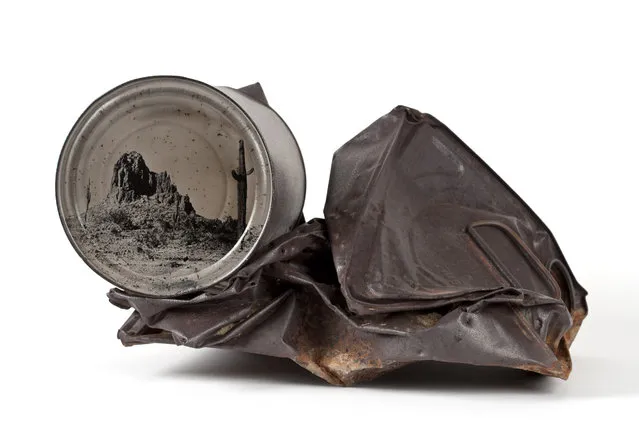
Conversations with History by Photographer David Emitt Adams

Photographer David Emitt Adams creates tintypes on discarded cans he collects from the Sonoran Desert. In his artist statement, Adams says that some are more than four decades old, which have earned a deep reddish-brown, rusty coloration. (Photo by David Emitt Adams)
Details
19 Mar 2014 05:24:00
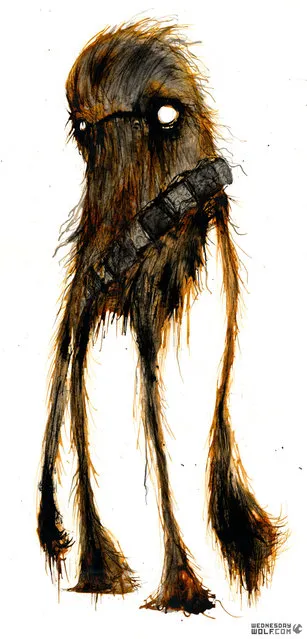
Freaky Artistic Versions Of Famous Characters

Freaky Famous Characters by famous water color artist Wednesday Wolf for viewing and printing purpose.
There are freaky versions of Mario and Luigi from the Mario Bothers with Yoshi and piraña, and the most appreciated ones are of course Star Wars folks, Yoda, Chewie and Darth. Take a look at these amazing illustrations and enjoy.
Details
11 Sep 2012 08:29:00
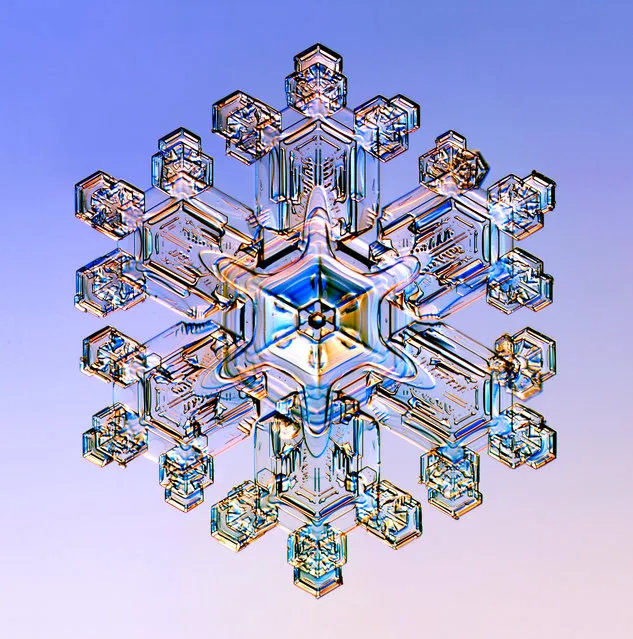
Nikon Small World Photomicrography Competition 2012. Honorable Mention. “Snow crystal, illuminated with colored lights (5x)”. (Photo by Dr. Kenneth Libbrecht, California Institute of Technology (Caltech), Department of Physics, Pasadena, California, USA)

Most people know Nikon as a purveyor of pro and consumer-grade digital cameras. But the company's expertise with optics bleeds over into related markets – it's one of the science community's major suppliers of microscopes. And each year the company asks the community to send it some of their favorite images of tiny objects. A panel of scientists and journalists have chosen the best of this past year's submissions, which Nikon has placed on its Small World site.

Photo: Honorable Mention. “Snow crystal, illuminated with colored lights (5x)”. (Photo by Dr. Kenneth Libbrecht, California Institute of Technology (Caltech), Department of Physics, Pasadena, California, USA)
Details
25 Oct 2012 13:49:00
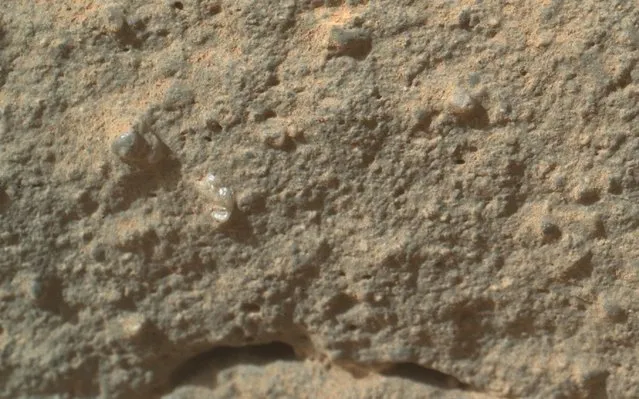
Scientists say that a “Martian flower”, seen here in an image from the Curiosity rover's Mars Hand Lens Imager, is a 2-millimeter-wide grain or pebble that's embedded in the surrounding rock. Another, darker-colored mineral grain can be seen above and to the left. (Photo by NASA)

“The scientists behind NASA's $2.5 billion Curiosity rover mission on Mars on Tuesday explained the nature of a tiny, gleaming "flower" embedded in Red Planet rock, and revealed where they'll be using the SUV-sized robot's drill for the first time”. – Alan Boyle via NBCNews.com

Photo: Scientists say that a “Martian flower”, seen here in an image from the Curiosity rover's Mars Hand Lens Imager, is a 2-millimeter-wide grain or pebble that's embedded in the surrounding rock. Another, darker-colored mineral grain can be seen above and to the left. (Photo by NASA)
Details
16 Jan 2013 11:12:00