Loading...
Done
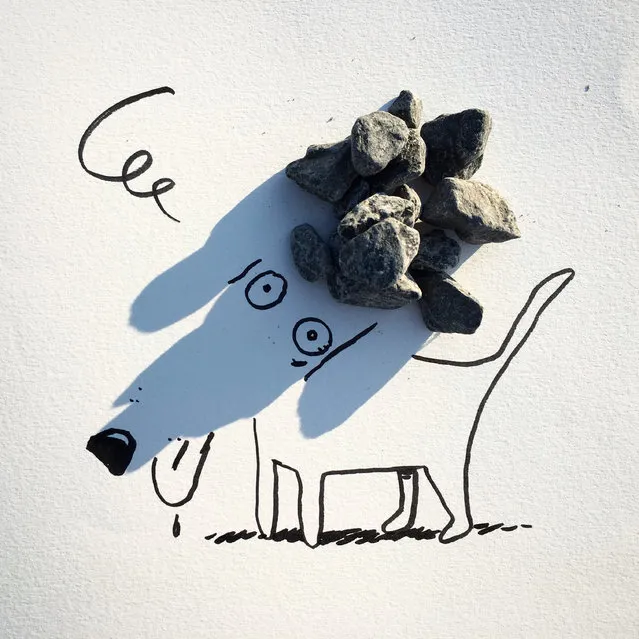
“Stonedog”. (Photo by Vincent Bal/The Guardian)

Earlier this year, Belgian film-maker and artist Vincent Bal stumbled upon an uncanny resemblance to an elephant in the shadow of his tea cup. This gave him the idea for Shadowology, a series of doodles that interact with the shadows of simple, everyday objects: a banknote, some ice cubes and a flower, for example, can turn into a church, a woman and a hippy. “I draw a few lines and I get my image. It’s really the shadows that inspire me”, Bal says. Here: “Stonedog”. (Photo by Vincent Bal/The Guardian)
Details
02 Oct 2016 08:28:00
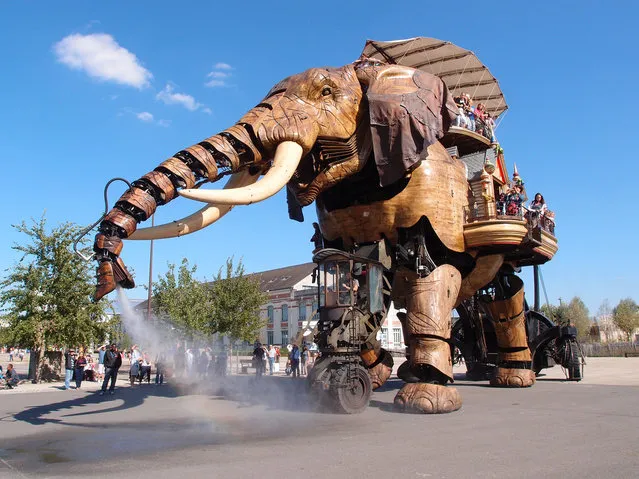
The Machines Of The Isle Of Nantes

Due to the influence of Sci-Fi movies, many of us have an obsession with giant robots. How cool would it be to ride a gigantic robotic dinosaur or elephant? It would be even cooler to control one! Regretfully, the modern technologies are not yet sophisticated enough to fulfill this dream. Pierre Orefice and François Delarozière, however, came very close. These two artists have made it their goal to turn Nantes, France, into a hot tourist destination spot for people who love robots. In their project of Machines de l'île in Nantes, they have created a whole park of robotic monstrosities, ranging from a giant 3 story high elephant to a 2 meter long centipede crawling on a rail track.
Details
05 Jan 2015 13:21:00
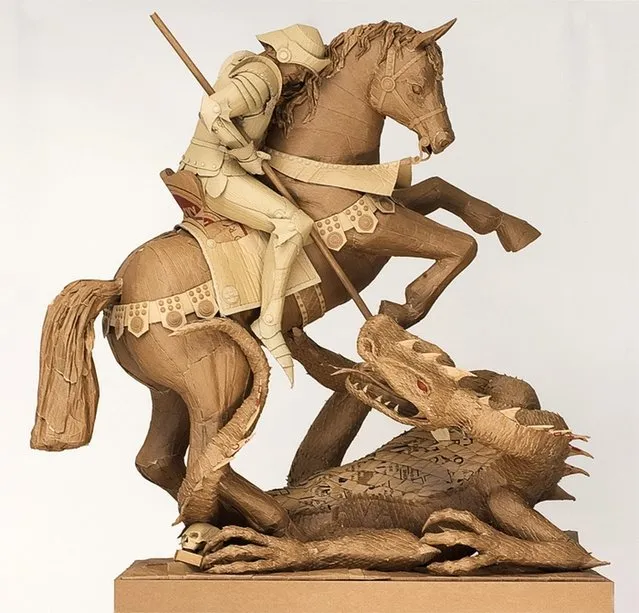
Cardboard Sculptures By Chris Gilmour

Chris Gilmour is one of those people that can turn unexpected things, which most of us would simply discard as trash, into astounding works of art. By taking simple cardboard packaging and other recycled items, he was able to create intricate replicates of various large items, paying close attention to even the smallest details. His cardboard sculptures include everything from vehicles (motorbikes, cars, bicycles) to religious symbols. Some people may find it sacrilege to create religious icons out of trash, which includes toothpaste, condoms, etc.; however, art should not be bound by prejudice and bigotry of close-minded individuals. (Photo by Chris Gilmour)
Details
27 Jan 2015 11:59:00
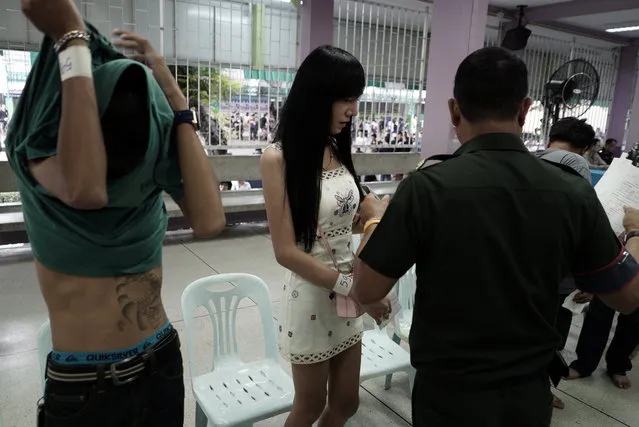
Kanphitcha Sungsuk, 21, (C), lines up with young men to speak to officers during an army draft held at a school in Klong Toey, the dockside slum area in Bangkok, Thailand, April 6, 2017. (Photo by Athit Perawongmetha/Reuters)

Kanphitcha Sungsuk, 21, (C), lines up with young men to speak to officers during an army draft held at a school in Klong Toey, the dockside slum area in Bangkok, Thailand, April 6, 2017. Thailand is widely seen as a paradise for gay and transgender people, but many complain of being treated as second-class citizens and the obligation to respond to the draft can be a nightmare when they turn 21. (Photo by Athit Perawongmetha/Reuters)
Details
11 Apr 2017 09:33:00
Try not to get hypnotised by this spider. (Photo by Javier Ruperez/Solent News & Photo Agency)

This extraordinary series of close-up photos turns mundane insects into terrifying beasts from another world. The bugs are captured in intricate detail by photographer Javier Ruperez, using a special lens, revealing just how complex the tiny creatures are. (Photo by Javier Ruperez/Solent News & Photo Agency)
Details
21 Jun 2018 00:03:00
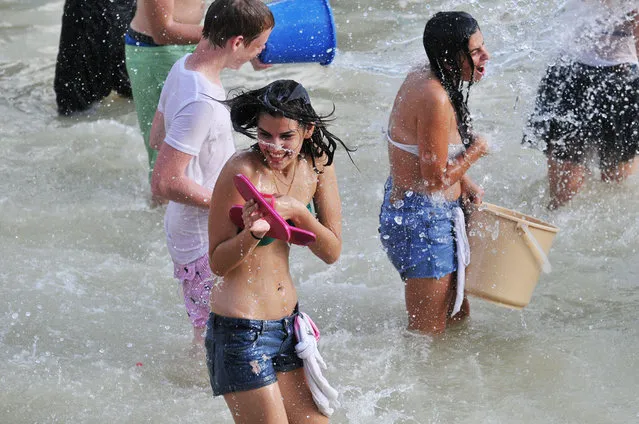
Water War in Tel-Aviv 2012

“The 8th annual Water War on Friday in the center of Tel-Aviv, Israel turned into a battlefield, quite literally. As two thousand people were having fun in the square, some water-fighters took to more radical behavior, targeting passing cars, motorcycles and public buses”. – iReport.cnn.com (Photo by Sergey Demyanchuk)
Details
08 Jul 2012 08:46:00
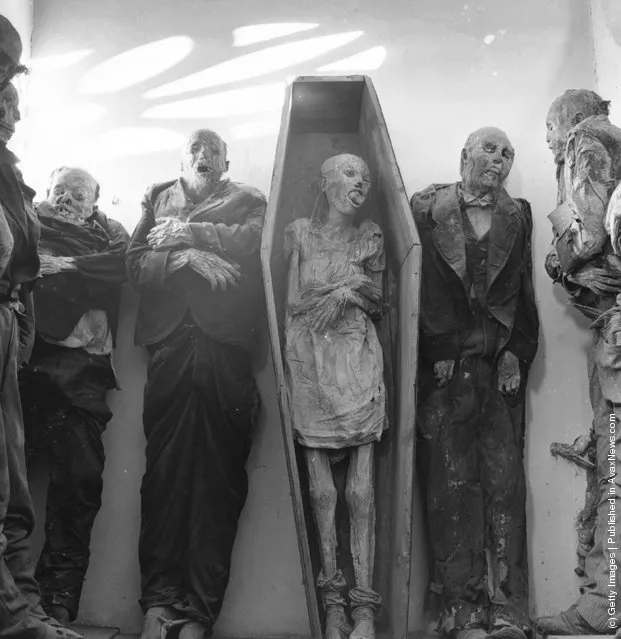
Mummies

Dried and shrivelled corpses, some fully clothed and some in coffins, line the wall of a vault of the Pantheon Cemetery on the summit of Cerro del Trozado in Mexico. They were removed from the crypts because of non-payment of cemetery fees. The hot dry air stopped the bodies from rotting. Most of them were placed here between the turn of the century and WW I. (Photo by Three Lions/Getty Images). Circa 1955
Details
29 Aug 2011 13:46:00
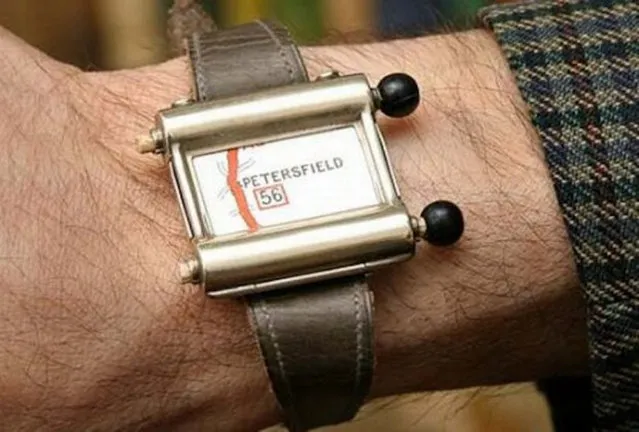
Plus Fours Routefinder - Worlds First Navigation System

Invented in 1920′s this could be world’s first navigation system. No satellites or digital screens were used in the making of this portable navigation system. Called Plus Fours Routefinder, this little invention was designed to be worn on your wrist, and the “maps” were printed on little wooden rollers which you would turn manually as you drove along.
Details
19 Mar 2014 15:14:00