Loading...
Done
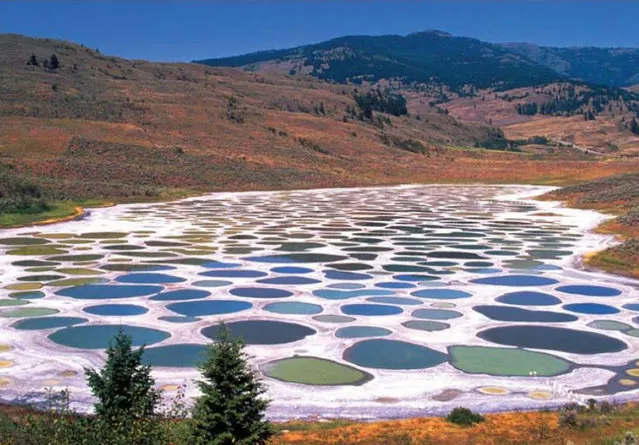
Kliluk, the Spotted Lake, Canada

Originally known to the First Nations of the Okanagan Valley as Khiluk, which was- and remains today revered as a sacred site producing therapeutic waters. During World War I the minerals of Spotted Lake were used in manufacturing ammunition. Later the area came under the control of the Ernest Smith Family, for a term of about 40 years. In 1979 Smith attempted to create interest in a spa at the lake. The First Nations responded with an effort to buy the lake; in October 2001 they finally struck a deal. First Nations arranged the purchase of 22 hectares of land for a total of $720,000, and contributed about 20% of the cost. The Indian Affairs Department paid the remainder.
Details
06 Mar 2015 12:59:00
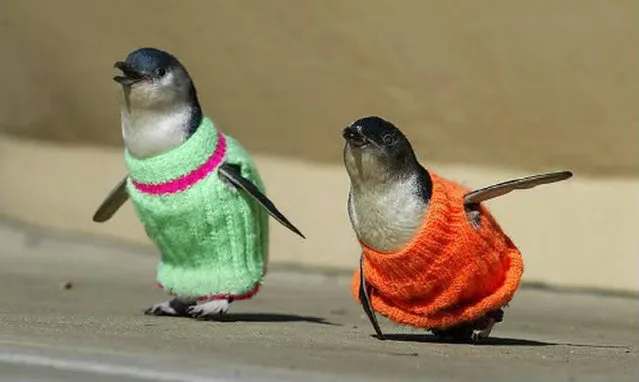
New Zealand Penguins in Need of Sweaters

Penguin sweaters, also known as penguin jumpers, are sweaters which are knitted for penguins that have been caught in oil slicks. When an oil spill affects penguins, they are dressed in knitted sweaters to stop them preening their feathers and to keep them warm, since the spilled oil destroys their natural oils. This also prevents them from poisoning themselves by ingesting the oil. The sweaters are removed and discarded as soon as the penguins can be washed. The original project has been completed, but the knitting pattern is still available on-line, as subsequent oil spills make it necessary. The extra sweaters are kept on behalf of the Wildlife Rescue Team.
Details
31 Oct 2012 13:06:00
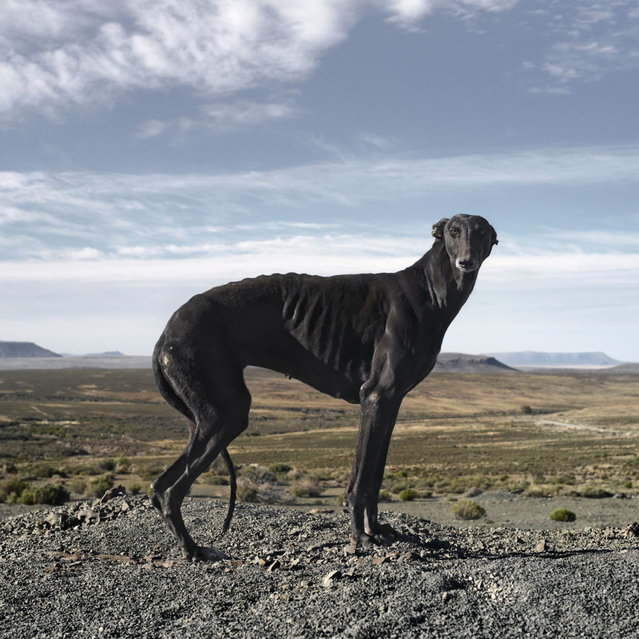
Africanis 18. Murraysburg, Western Cape, May 10, 2010. (Photo by Daniel Naudé)

“The Africanis is a landrace of South African dogs. It is believed to be of ancient origin, directly descended from hounds and pariah dogs of ancient Africa, introduced into the Nile Valley from the Levant. The Swahili name for the breed is umbwa wa ki-shenzi meaning common or mongrel or “traditional dog”. Africanis is also an umbrella name for all the aboriginal dogs in southern Africa”. – Wikipedia. Photo: Africanis 18. Murraysburg, Western Cape, May 10, 2010. (Photo by Daniel Naudé)
Details
19 May 2013 11:51:00
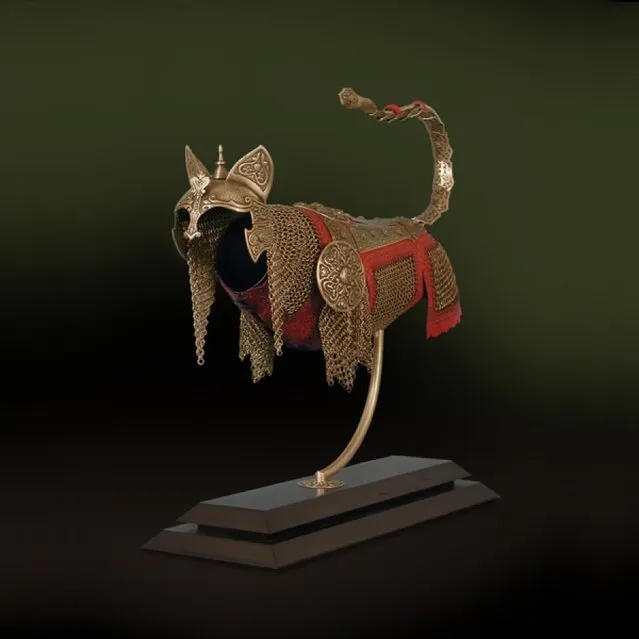
Animal Armour: Cats And Mice By Jeff de Boer

Jeff de Boer is a Calgary-based multi-media artist with an international reputation for producing some of the world's most original and well-crafted works of art. With an emphasis on metal, he is best known for such bodies of work as suits of armour for cats and mice, armour ties and sword-handled briefcases, rocket lamps and pop culture ray guns, and exquisite high art, abstract works called exoforms.
Details
10 Apr 2013 11:50:00
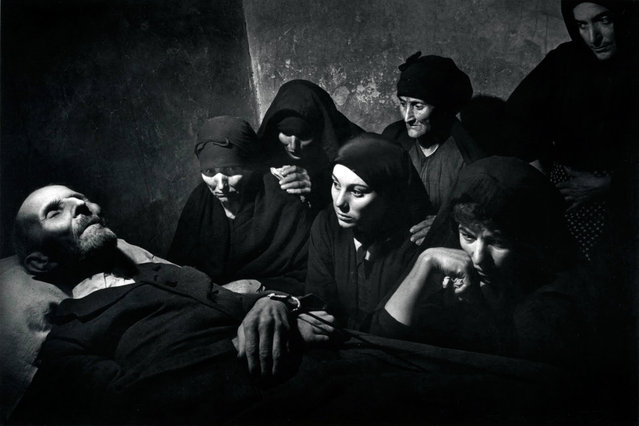
His wife, daughter, granddaughter and friends have their last earthly visit with a villager. (Photo by W. Eugene Smith/Time & Life Pictures)

“Originally published in the April 9, 1951, issue of LIFE magazine, W. Eugene Smith’s photo essay, «Spanish Village», has been lauded for more than six decades as the most moving photographic portrait ever made of daily life in rural Spain during the rule of dictator Francisco Franco”. – Time & Life Pictures. Photo: His wife, daughter, granddaughter and friends have their last earthly visit with a villager. (Photo by W. Eugene Smith/Time & Life Pictures)
Details
30 Apr 2013 10:11:00


Cole Yeoman steps over a large crack along River Road, Avonside on February 25, 2011 in Christchurch, New Zealand. The death toll has risen to 113 and the hope for finding survivors is fading as rescuers search through debris for over 200 still missing following a 6.3 magnitude earthquake that struck Christchurch on Tuesday. The quake, which was an aftershock of a 7.1 magnitude quake that struck the South Island city on September 4, 2010, has seen damage and fatalities far exceeding those of the original. (Photo by Martin Hunter/Getty Images). CHRISTCHURCH, NEW ZEALAND – FEBRUARY 25
Details
06 Mar 2011 13:00:00


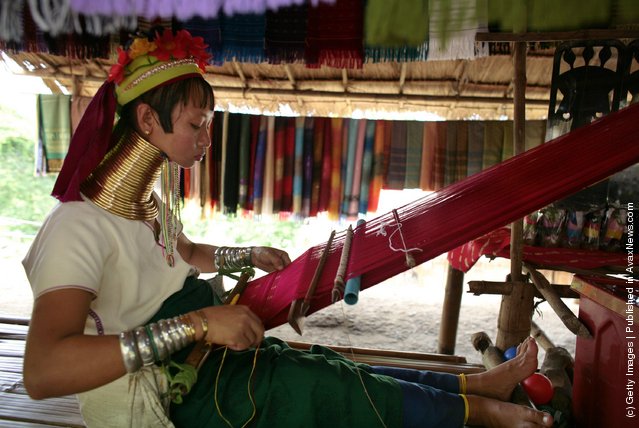
Mah Chan, a Long Neck Padaung hill tribe woman weaves a scraf for sale to tourists in a small village where 30 familes live July 13, 2006 in Chiang Dao, Thailand. All the Long Neck villages are set up for tourists and just over a year ago the hill tribe members were hand picked to move closer to Chiang Mai from more remote communities so that they could be more accessible. The Padaung women famously wear brass rings around their necks, beginning at five-years-old, to distort the growth of their collarbones and making them look like they have long necks. They are originally from eastern Burma near the Thailand border. (Photo by Paula Bronstein/Getty Images)
Details
19 Apr 2011 11:56:00
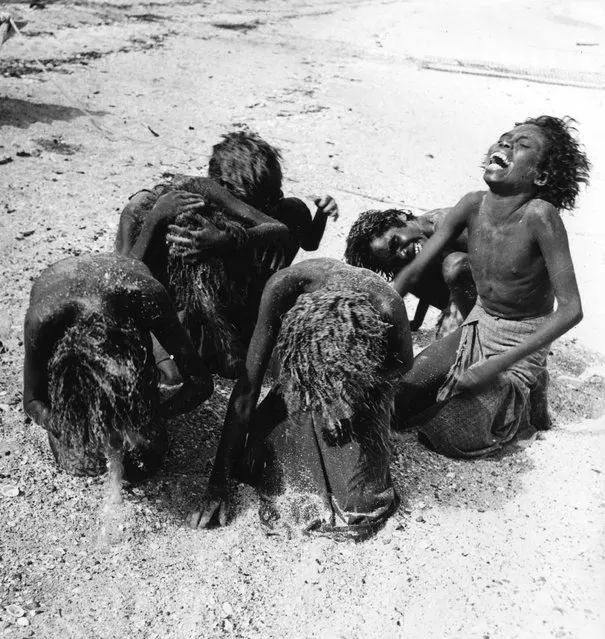
1st January 1950:  Aboriginal women washing their hair with sand at Arnhem land in the Northern Territory of Australia.  (Photo by Three Lions/Getty Images)

“Australian Aborigines are those people regarded as indigenous to the Australian continent. In the High Court of Australia, Australian Aborigines have been specifically identified as a group of people who share, in common, biological ancestry back to the original occupants of the continent”. – Wikipedia

Photo: Aboriginal women washing their hair with sand at Arnhem land in the Northern Territory of Australia. 1st January 1950. (Photo by Three Lions)
Details
02 Feb 2014 07:29:00