Danny Batsalkin holds a rifle during the annual National Rifle Association (NRA) meeting in Dallas, Texas, U.S., May 18, 2024. (Photo by Shelby Tauber/Reuters)
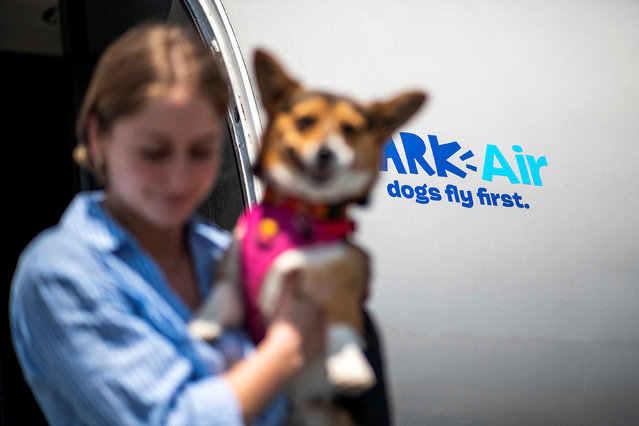
A woman holding a dog walks out of a plane during a press event introducing Bark Air, an airline for dogs, at Republic Airport in East Farmingdale, New York on May 21, 2024. (Photo by Eduardo Munoz/Reuters)
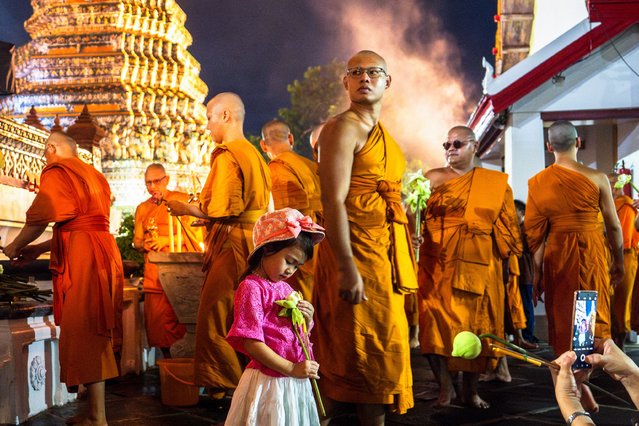
A young worshipper holds a lotus flower as Buddhist monks gather at Wat Arun Buddhist temple during Asaha Bucha day in Bangkok on July 20, 2024. (Photo by Chanakarn Laosarakham/AFP Photo)
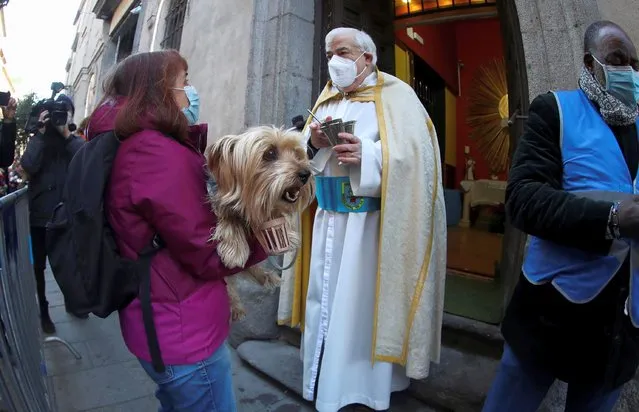
A woman holds her dog to be blessed outside St. Anton Church to mark St. Anton Day, Animal patron saint, in downtown Madrid, Spain, 17 January 2022. (Photo by David Fernandez/EPA/EFE)
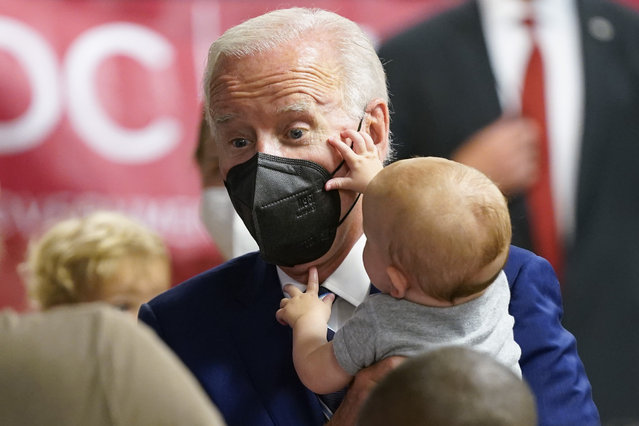
President Joe Biden holds a baby as he visits a COVID-19 vaccination clinic at the Church of the Holy Communion Tuesday, June 21, 2022, in Washington. (Photo by Evan Vucci/AP Photo)
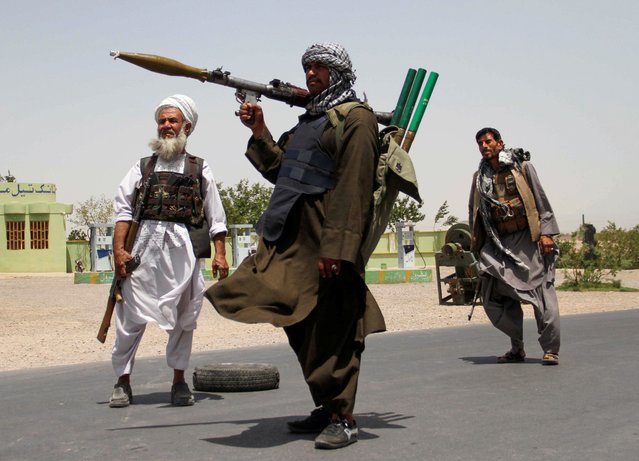
Former Mujahideen hold weapons to support Afghan forces in their fight against Taliban, on the outskirts of Herat province, Afghanistan on July 10, 2021. (Photo by Jalil Ahmad/Reuters)
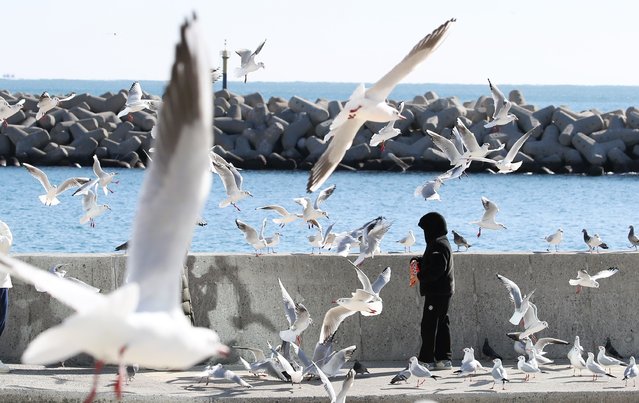
On the afternoon of the January 3, 2025, seagulls are gathering around a child holding shrimp crackers at Haeundae Beach in Busan, South Korea. (Photo by Dong-Hwan Kim)
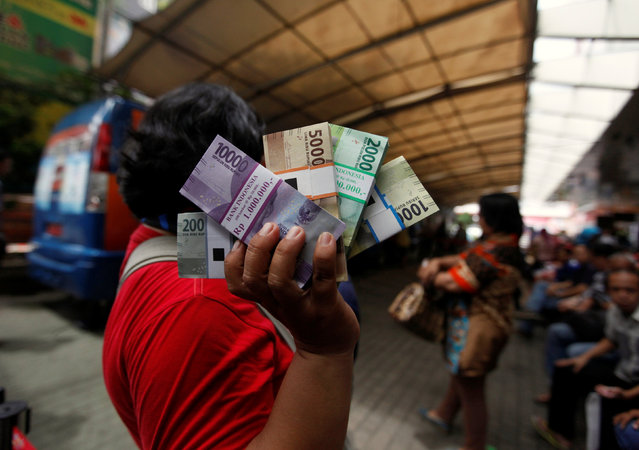
A woman holds newly designed Indonesia Rupiah banknotes after exchanging her old bills at a Bank Indonesia mobile bank in Jakarta, Indonesia December 19, 2016. (Photo by Fatima El-Kareem/Reuters)