Loading...
Done
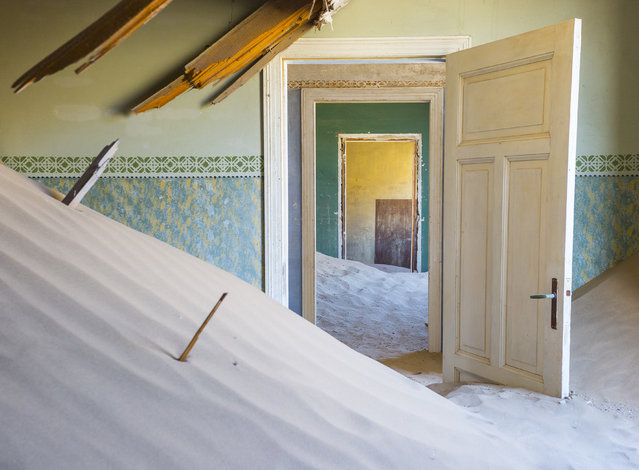
Kolmankop, an abandoned mining town in Namibia. (Photo by David Ogden/Caters News)

These sand-swept images show the ghostly remains of what was once a mineral-rich mining community. In its heyday, the town of Kolmanskop, Namibia, was home to about 700 families. Now all that remains are empty homes filled with sand, while cast-off items such as bathtubs are scattered about the surrounding area. Over time, the sand of the stunning dunes that encircle the town of Kolmanskop has been blown towards the abandoned residences, coating everything from streets to the interiors of houses and workshops. Here: Kolmankop, an abandoned mining town in Namibia. (Photo by David Ogden/Caters News)
Details
13 Mar 2016 09:31:00
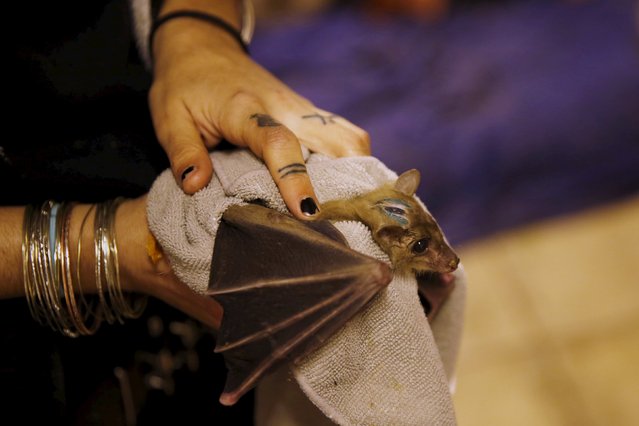
Israeli woman, Nora Lifschitz, 28, holds an injured Egyptian fruit bat at her home in Tel Aviv February 22, 2016. (Photo by Baz Ratner/Reuters)

Israeli woman, Nora Lifschitz, 28, holds an injured Egyptian fruit bat at her home in Tel Aviv February 22, 2016. Lifschitz says that she began caring for injured fruit bats from her home two years ago and now has some 70 of the flying mammals which she plans to release back into nature once they are healthy. (Photo by Baz Ratner/Reuters)
Details
24 Feb 2016 13:10:00
Women dance at the Taiga nightclub in Batroun village, north of Beirut, Lebanon, Friday, July 2, 2021. (Photo by Hassan Ammar/AP Photo)

Women dance at the Taiga nightclub in Batroun village, north of Beirut, Lebanon, Friday, July 2, 2021. With their dollars trapped in the bank, a lack of functioning credit cards and travel restrictions imposed because of the pandemic, many Lebanese who traditionally vacationed over the summer at regional hotspots are also now turning toward domestic tourism. (Photo by Hassan Ammar/AP Photo)
Details
07 Jul 2021 09:26:00
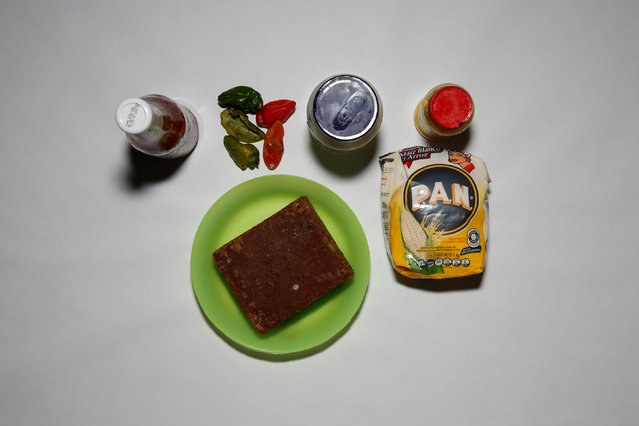
All the food available in the house of Antonia Torres and her family, is pictured at their home in Caracas, Venezuela April 22, 2016. (Photo by Carlos Garcia Rawlins/Reuters)

The combination of Venezuela's sky-rocketing prices and chronic product shortages have left many struggling to put regular food on their tables and maintain a balanced diet. According to one recent study, 87 percent of Venezuelans say their income is now insufficient to purchase their food needs. Here: All the food available in the house of Antonia Torres and her family, is pictured at their home in Caracas, Venezuela April 22, 2016. (Photo by Carlos Garcia Rawlins/Reuters)
Details
28 Apr 2016 12:30:00
Belgian Hotel CasAnus

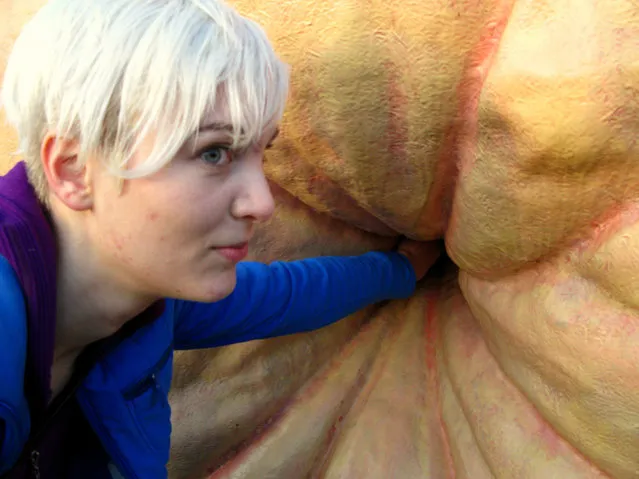
Hotel CasAnus has all the elements of a great weekend getaway. It's just shaped like a giant human colon. On a small island, nestled between Antwerp and Ghent in Flanders, Belgium, this quaint structure is designed like a humongous intestinal tract, complete with an anus replica.
Originally an art sculpture created by the Dutch designer Joep Van Lieshout, CasAnus is now a part of the Verbeke Foundation art park, one of Western Europe’s edgiest art venues.
Details
01 Jun 2015 04:45:00
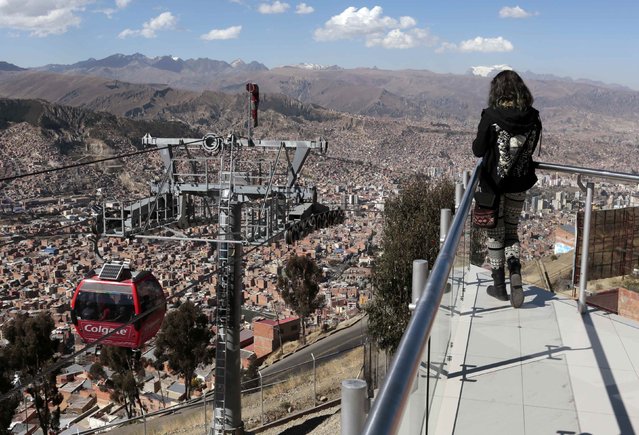
A woman looks at La Paz city from the Jacha Qhatu cable car station in El Alto, July 23, 2015. (Photo by David Mercado/Reuters)

A woman looks at La Paz city from the Jacha Qhatu cable car station in El Alto, July 23, 2015. Bolivia already has the largest urban cable car system in the world. Now the booming country is tripling the size of the network and will soon have nine lines whizzing above the administrative capital of La Paz. (Photo by David Mercado/Reuters)
Details
28 Jul 2015 12:50:00
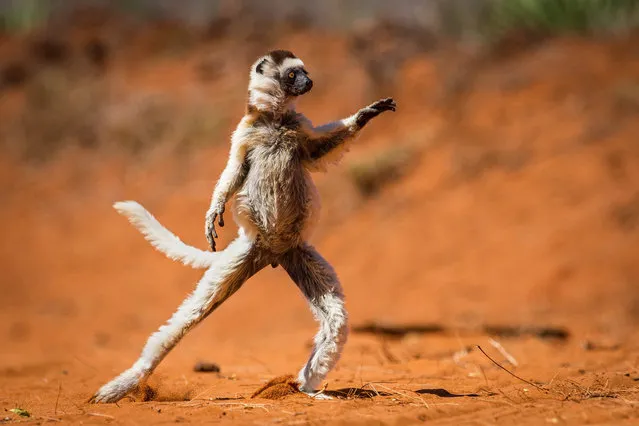
'Dancing sifaka'. (Photo by Alison Buttigieg/Comedy Wildlife Photography Awards/Mercury Press)

More than 1,500 snappers submitted their most hilarious pictures of all creatures great and small, and now 45 have made the cut. From drunken-eyed owls to embarrassed chipmunks and laughing goats – the finalists in the Comedy Wildlife Photography Awards are guaranteed to raise a smile. Here: 'Dancing sifaka'. (Photo by Alison Buttigieg/Comedy Wildlife Photography Awards/Mercury Press)
Details
12 Oct 2015 08:06:00
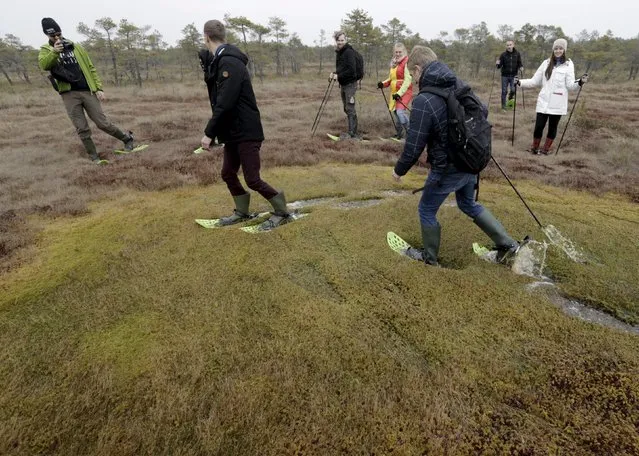
People use snowshoes during a tour of the Great Kemeri Bog, Latvia, October 17, 2015. (Photo by Ints Kalnins/Reuters)

People use snowshoes during a tour of the Great Kemeri Bog, Latvia, October 17, 2015. The Kemeri bog is more than 8,000 years old and is one of the largest dry moss swamps in the Baltics. A more than decade-long joint restoration of the bog by the European Union and the Latvian government helped the bog recover its high moss marshes, damp black alder forests, floodplain meadows and seaside lakes – features now considered rare in Europe due to industrialisation. (Photo by Ints Kalnins/Reuters)
Details
20 Oct 2015 08:03:00