Loading...
Done
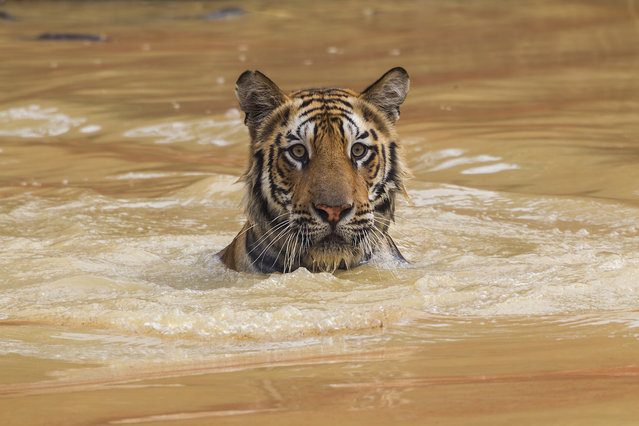
A 14-month-old cub, cooling off in a pond, is riveted by a deer that appeared near the shore. Tigers are powerful swimmers; they can easily cross rivers four to five miles wide and have been known to swim distances of up to 18 miles. (Photo by Steve Winter/National Geographic)

National Geographic photographer Steve Winter has spent most of his adult life shooting wild cats. Photo: A 14-month-old cub, cooling off in a pond, is riveted by a deer that appeared near the shore. Tigers are powerful swimmers; they can easily cross rivers four to five miles wide and have been known to swim distances of up to 18 miles. (Photo by Steve Winter/National Geographic)
Details
08 Apr 2014 11:52:00
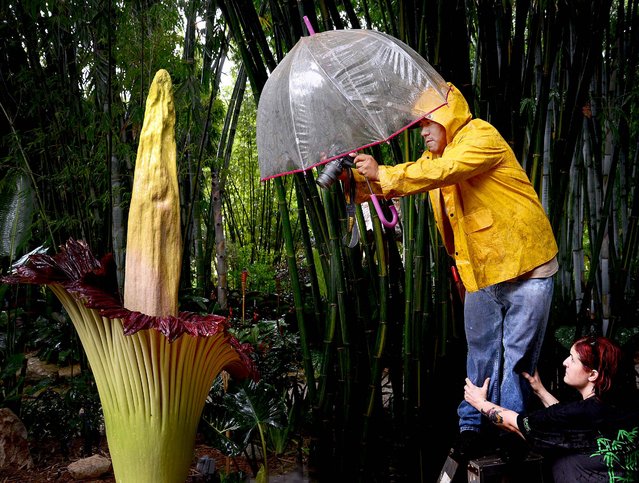
Mateo Santiago, Field Manager at Tropical Bamboo Nursery and Gardens, photographs rain water collecting in the corpse flower as Garden Manager Melanie Benson steadies a ladder. Santiago crinkled his nose up distastefully when he described its odor, which was at its worse Sunday night. “It smelled like a dead rat”. (Photo by Melanie Bell/Palm Beach Daily News)

Mateo Santiago, Field Manager at Tropical Bamboo Nursery and Gardens, photographs rain water collecting in the corpse flower as Garden Manager Melanie Benson steadies a ladder. Santiago crinkled his nose up distastefully when he described its odor, which was at its worse Sunday night. “It smelled like a dead rat”. (Photo by Melanie Bell/Palm Beach Daily News)
Details
23 Jul 2014 09:56:00
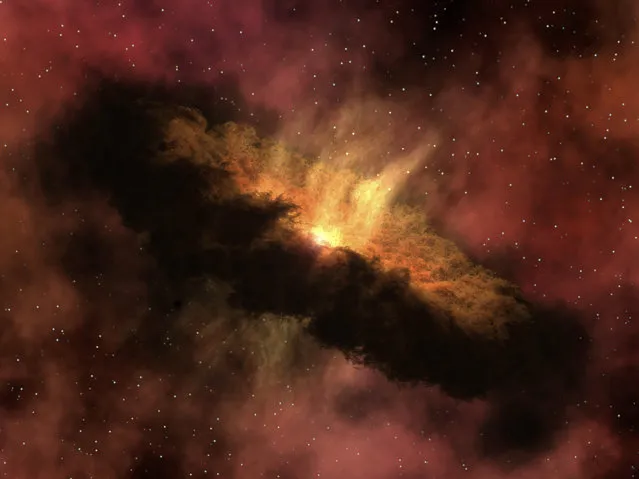
A fledgling solar system containing deep within it enough water vapor to fill all the oceans on Earth five times, located in our Milky Way galaxy about 1,000 light years from Earth in the constellation Perseus. (Photo by Reuters/NASA/JPL-Caltech)

A fledgling solar system containing deep within it enough water vapor to fill all the oceans on Earth five times, located in our Milky Way galaxy about 1,000 light years from Earth in the constellation Perseus. (Photo by Reuters/NASA/JPL-Caltech)
Details
28 Sep 2016 11:01:00
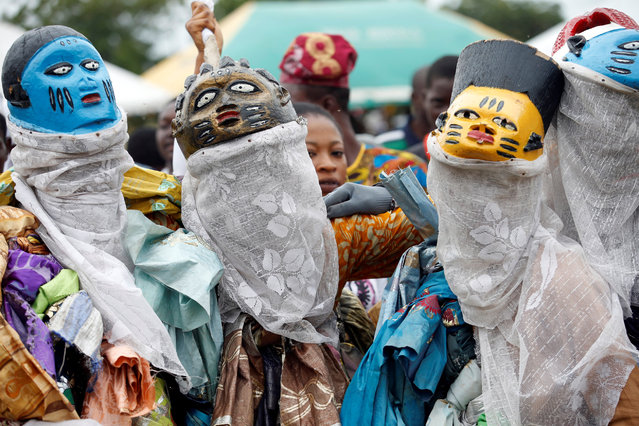
Masquerade performers participate in the annual Badagry cultural festival near the old slave port in Badagry, on the outskirts of Lagos, Nigeria August 27, 2016. (Photo by Akintunde Akinleye/Reuters)

Masquerade performers participate in the annual Badagry cultural festival near the old slave port in Badagry, on the outskirts of Lagos, Nigeria August 27, 2016. (Photo by Akintunde Akinleye/Reuters)
Details
29 Aug 2016 07:18:00
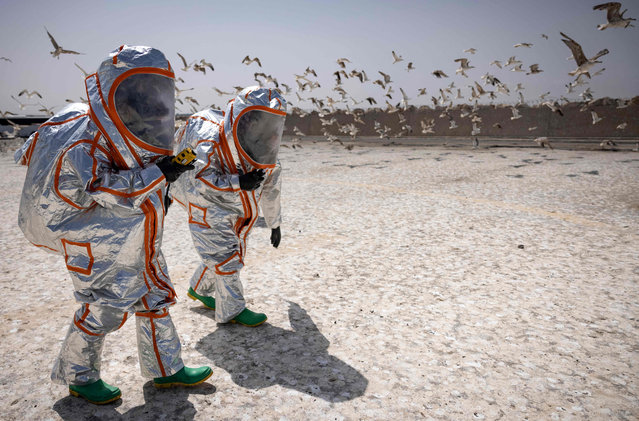
Members of the Moroccan Royal Armed Forces Rescue and Relief Unit take part in a biochemical simulation organized by the US Defense Threat Reduction Agency (DTRA) as part of the “African Lion” military exercise, in the port of Agadir, on June 15, 2021. (Photo by Fadel Senna/AFP Photo)

Members of the Moroccan Royal Armed Forces Rescue and Relief Unit take part in a biochemical simulation organized by the US Defense Threat Reduction Agency (DTRA) as part of the “African Lion” military exercise, in the port of Agadir, on June 15, 2021. (Photo by Fadel Senna/AFP Photo)
Details
26 Jun 2021 09:42:00
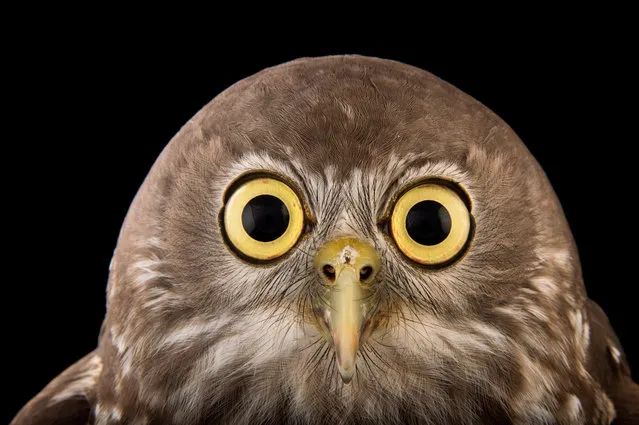
The National Geographic Photo Ark is a travelling exhibition of photographer Joel Sartore’s quest to create a photo archive of biodiversity around the world. So far, Sartore has captured studio portraits of more than 6,000 species – a number that he hopes to double. On 1 July, the ark will open at Melbourne zoo – the first time it has been exhibited in the southern hemisphere. More than 50 portraits will be on display, including many of Australian endangered animals being protected by programs at the zoo itself. These captions have been edited from text supplied by Melbourne zoo. Here: Barking owl. So-named because its call sounds like a barking dog, these birds are native to Australia, Indonesia and Papua New Guinea. In Victoria they are listed as an endangered species, and in 2003 there were estimated to be fewer than 50 breeding pairs. The main threat to the species in Victoria is loss of habitat, especially large trees with hollows in which they can nest and on which many of their prey depend. Apart from a bark, they may utter a chilling scream when they feel threatened. (Photo by Joel Sartore/National Geographic Photo Ark/The Guardian)

The National Geographic Photo Ark is a travelling exhibition of photographer Joel Sartore’s quest to create a photo archive of biodiversity around the world. So far, Sartore has captured studio portraits of more than 6,000 species – a number that he hopes to double. On 1 July, the ark will open at Melbourne zoo – the first time it has been exhibited in the southern hemisphere. More than 50 portraits will be on display, including many of Australian endangered animals being protected by programs at the zoo itself. These captions have been edited from text supplied by Melbourne zoo. Here: Barking owl. (Photo by Joel Sartore/National Geographic Photo Ark/The Guardian)
Details
01 Jul 2017 07:45:00


LOCOG Chair and former Olympian Lord Sebastian Coe holds a prototype design of the new golden Olympic Torch during its unveiling at St Pancras Station on June 8, 2011 in London, England. (Photo by Dan Kitwood/Getty Images)
Details
09 Jun 2011 09:40:00
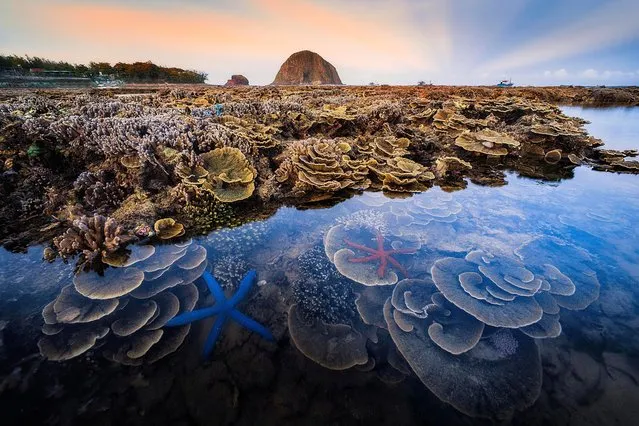
Runner-up; Hon Yen marine ecosystem. Phu Yen, Vietnam. Every year between May and August, the coral of this rich and diverse ecosystem becomes exposed at low tide. (Photo by Truong Hoai Vu/Royal Society of Biology Photography Competition)

Runner-up; Hon Yen marine ecosystem. Phu Yen, Vietnam. Every year between May and August, the coral of this rich and diverse ecosystem becomes exposed at low tide. (Photo by Truong Hoai Vu/Royal Society of Biology Photography Competition)
Details
31 Oct 2021 05:12:00