Loading...
Done
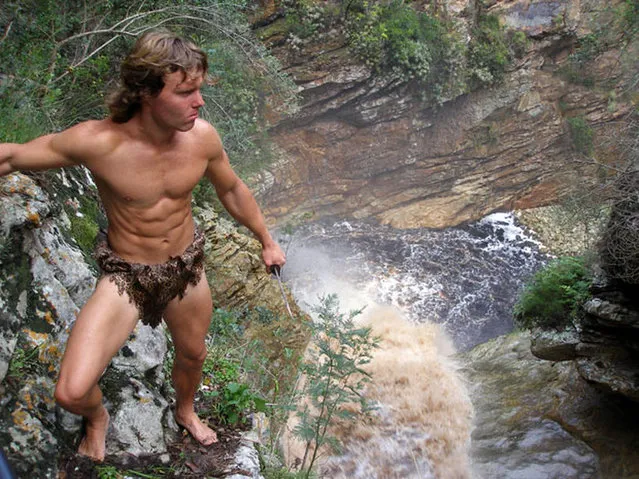
Real-Life Tarzan DeWet Du Toit

South African-born DeWet du Toit once worked as a security guard at a Co-op shop in Manchester, but now he’s decided to live his dream by becoming a real-life Tarzan – all with the hope of one day making it to Hollywood to portray his hero.
Details
21 Mar 2013 12:10:00


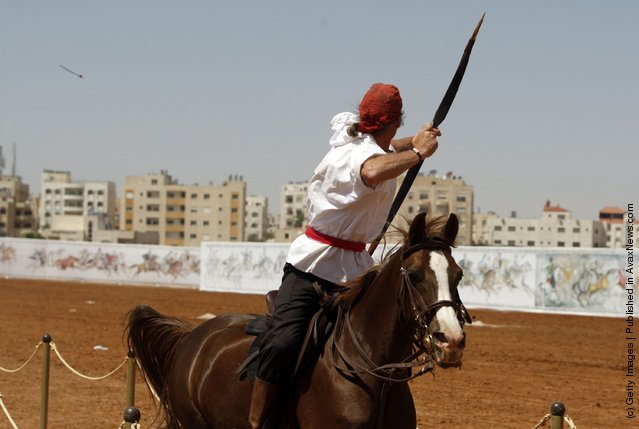
A Participant attends the opening of the first Jordanian International Horseback Archery competition, also known as the Al Faris competition and organized by the Public Security, to mark the country's 65th Independence Day June 9, 2011 in Amman, Jordan. The Al Faris competition involves showcasing different archery styles and competitors from more than fifteen countries. (Photo by Salah Malkawi/ Getty Images)
Details
10 Jun 2011 09:30:00
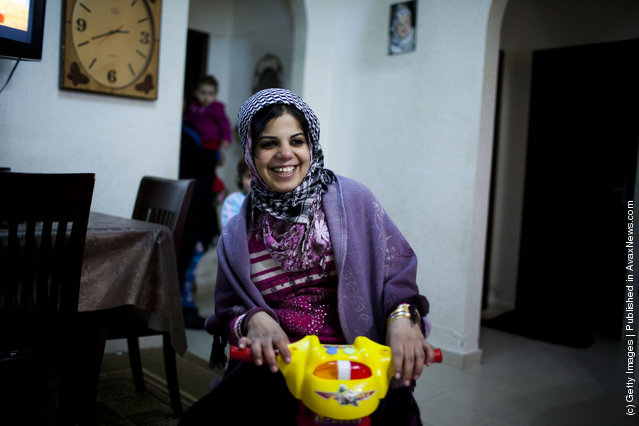
Baraa Melhem was held in captivity in a bathroom by her father for over nine years

Baraa Melhem plays on her sisters bike at her mothers house on February 2, 2012 in Qalandia, near Ramallah, West Bank. Baraa Melhem was held in captivity in a bathroom by her father for over nine years, and was finally rescued by Palestinian security forces after a family member notified police. (Photo by Ilia Yefimovich/Getty Images)
Details
02 Feb 2012 10:34:00
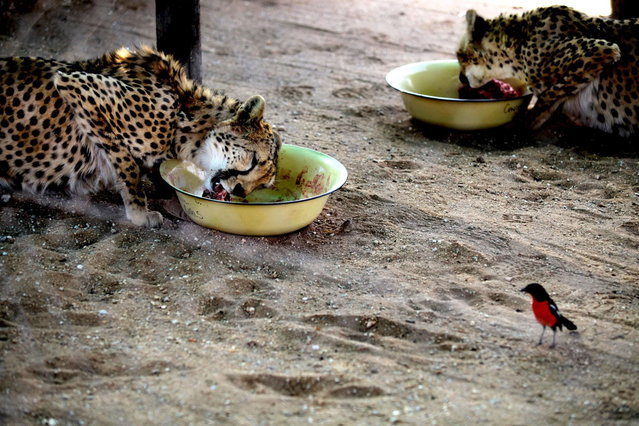
Young cheetahs eat meat at The Cheetah Conservation Fund (CCF) center in Otjiwarongo, Namibia, on August 13, 2013. The CCF started breeding Anatolian livestock dogs to promote cheetah-friendly farming after some 10,000 big cats – the current total worldwide population – were killed or moved off farms in the 1980s.  Up to 1,000 cheetahs were being killed a year, mostly by farmers who saw them as livestock killers. But the use of dogs has slashed losses for sheep and goat farmers and led to less retaliation against the vulnerable cheetah. (Photo by Jennifer Bruce/AFP Photo)

Young cheetahs eat meat at The Cheetah Conservation Fund (CCF) center in Otjiwarongo, Namibia, on August 13, 2013. The CCF started breeding Anatolian livestock dogs to promote cheetah-friendly farming after some 10,000 big cats – the current total worldwide population – were killed or moved off farms in the 1980s. Up to 1,000 cheetahs were being killed a year, mostly by farmers who saw them as livestock killers. But the use of dogs has slashed losses for sheep and goat farmers and led to less retaliation against the vulnerable cheetah. (Photo by Jennifer Bruce/AFP Photo)
Details
29 Aug 2013 10:56:00


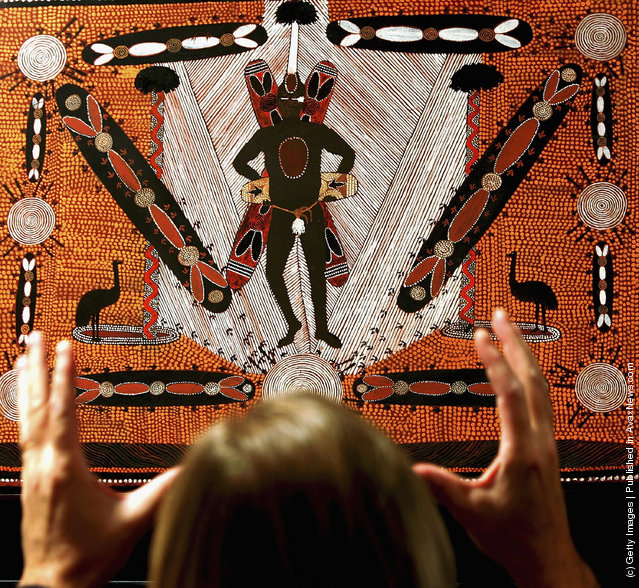
Tim Klingender, Director of Aboriginal Art at Sotheby's hangs the painting “Emu Corroboree Man” by Clifford Possum Tjapaltjarri before a record auction of Aboriginal Art July 14, 2005 in Sydney, Australia. The painting is expected to fetch AUD 150,000 – 250,000 (USD 120,000 – 200,000). Sotheby's unveiled a selection of Aboriginal art and artifacts after a tour of New York and London, which will go to auction in Melbourne July 25 2005. The total pre-sales estimate of the collection is AUD 6 million – 8.5 million (USD 5 million – 7 million). (Photo by Ian Waldie/Getty Images)

Details
01 Apr 2011 09:09:00


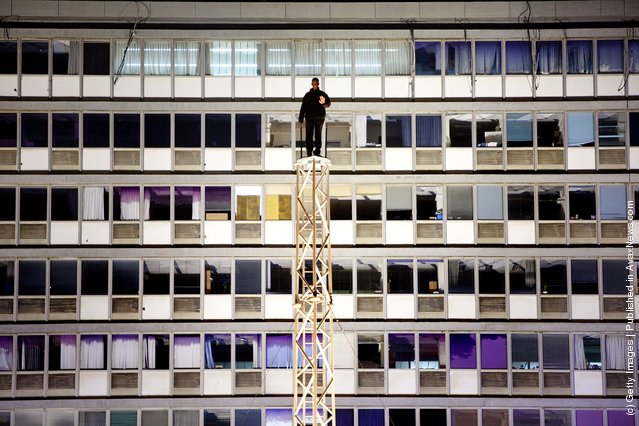
Israeli magician Hezi Dean stands atop of a tower where he intends to remain for 35 hours, at Rabin square on May 18, 2011 in Tel Aviv, Israel. Dean started his most recent stunt Wednesday in an attempt to break the record of American illusionist and endurance artist David Blaine. Dean was raised on the 27-meters high tower Wednesday morning and aims to remain there with no food until Thursday evening, for a total of 35-hours. (Photo by Uriel Sinai/Getty images)
Details
19 May 2011 06:50:00
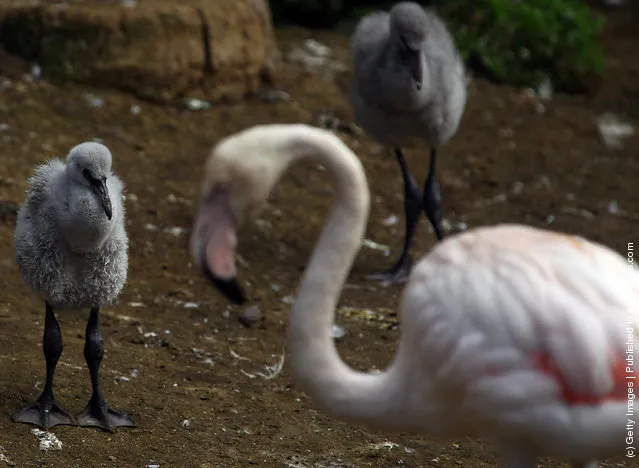
Baby Flamingoes

One of the nine baby flamingos born at Bristol Zoo stands with the adults as they feed together on August 19, 2011 in Bristol, England. Nine flamingo chicks have hatched at Bristol Zoo Gardens in the last three months – the biggest number the Zoo has ever had. The chicks, which are Greater Flamingoes from Africa and southern Europe and range in age from four weeks to three months old, take the Zoo's total flock to 38 birds. (Photo by Matt Cardy/Getty Images)
Details
21 Aug 2011 11:09:00
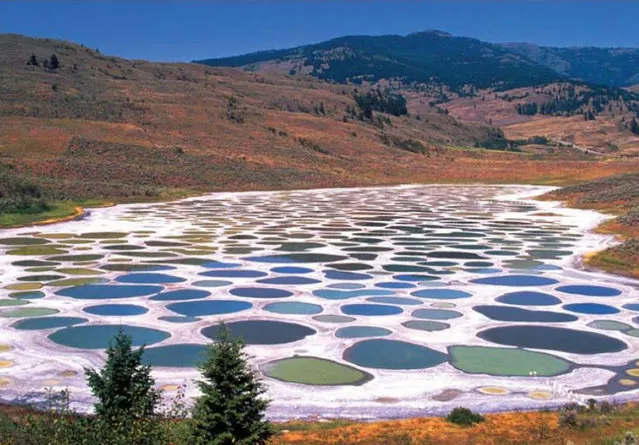
Kliluk, the Spotted Lake, Canada

Originally known to the First Nations of the Okanagan Valley as Khiluk, which was- and remains today revered as a sacred site producing therapeutic waters. During World War I the minerals of Spotted Lake were used in manufacturing ammunition. Later the area came under the control of the Ernest Smith Family, for a term of about 40 years. In 1979 Smith attempted to create interest in a spa at the lake. The First Nations responded with an effort to buy the lake; in October 2001 they finally struck a deal. First Nations arranged the purchase of 22 hectares of land for a total of $720,000, and contributed about 20% of the cost. The Indian Affairs Department paid the remainder.
Details
06 Mar 2015 12:59:00