Loading...
Done
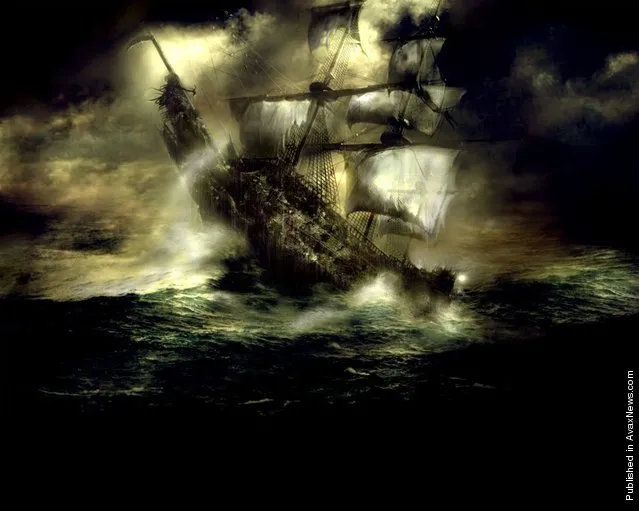
Ocean voyage

Do you think that history is a science? Well, not exactly. First, and foremost, history is the state's “legend of wars”, it’s official regalia. Of course, public historians are not interested in scientific truth – quite the opposite. In this respect, any attempt to present a state’s history as altruistic and benevolent as possible is welcomed and encouraged – as opposed to any revisionism attempts that may be more accurate. In this matter, Chinese have surpassed us all – they revised in highly creative manner (but rather shamelessly) the technology already invented by Europeans, a process that resulted in oldest state on the planet. Here is an interesting paradox: ask any sinologist about the Middle Kingdom during second century B.C., and he will describe it to you in such a vivid manner as if he has been living there all his life – but as soon as you will ask him to describe Chinese history in the 19-20th centuries… let's say, his eagerness will be greatly diminished. However, we will discuss China in a different article, and in the meantime we will try to understand how exactly historic “legend of wars” is formed and functions – based on a specific and well-known example. A great example is Ferdinand Magellan's first voyage around the world.
Details
14 Nov 2011 09:11:00
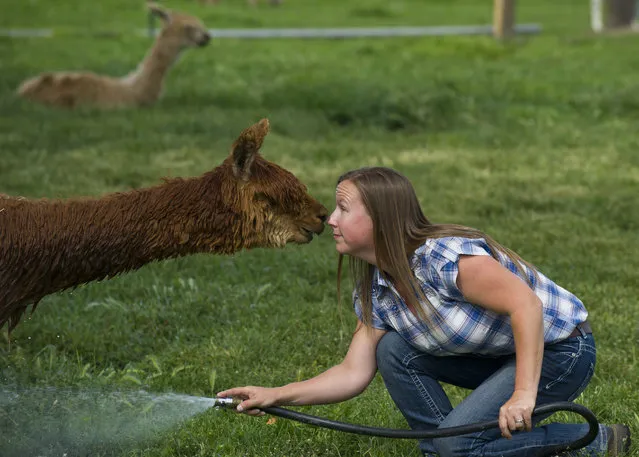
Elaine Vandiver shares a moment with a two-year old alpaca as they touch noses as she washes him at her farm at 1560 Stateline Road Monday, May 11, 2015, in Walla Walla, Wash. (Photo by Michael Lopez/Walla Walla Union-Bulletin via AP Photo)

Elaine Vandiver shares a moment with a two-year old alpaca as they touch noses as she washes him at her farm at 1560 Stateline Road Monday, May 11, 2015, in Walla Walla, Wash. (Photo by Michael Lopez/Walla Walla Union-Bulletin via AP Photo)
Details
16 May 2015 12:27:00
Juno, a Beluga whale, greets a young viewer at the Mystic aquarium in Connecticut, USA on December 5, 2015. (Photo by Tim Clayton/Corbis)

Juno, a Beluga whale, greets a young viewer at the Mystic aquarium in Connecticut, USA on December 5, 2015. (Photo by Tim Clayton/Corbis)
Details
07 Dec 2015 12:05:00
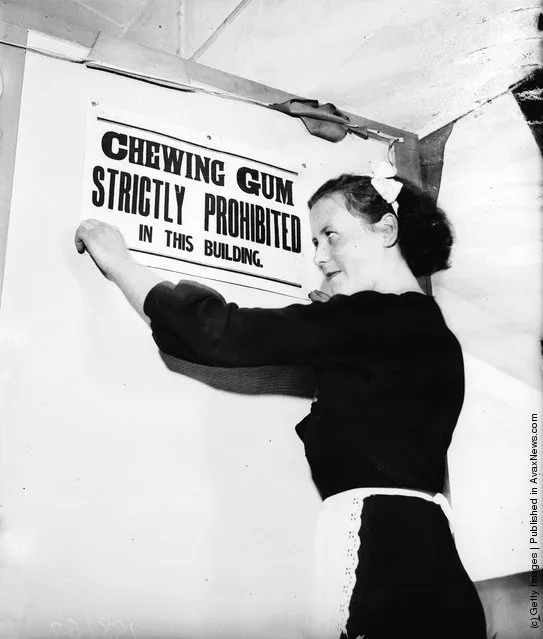
1936: A Penarth dance hall has banned chewing gum on the premises because dancers have complained that their feet keep sticking to the floor

A Penarth dance hall has banned chewing gum on the premises because dancers have complained that their feet keep sticking to the floor. (Photo by Richards/Fox Photos/Getty Images). 16th July 1936
Details
30 Sep 2011 11:15:00
Participants of the “Lady in red“ procession, marking the day of the Summer Solstice, walk on a promenade of the Yenisei River in Krasnoyarsk, Russia on June 22, 2019. (Photo by Ilya Naymushin/Reuters)

Participants of the “Lady in red“ procession, marking the day of the Summer Solstice, walk on a promenade of the Yenisei River in Krasnoyarsk, Russia on June 22, 2019. (Photo by Ilya Naymushin/Reuters)
Details
24 Jun 2019 00:07:00
A bulky tree appears to have crashed down on the roof of this clapped-out Citroen. (Photo by Kenneth Provost/Mediadrumworld.com)

A bulky tree appears to have crashed down on the roof of this clapped-out Citroen. The haunting images were taken by Belgian security guard, Kenneth Provost at various locations across Germany and Belgium. (Photo by Kenneth Provost/Mediadrumworld.com)
Details
05 Jan 2017 13:45:00
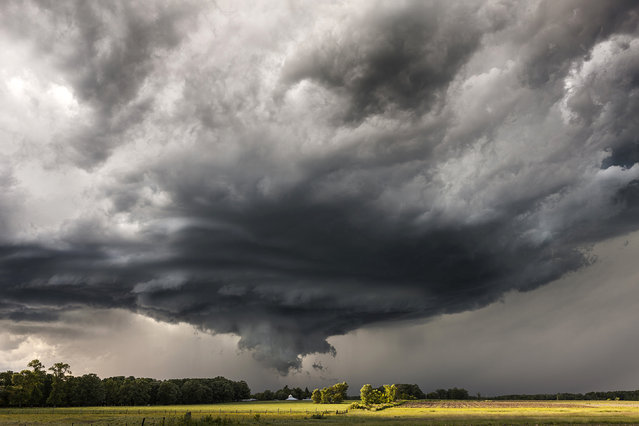
Supercell in Minnesota, near Browerville, Minnesota in 2014. (Photo by Camille Seaman/Caters News)

These stunning images show the phwoar-some power of some of Americas most extreme weather. Camille Seaman’s wondrous work features huge super cells, crashing lightning and gale-force winds. The roaming photographer has chased storms across the US from Iowa to Wyoming and from Minnesota to Texas. Her favorite places to chase are Kansas, Nebraska and South Dakota – notorious hotspots for spectacular storms. Here: Supercell in Minnesota, near Browerville, Minnesota in 2014. (Photo by Camille Seaman/Caters News)
Details
26 Jan 2015 12:10:00
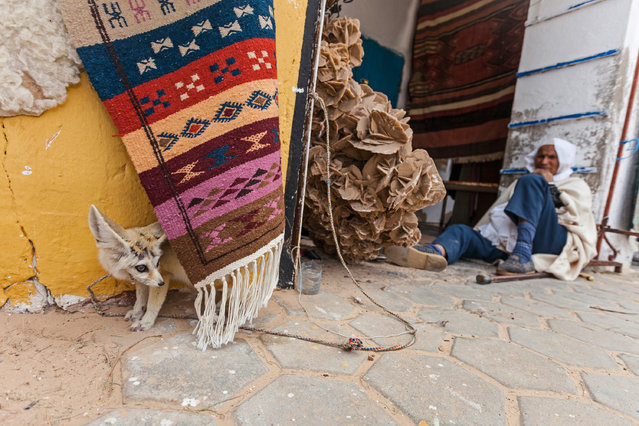
Sultan, a famous captive fennec that is displayed tied on a rope in front of a tourist shop, is the main attraction in the souk of Douz, a desert town in Tunisia. By the display of such a charismatic animal, tourists are often lured to buy things or pay for pictures. On inquiry, although Sultan has been caught as a pup in the wild, the owners of the shop reassure the foreigners stating that the animal is ‘domestic’. (Photo by Bruno D’Amicis/Fritz Pölking Prize/GDT EWPY 2015)

Sultan, a famous captive fennec that is displayed tied on a rope in front of a tourist shop, is the main attraction in the souk of Douz, a desert town in Tunisia. By the display of such a charismatic animal, tourists are often lured to buy things or pay for pictures. On inquiry, although Sultan has been caught as a pup in the wild, the owners of the shop reassure the foreigners stating that the animal is ‘domestic’. (Photo by Bruno D’Amicis/Fritz Pölking Prize/GDT EWPY 2015)
Details
23 Nov 2015 08:02:00