Loading...
Done


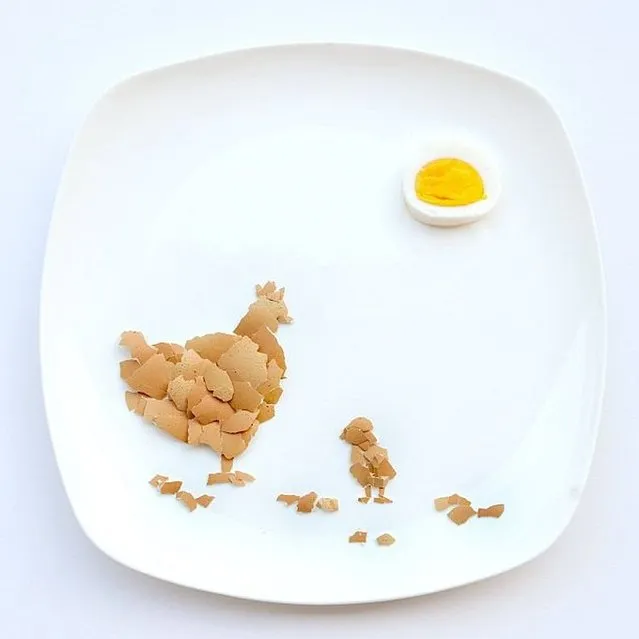
Hong Yi is a Malaysian architect and artist whose impressive portfolio includes work for Chicago’s Union Station, the Melbourne Hall of Music, and alternative medium portraits using coffee stains or tea bags. Her unorthodox approach to creation has led her to her most recent blog project. Over the course of 31 days, Hong Yi (who also goes by Red) will post art pieces made from food. So far, the pieces range from simpler ones of a watermelon sailboat to a complex recreation of Hokusai’s “The Great Wave.”
Details
29 Mar 2013 10:31:00
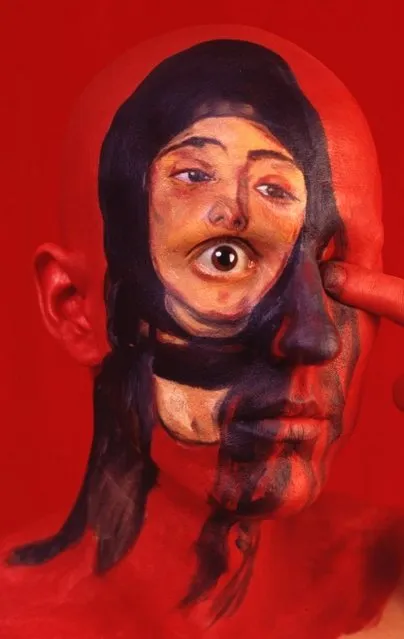
Captivating Human Body Paintings By Chadwick And Spector

New York City artists, Chadwick Gray and Laura Spector, currently residing in Chiang Mai, Thailand. They have been creating work together since they met in 1994. Their artwork has crossed over disciplines of photography, performance art, painting, video and even theater.
Details
04 Apr 2013 09:39:00
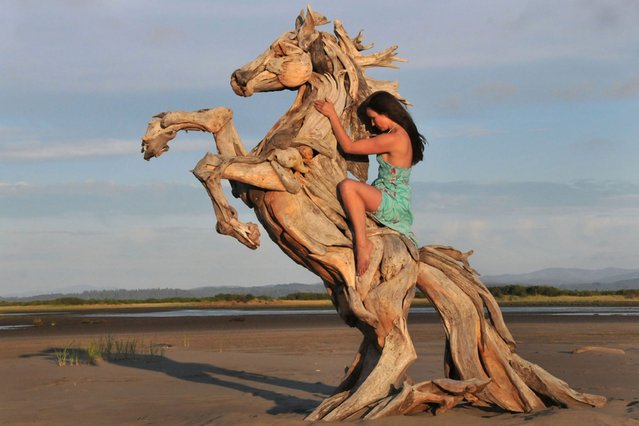
A horse sculpture entirely made from driftwood by artist Jeffro Uitto. (Photo by Jeff Uitto/Caters News)

Artist Jeff Uitto creates intricate sculptures from driftwood he finds along the coast of Washington. Uitto has sculpted wild horses, soaring eagles, and even a giraffe out of salvaged tree branches. But his work is more than giant animal sculptures. Uitto also has a clear talent for creating beautiful home furniture from driftwood. Finding the right piece of driftwood can take months, and the sculpting can take years.

Photo: A horse sculpture entirely made from driftwood by artist Jeffro Uitto. (Photo by Jeff Uitto/Caters News)
Details
28 Jun 2013 06:38:00
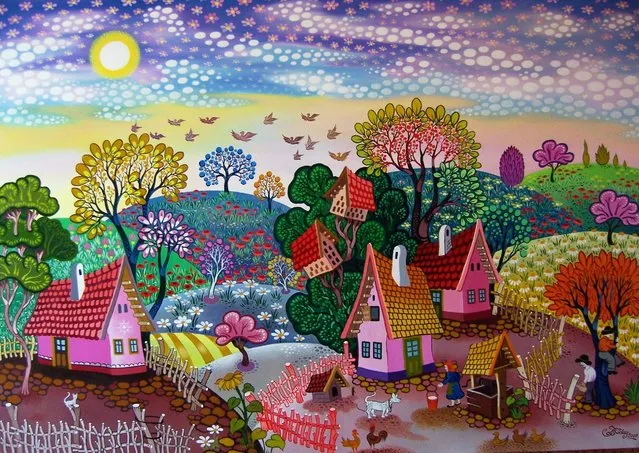
Painting By Koday Laszlo

Laszlo Koday was born in Hungary in 1945. In 1970 he began as a self-tought painter. The life and work of Henri Rousseau made a deep impression on him. His pictures are fairy tales expressed by pictorial means, human, animal and nature are equally important in them. There are bright, with unmixed pure colours, compositions wich spread calmness and gaiety. Kaday's works are know not only in Hungary but in many countries and are included in many private and public collections. His paintings can be found in galleries abroad, for example the GINA Gallery.
Details
23 Jul 2013 09:00:00
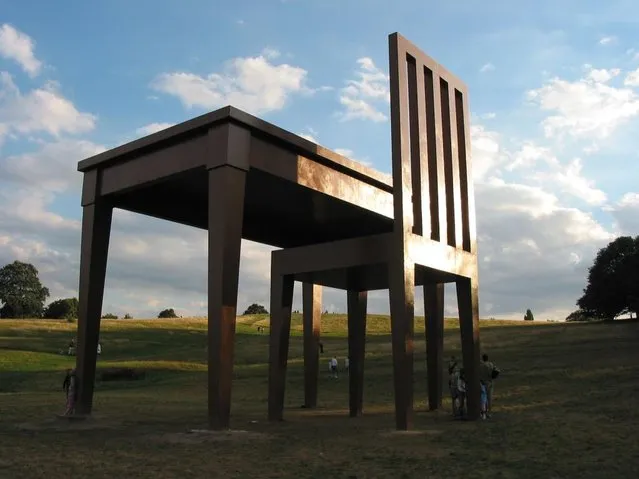
The Writer By Giancarlo Neri

A table and chair the size of a house have been captivating visitors to north London's Hampstead Heath. The 30ft (9m) sculpture, The Writer, will be on Parliament Hill for four months before returning to Italy.
Details
30 Jul 2013 11:31:00
Melting Sculptures By Livia Marin

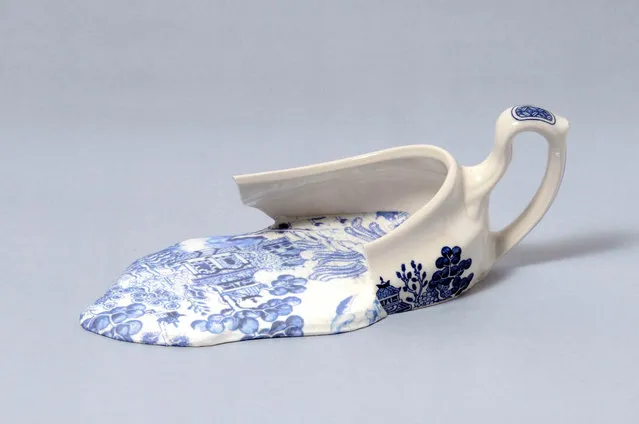
People are often fascinated by things that baffle them. For example, Livia Marin creates porcelain pottery that looks as if it has partially melted. This pottery might serve little purpose, yet it is definitely a curious thing to have in your house. This set of pictures shows off her “Nomad Patterns” series of deformed vases, pitchers, and teacups. The most appealing thing about these pieces of art is that the patterns on the “melted” parts are as beautiful as on the rest of the pottery. (Photo by Livia Marin)
Details
05 Nov 2014 12:14:00
Lochnagar Crater Somme In France

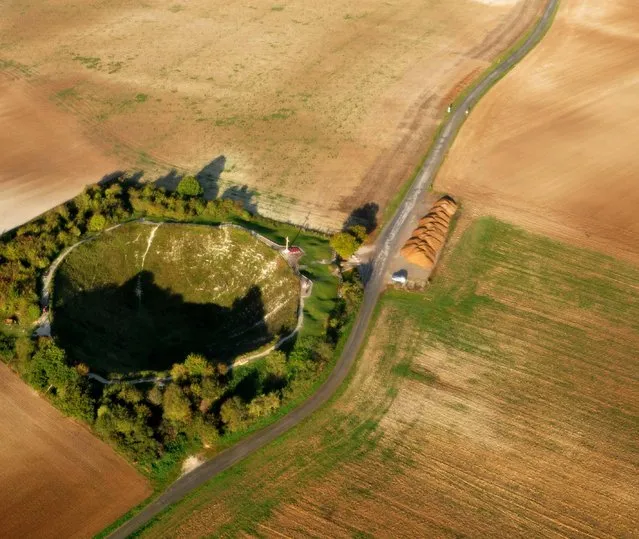
It is amazing how much the humanity can change the face of the earth. Not only can it create huge craters, which look a lot like craters from meteors, they leave a big enough impact that it can be seen from space. Though this crater, caused by a massive explosion on 1 July 1916, looks large, being 90 feet deep and 300 feet across; it is nowhere big enough to be viewed for space. A common misconception is that the Great Wall of China can be seen from space. In reality, however, it is impossible. Not only is it of the same color as the earth near it, it is also not that wide. Deforestation, on the other hand, can be clearly seen from space. Also, at night, all the lights that the large cities produce are also very visible.
Details
17 Nov 2014 12:48:00
Hawa Mahal India

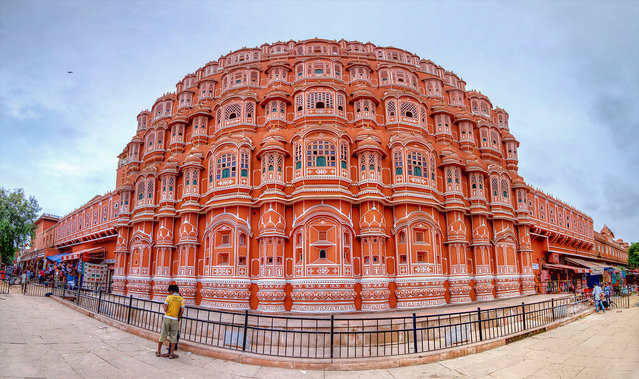
Hawa Mahal, which translates as the Palace of Winds, was built in 1799 by Maharaja Sawai Pratap Singh. The design of the palace was created by Shreyansh Jain to resemble the crown of Krishna. The design of this unique five-story building is akin to a honeycomb. The main purpose of this building was to allow royal ladies to watch the street below while remaining unseen, since during those times they had a strict code of dressing, which meant covering their faces. The palace was designed to produce the Venturi effect, which created natural air conditioning and kept the interior relatively cool during hot summers.
Details
22 Nov 2014 13:22:00