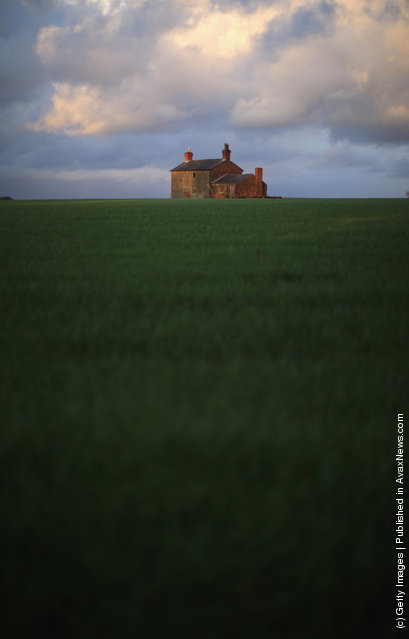
A derelict farm house adorns the horizon as it sits in a field in the Lancashire Countryside on January 26, 2012 in Burscough, England. (Photo by Christopher Furlong/Getty Images)
Underwater photographer of the year – winner. Dancing Octopus by Gabriel Barathieu (France). Location: Island of Mayotte, off the coast of south-east Africa. “Balletic and malevolent”, one judge said of this octopus, hunting in a lagoon. Barathieu waited until spring tides when there was just 30cm of water on the flats and plenty of light in the shallows. (Photo by Gabriel Barathieu/UPY2017)
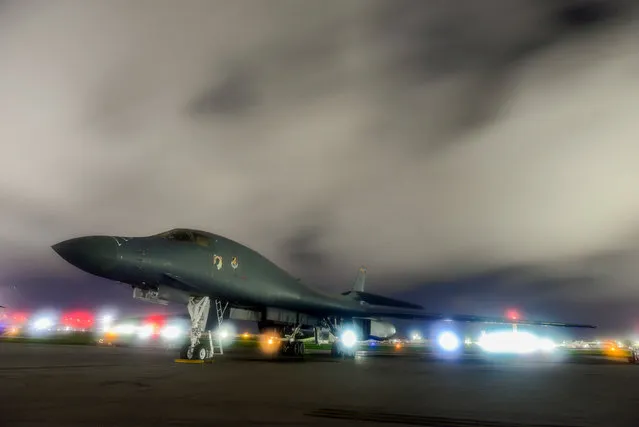
A U.S. Air Force B-1B Lancer bomber sits on the runway at Anderson Air Force Base, Guam July 18, 2017. (Photo by Airman 1st Class Christopher Quail/Reuters/U.S. Air Force)
A model walks the runway at the Agatha Ruiz de la Prada fashion show during the Mercedes Benz Fashion Week Madrid at Ifema on September 12, 2024 in Madrid, Spain. (Photo by Juan Naharro Gimenez/Getty Images)
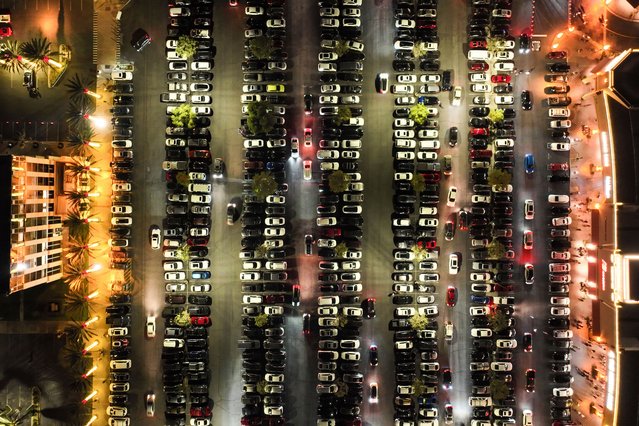
An aerial view shows a packed parking lot at Citadel Outlets in Commerce, Calif., Thursday, November 28, 2024, as early Black Friday shoppers arrive at the mall. (Photo by Jae C. Hong/AP Photo)
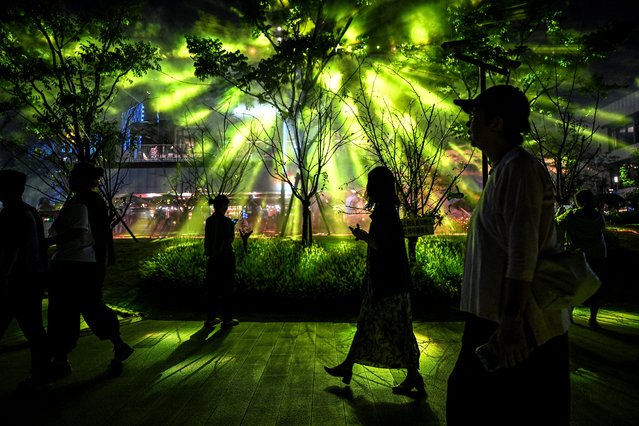
People walk under a light projection during the Shanghai International Light Festival at a shopping mall complex in Shanghai on September 22, 2025. (Photo by Jade Gao/AFP Photo)
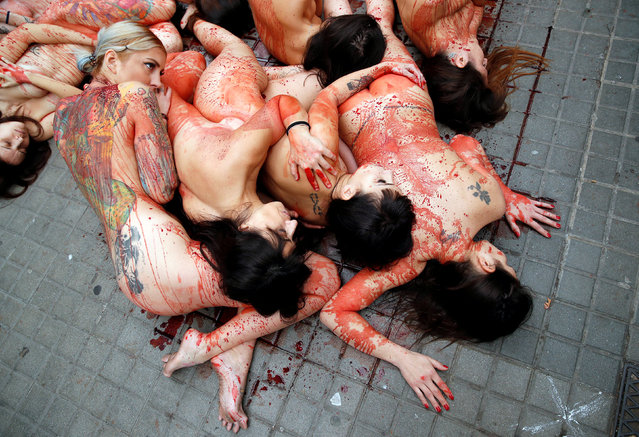
Naked activists for animal rights, covered in fake blood, perform during a protest against the use of fur and leather, at Catalunya Square in Barcelona, Spain, December 16, 2018. (Photo by Albert Gea/Reuters)
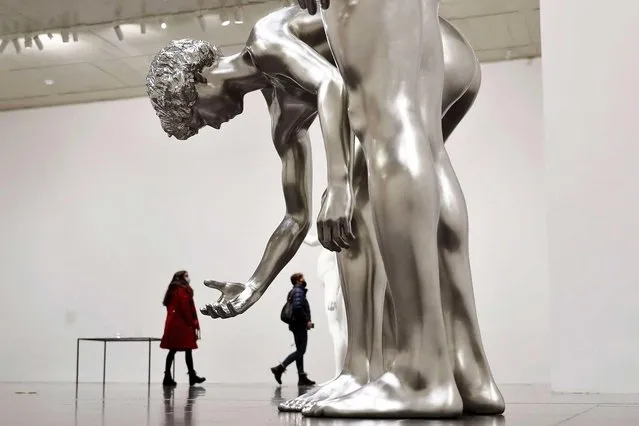
Sculptured figures titled “Huck and Jim” is on display at a press preview at The Met Fifth Avenue in New York City on Monday, January 24, 2022. (Photo by John Angelillo/UPI/Alamy Live News)