Loading...
Done
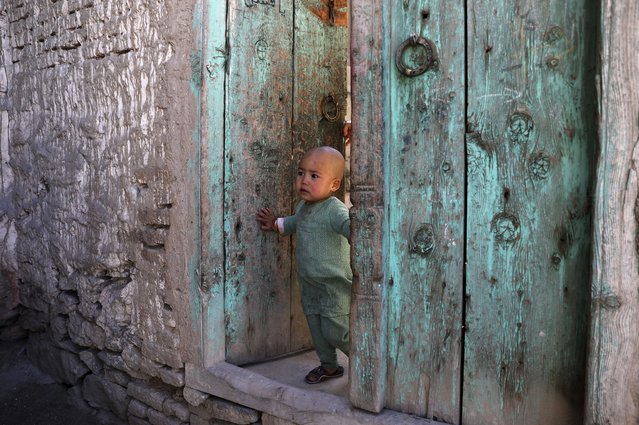
An Afghan girl stand in the doorway of her home in Kabul, Afghanistan, Monday, March 29, 2021. (Photo by Rahmat Gul/AP Photo)

An Afghan girl stand in the doorway of her home in Kabul, Afghanistan, Monday, March 29, 2021. (Photo by Rahmat Gul/AP Photo)
Details
07 May 2021 08:29:00
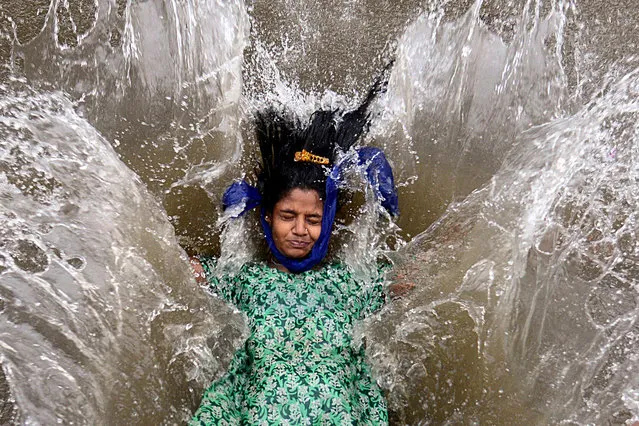
A girl plays in a waterlogged street following a heavy monsoon rainfall in Mumbai on June 9, 2021. (Photo by Sujit Jaiswal/AFP Photo)

A girl plays in a waterlogged street following a heavy monsoon rainfall in Mumbai on June 9, 2021. (Photo by Sujit Jaiswal/AFP Photo)
Details
20 Jun 2021 08:59:00
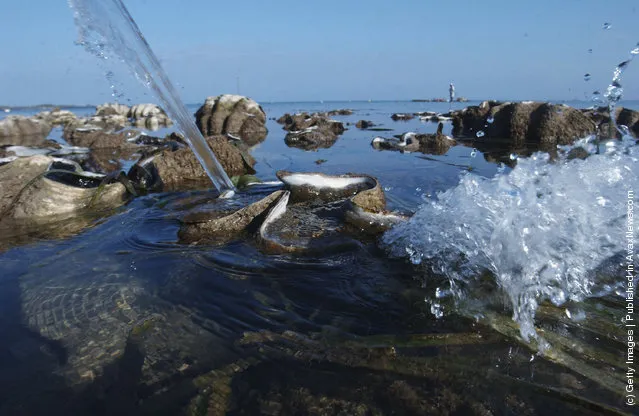
Tridacna Gigas, or Giant Clams

“The giant clam, Tridacna gigas (known as pā’ua in Cook Islands Māori), is the largest living bivalve mollusc. T. gigas is one of the most endangered clam species. It was mentioned as early as 1825 in scientific reports. One of a number of large clam species native to the shallow coral reefs of the South Pacific and Indian oceans, they can weigh more than 200 kilograms (440 lb) measure as much as 120 cm (47 in) across, and have an average lifespan in the wild of 100 years or more”. – Wikipedia

Photo: Tridacna Gigas, or Giant Clams spew water as a traditional fisherman passes by a small sanctuary on January 23, 2004 near Bolinao in the Northern Philippines. The clams, prime builders for coral reefs and providing shelter for spawning fish and other marine life, are exposed by low tides in the sanctuary. Overfishing and pollution throughout the country are not only threatening food security, but are also starting to choke one of the few working clam sanctuaries in the world. (Photo by David Greedy/Getty Images)
Details
01 Oct 2011 13:10:00
A physically challenged girl looks at her brother as she is kept in a basin to seek alms from people on the street in Kano, Nigeria December 30, 2015. (Photo by Reuters/Stringer)

A physically challenged girl looks at her brother as she is kept in a basin to seek alms from people on the street in Kano, Nigeria December 30, 2015. The girl has suffered from her condition since birth. (Photo by Reuters/Stringer)
Details
02 Jan 2016 11:18:00
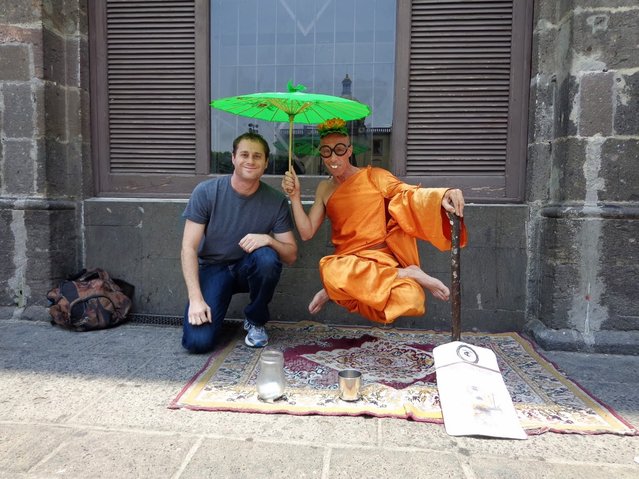
The Secret Of Levitation Street Yogis

Yogis and street performers have been simulating levitation with nifty contraptions forever. They appear to be held aloft via nothing but their preternatural mental prowess. But are really enjoying the benefits of basic physics just like the rest of us when we use a chair. However, just because it’s perfectly explainable doesn’t mean it isn’t nifty. I’m especially impressed by this 2-person version and am still trying to work out how exactly the chair they’re using is shaped at the base.


Details
28 Mar 2014 12:43:00
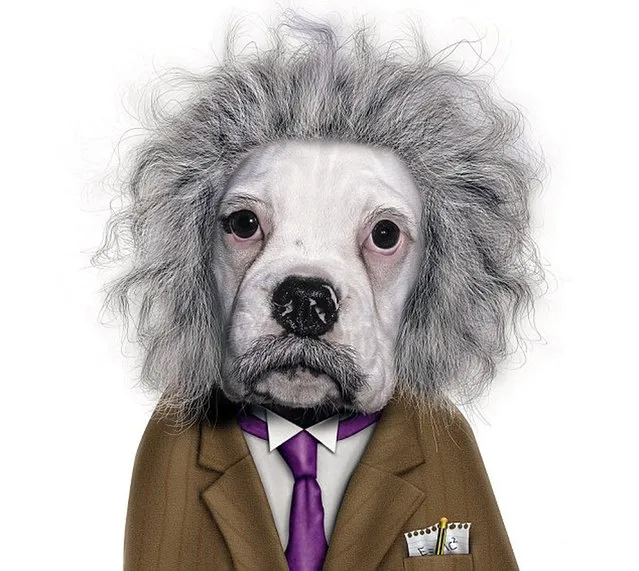
animals famous

The kiddipops has these animal celebrity portraits in a diary and they have always given us a giggle. The company behind them is ‘Takkoda‘- the name is derived from the Sioux word meaning ‘Friend to all’. The company was started by two couples with a love of animals; who see pets as being big personalities, not as ‘chocolate box’ images. Takkoda is all about funny images of our favourite friends. They photograph real pets in their homes and capture their natural expressions in their natural state! Later they develop their characters by dressing them up digitally to bring out their iconic personalities.
Details
07 Jul 2012 06:22:00
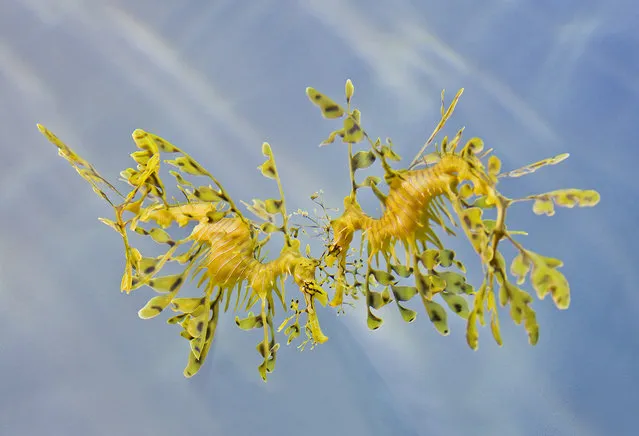
Leafy sea dragon

The leafy seadragon or Glauert's seadragon, Phycodurus eques, is a marine fish in the family Syngnathidae, which also includes the seahorses. It is the only member of the genus Phycodurus. It is found along the southern and western coasts of Australia. The name is derived from the appearance, with long leaf-like protrusions coming from all over the body. These protrusions are not used for propulsion; they serve only as camouflage. The leafy seadragon propels itself by means of a pectoral fin on the ridge of its neck and a dorsal fin on its back closer to the tail end. These small fins are almost completely transparent and difficult to see as they undulate minutely to move the creature sedately through the water, completing the illusion of floating seaweed.
Details
05 Sep 2012 08:51:00


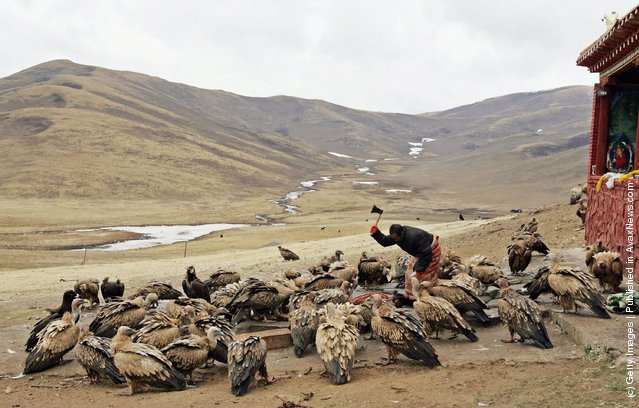
“Sky burial or ritual dissection was once a common funerary practice in Tibet wherein a human corpse is cut in specific locations and placed on a mountaintop, exposing it to the elements or the mahabhuta and animals – especially to birds of prey. The location of the sky burial preparation and place of execution are understood in the Vajrayana traditions as charnel grounds. In Tibet the practice is known as jhator, which literally means, «giving alms to the birds»”. – Wikipedia

Photo: A burial master chops bones of a body to feed vultures during a celestial burial ceremony on April 19, 2006 in Dari County of Guoluo Prefecture, Qinghai Province, northwest China. Celestial burial is a traditional funeral of Tibetan people, which began in the 7th century. (Photo by China Photos/Getty Images)
Details
18 Jun 2011 12:12:00