Loading...
Done
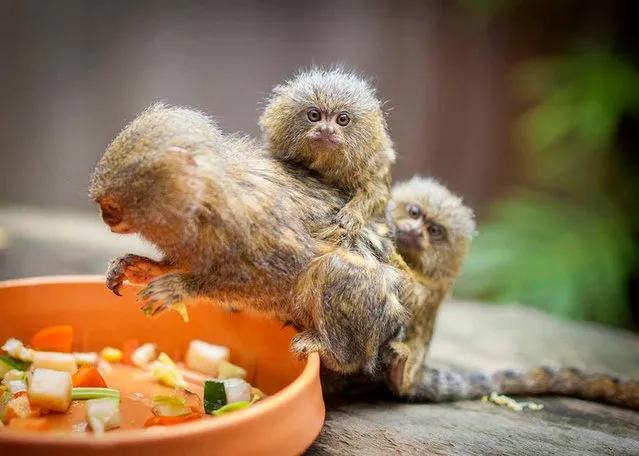
An undated handout picture made available by the Symbio Wildlife Park on 28 November 2016 shows three Pygmy Marmoset monkeys including an adult male, a female juvenile and a four-week-old baby, at the Symbio Wildlife Park in Helensburgh, South of Sydney, New South Wales, Australia. Officers were called to the wildlife park in Helensburgh on 26 November, after staff discovered the monkeys were missing from their enclosure. According to reports on 27 November, two men have been charged with stealing the three rare monkeys after they were found while driving south-west Sydney with one of the missing monkeys, the four-week-old one. Wollongong Police found the missing female juvenile, Sofia, in the Campbelltown area on 27 November, and returned her to the care of the zoo. The male marmoset, father “Gomez”, was reported still missing. (Photo by EPA/Symbio Wildlife Park)

An undated handout picture made available by the Symbio Wildlife Park on 28 November 2016 shows three Pygmy Marmoset monkeys including an adult male, a female juvenile and a four-week-old baby, at the Symbio Wildlife Park in Helensburgh, South of Sydney, New South Wales, Australia. (Photo by EPA/Symbio Wildlife Park)
Details
04 Dec 2016 09:58:00
Antarctic World Record Attempt

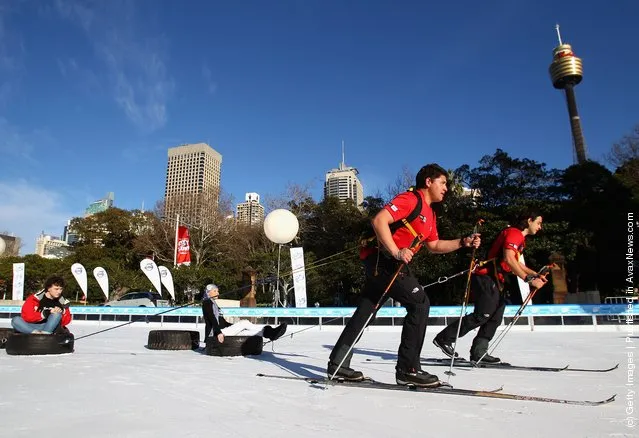
James Castrission, “Cas” and Justin Jones “Jonesy” ski across an ice staking rink with two “You Can” patients on August 2, 2011 in Sydney, Australia. In 75 days, the Aussie adventure pair will attempt to cross 2,200 kilometres of Antarctic ice to the South Pole and back on foot to raise money for youth with cancer. The journey will require the two to trek with all the supplies for approximately three months of walking. Cas and Jonesy became the first to kayak unassisted over 3,300 kilometres from New Zealand to Australia in 2008. (Photo by Ryan Pierse/Getty Images)
Details
02 Aug 2011 14:00:00
Glass Sculptures By Ben Young

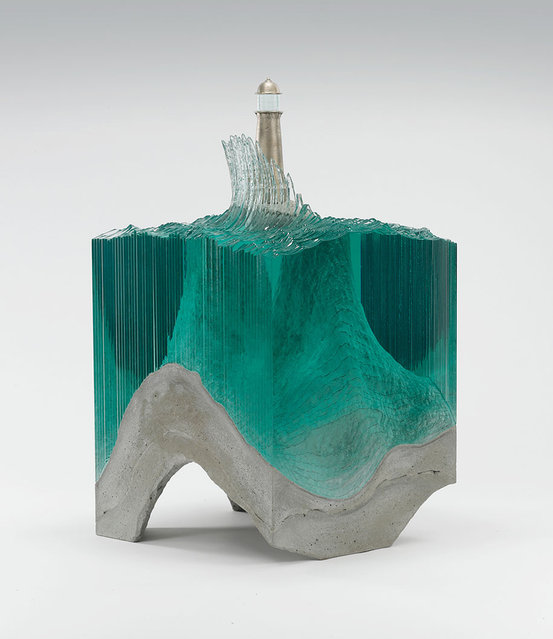
Sculptor Ben Young (previously) just unveiled a collection of new glass sculptures prior to the Sculpture Objects Functional Art + Design (SOFA) Fair in Chicago next month. Young works with laminated clear float glass atop cast concrete bases to create cross-section views of ocean waves that look somewhat like patterns in topographical charts. The self-taught artist is currently based in Sydney but was raised in Waihi Beach, New Zealand, where the local landscape and surroundings greatly inspired his art.
Details
13 Jun 2015 10:08:00
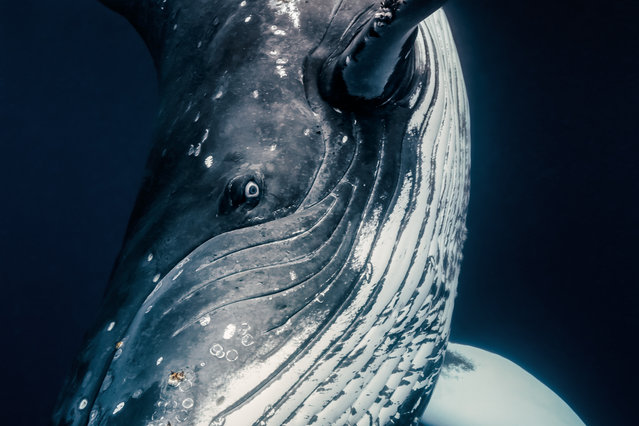
“To look into a whale’s eye is life-changing and humbling. Well, it’s the same with dolphins but they are mostly very fast in the water. A whale’s eye is unexpectedly looking, just like a human eye, kinda checking you out”. (Photo by Rita Kluge/The Guardian)

With the humpback calving season drawing to a close, here’s a look at some of Rita Kluge’s distinctive marine photos from the south Pacific. The Sydney-based photographer fell in love with whales after witnessing southern rights from the New South Wales coastline as they travelled to and from their feeding grounds in the Antarctic. She has since been to Tonga, where humpbacks breed and calf in winter months, to photograph them in the water. (Photo by Rita Kluge/The Guardian)
Details
26 Oct 2016 11:09:00
Of all the species affected by river regulation in Australia, the ibis is one of the few that has changed its behaviour and moved to coastal cities. (Photo by Rick Stevens/The Guardian)

Tip turkey, dumpster chook, rubbish raptor – the Australian white ibis goes by many unflattering names. But it is a true urban success story, scavenging to survive in cities across Australia as wetlands have been lost. Wildlife photographer Rick Stevens captured them in Sydney. Here: Of all the species affected by river regulation in Australia, the ibis is one of the few that has changed its behaviour and moved to coastal cities. (Photo by Rick Stevens/The Guardian)
Details
11 Apr 2018 00:03:00
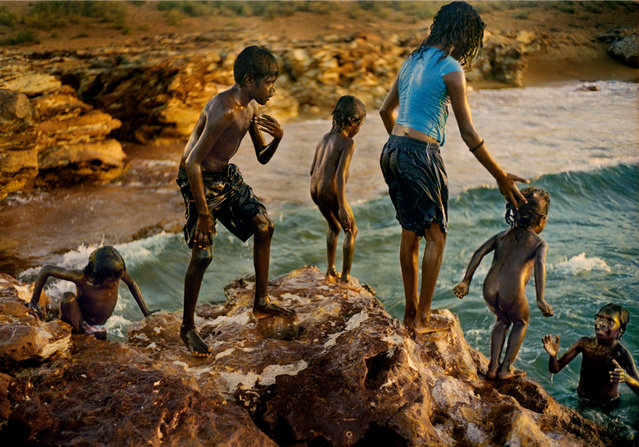
Children Cooling Off at Dhiari Homeland. Local children get wet and cool in Arnhem Land. (Photo by Matthew Abbott/Australian Life Prize 2015)

From the rocks of Arnhem Land to the backyards of the Sydney suburbs, from stretching by the pool to waiting for evening prayer, snapshots for the 2015 Australian Life prize demonstrated a nation in colour and motion. Here: Children Cooling Off at Dhiari Homeland. Local children get wet and cool in Arnhem Land. (Photo by Matthew Abbott/Australian Life Prize 2015)
Details
23 Nov 2015 08:03:00


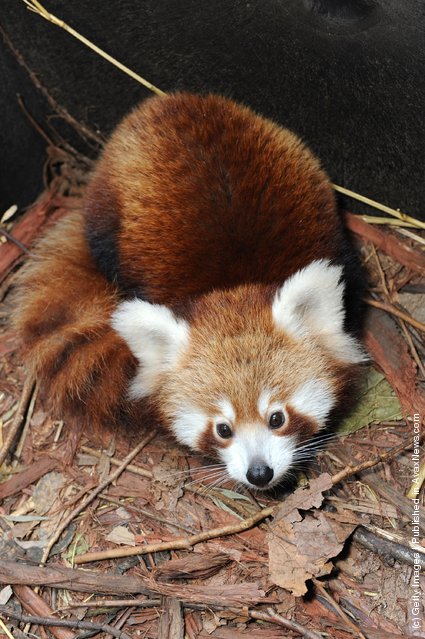
“The red panda (Ailurus fulgens, or shining-cat), is a small arboreal mammal native to the eastern Himalayas and southwestern China. It is the only species of the genus Ailurus. Slightly larger than a domestic cat, it has reddish-brown fur, a long, shaggy tail, and a waddling gait due to its shorter front legs. It feeds mainly on bamboo, but is omnivorous and may also eat eggs, birds, insects, and small mammals. It is a solitary animal, mainly active from dusk to dawn, and is largely sedentary during the day”. – Wikipedia

Photo: In this handout image provided by Taronga Zoo, Seba, a baby Red Panda, explores his new home at Taronga Zoo on April 7, 2011 in Sydney, Australia. The Red Panda cub was born at Christmas and is the 45th to be born at the zoo since 1977. (Photo by Peter Hardin/Taronga Zoo via Getty Images)

Details
07 Apr 2011 08:51:00


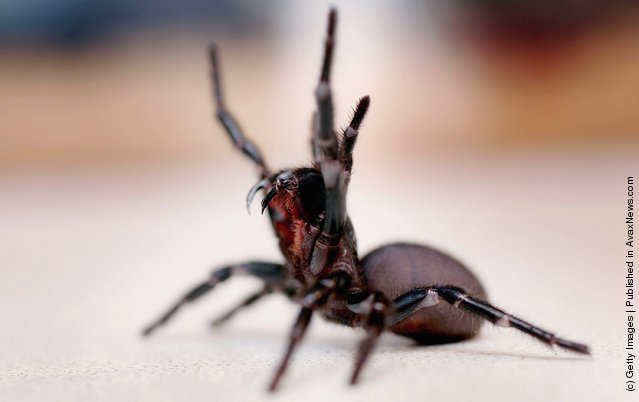
A Funnel Web spider is pictured at the Australian Reptile Park January 23, 2006 in Sydney, Australia. The Funnel Web is one of Australia's deadliest animals, with a venom that is packed with at least 40 different toxic proteins. A bite from a Funnel Web causes massive electrical over-load in the body's nervous system. Finally, fatalities occur from either heart attack or a pulmonary oedema, where the capillaries around the lungs begin to leak fluid and the patient effectively drowns. Death can come as quickly as two hours after a bite if no medical treatment is sought. Due to advances in anti-venom, there has been no death from a Funnel Web bite in Australia since 1980. Australia is home to some of the most deadly and poisonous animals on earth. (Photo by Ian Waldie/Getty Images)
Details
25 Apr 2011 07:49:00