Loading...
Done
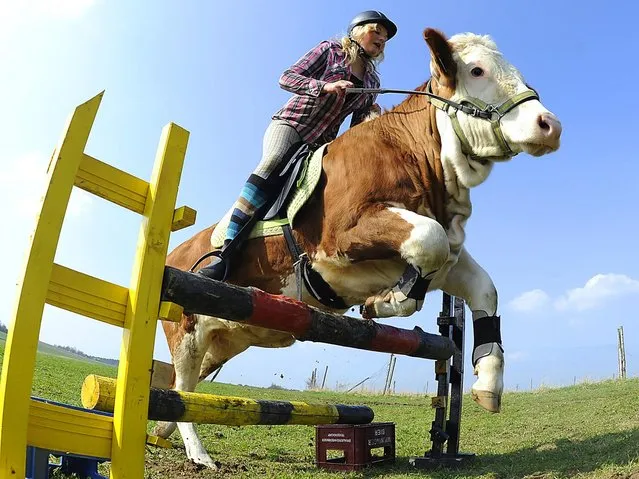
Luna The Leaping Cow

A 15-year-old girl denied a horse from her parents has turned to a cow to fulfil her riding dreams. Teenager Regina Mayer, from southern Germany, is able to ride her cow, Luna. She has even trained her bovine pet to soar over a beer-crate hurdle like a regular show jumper. Why, you may well ask, when most cow-owners are surely content to let the creatures chew and lactate and sit down to indicate the imminent arrival of rain? Well, Regina's parents wouldn't let her have a horse.

Details
05 Jun 2014 10:38:00
How This Man’s Saved A Duckling

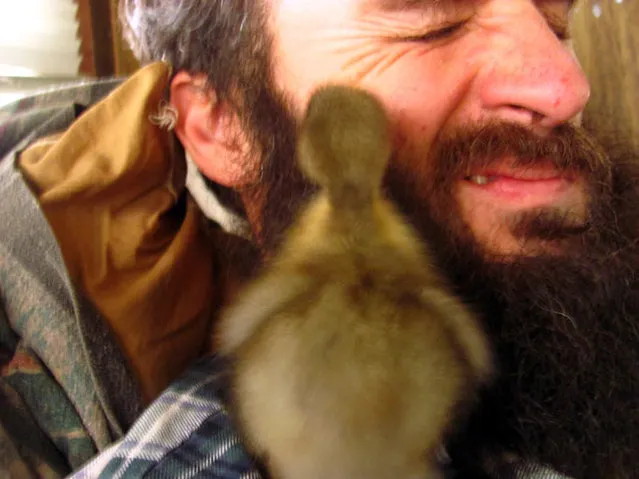
If we asked you to think of your favorite cute animal, you might not immediately list a duck, but when you see this Reddit user and his pet duckling Peeps you may change your mind. Peeps is fuzzy, he’s lovable and he grew up in a beard (really). The man initially bought Peeps as an egg, thinking he was a chicken. He was wrong, but he didn’t care, it turned out to be one of the cutest friendships ever.
Details
27 Jan 2014 11:29:00
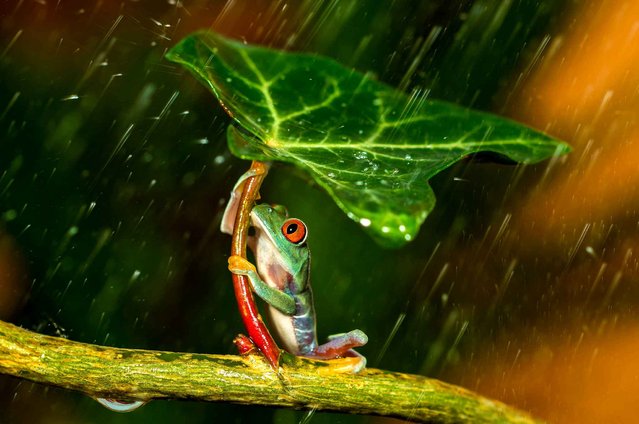
“Ohh no :( Raining”. (Photo by Kutub Uddin)

This photo was caught on camera by amateur photographer Kutub Uddin, 27, and was taken in his back garden in Bognor Regis, West Sussex. The red-eyed tree frogs have been Mr Uddin's pets for four months and he often lets them out to roam around his garden. Photo: “Ohh no :( Raining”. (Photo by Kutub Uddin)
Details
30 Jan 2014 08:42:00
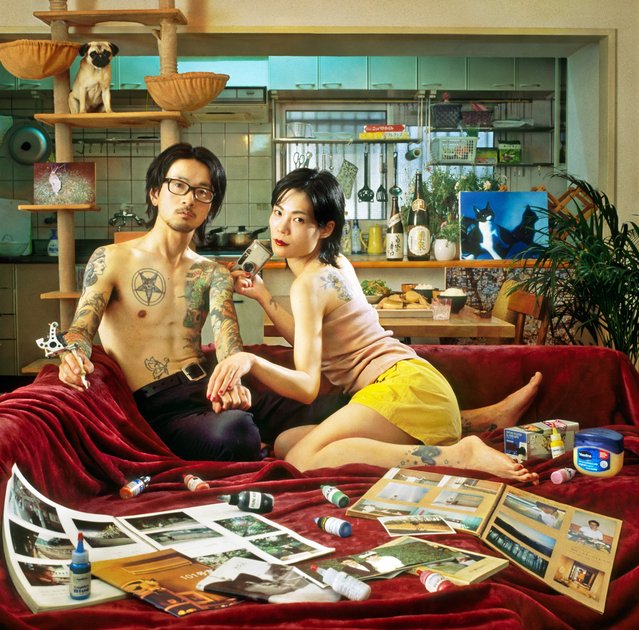
Sakura and Kazuhiro, Tokyo, 2015. Kazuhiro is a tattoo artist and Sakura is a photographer. They love cooking, live with their dog and two cats and each have the date of their wedding tattooed to their ring fingers. (Photo by Mami Kiyoshi/Galerie Annie Gabrielli/The Guardian)

Japanese artist Mami Kiyoshi has spent 15 years creating vivid portraits of people surrounded by their belongings – from wine bottles and violins to the odd stray pet. Mami Kiyoshi’s ongoing series “New Reading Portraits” is, in part, a nod to the mise-en-scène found in traditional woodcut printing. Here: Sakura and Kazuhiro, Tokyo, 2015. (Photo by Mami Kiyoshi/Galerie Annie Gabrielli/The Guardian)
Details
04 Aug 2017 08:48:00
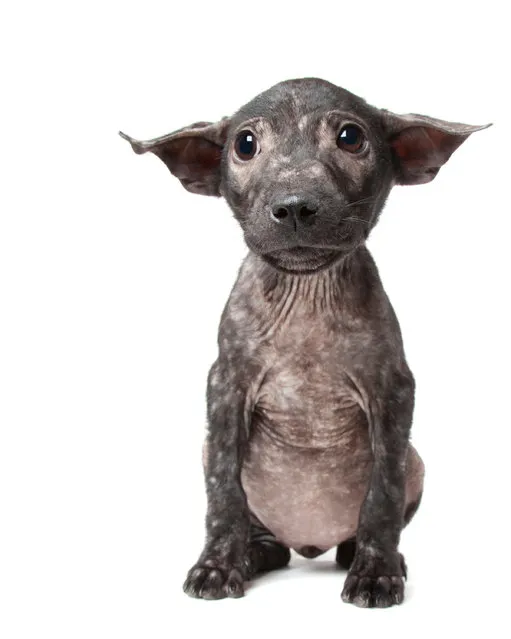
“Bali Pip”. Bali street dog. Had the skin condition mange. (Photo by Alex Cearns/The Guardian)

For her book “Perfect Imperfection”, the Australian pet photographer Alex Cearns set out to capture the personalities of animals who adapt to their damaged or different bodies without complaint. Part of the proceeds from sales of Perfect Imperfection go to the Australian Animal Cancer Foundation. Here: “Bali Pip”. Bali street dog. Had the skin condition mange. (Photo by Alex Cearns/The Guardian)
Details
06 Apr 2018 00:03:00
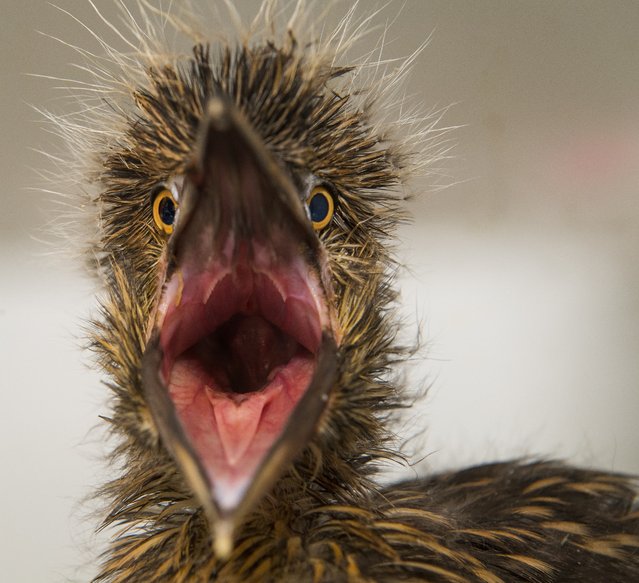
A baby Black-crowned Night Heron squawks in its incubator while being cared for at City Wildlife rescue and rehabilitation center in Washington, DC on May 31, 2017. The heron is one of several that have been brought to CW by the staff at The National Zoo over the past few years. The heron is a native bird and has made an established rookery inside the zoo grounds over a hundred years ago.  Every year at this time, some of the chicks get pushed or fall out of the nest and require human care.  Because the birds are native and not part of the Smithsonian collection, they partnered with CW to rehabilitate the herons for re-release back to the flock inside Zoo. They're reintroduced back to their flock so that they can migrate together in the Fall. The Black-crowned heron usually migrates from the DC area down to southeast North Carolina, some going as far as Jacksonville, FL in winter. The Black-crowned heron is the species of greatest conservation need in the District of Columbia because their numbers are in such rapid decline due to habitat loss. (Photo Linda Davidson/The Washington Post)

A baby Black-crowned Night Heron squawks in its incubator while being cared for at City Wildlife rescue and rehabilitation center in Washington, DC on May 31, 2017. The heron is one of several that have been brought to CW by the staff at The National Zoo over the past few years. (Photo Linda Davidson/The Washington Post)
Details
04 Jun 2017 08:04:00
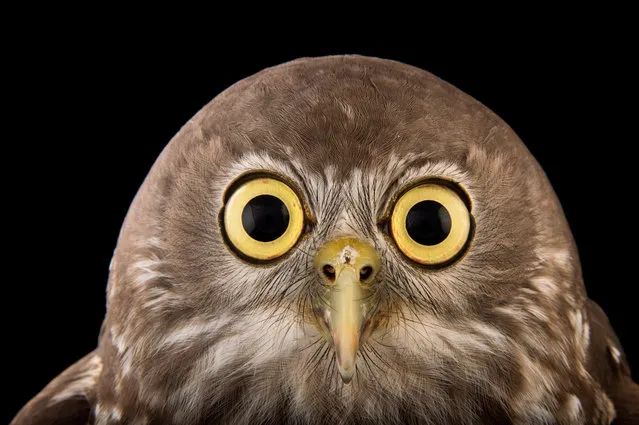
The National Geographic Photo Ark is a travelling exhibition of photographer Joel Sartore’s quest to create a photo archive of biodiversity around the world. So far, Sartore has captured studio portraits of more than 6,000 species – a number that he hopes to double. On 1 July, the ark will open at Melbourne zoo – the first time it has been exhibited in the southern hemisphere. More than 50 portraits will be on display, including many of Australian endangered animals being protected by programs at the zoo itself. These captions have been edited from text supplied by Melbourne zoo. Here: Barking owl. So-named because its call sounds like a barking dog, these birds are native to Australia, Indonesia and Papua New Guinea. In Victoria they are listed as an endangered species, and in 2003 there were estimated to be fewer than 50 breeding pairs. The main threat to the species in Victoria is loss of habitat, especially large trees with hollows in which they can nest and on which many of their prey depend. Apart from a bark, they may utter a chilling scream when they feel threatened. (Photo by Joel Sartore/National Geographic Photo Ark/The Guardian)

The National Geographic Photo Ark is a travelling exhibition of photographer Joel Sartore’s quest to create a photo archive of biodiversity around the world. So far, Sartore has captured studio portraits of more than 6,000 species – a number that he hopes to double. On 1 July, the ark will open at Melbourne zoo – the first time it has been exhibited in the southern hemisphere. More than 50 portraits will be on display, including many of Australian endangered animals being protected by programs at the zoo itself. These captions have been edited from text supplied by Melbourne zoo. Here: Barking owl. (Photo by Joel Sartore/National Geographic Photo Ark/The Guardian)
Details
01 Jul 2017 07:45:00
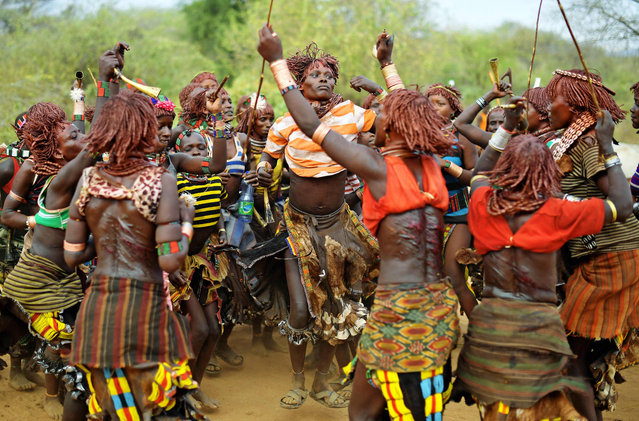
Hamar women dance before a bull jumping ceremony in Ethiopia's southern Omo Valley region near Turmi on September 19, 2016. The Hamar are a Nilotic ethnic group in Ethiopia. The construction of the Gibe III dam, the third largest hydroelectric plant in Africa, and large areas of very “thirsty” cotton and sugar plantations and factories along the Omo river are impacting heavily on the lives of tribes living in the Omo Valley who depend on the river for their survival and way of life. Human rights groups fear for the future of the tribes if they are forced to scatter, give up traditional ways through loss of land or ability to keep cattle as globalisation and development increases. (Photo by Carl De Souza/AFP Photo)

Hamar women dance before a bull jumping ceremony in Ethiopia's southern Omo Valley region near Turmi on September 19, 2016. The Hamar are a Nilotic ethnic group in Ethiopia. The construction of the Gibe III dam, the third largest hydroelectric plant in Africa, and large areas of very “thirsty” cotton and sugar plantations and factories along the Omo river are impacting heavily on the lives of tribes living in the Omo Valley who depend on the river for their survival and way of life. (Photo by Carl De Souza/AFP Photo)
Details
02 Oct 2016 08:45:00