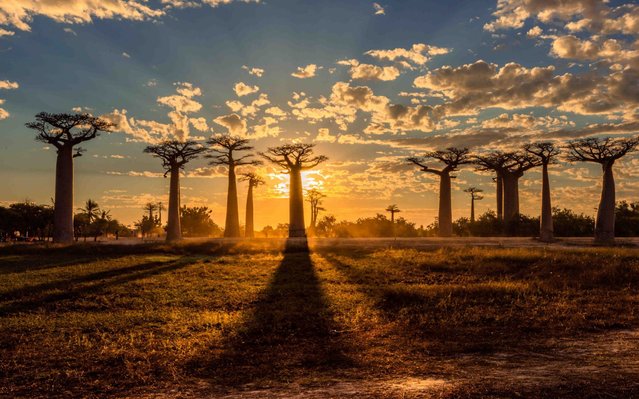
Madagascan sunset setting over the 98-foot-tall baobab trees of the Avenue of the Baobabs located in Menabe, Madagascar on August 2020. (Photo by Kim Paffen/MediaDrumImages)
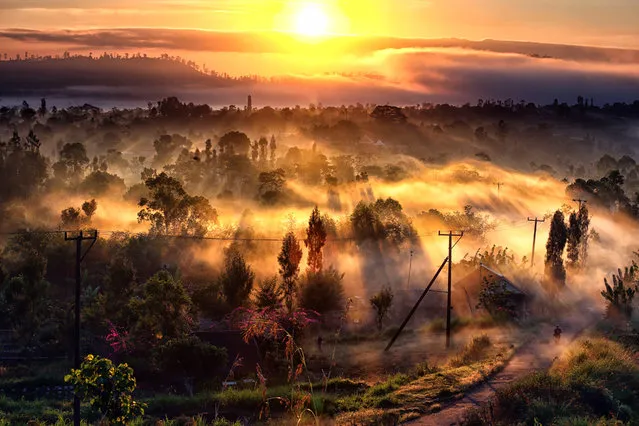
“Misty Morning”. Every morning, people expect sunny weather. Photo location: Bali, Indonesia. (Photo and caption by Henry Adam/National Geographic Photo Contest)
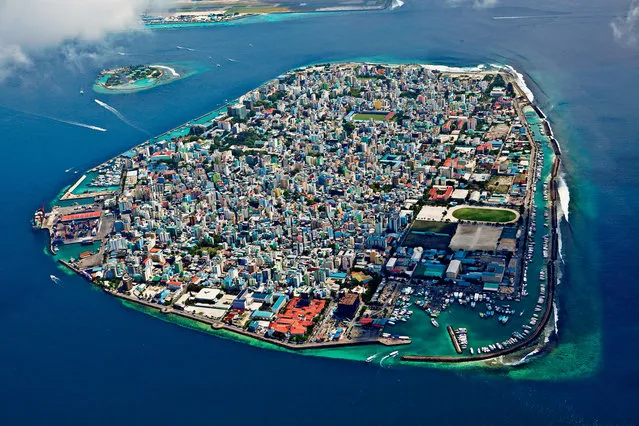
Male is the capital and most populous city in the Republic of Maldives. The city is geographically located at the southern edge of North Malé Atoll (Kaafu Atoll). Administratively, it is a city-class constituency and is governed by the Malé City Council. Traditionally it was the King's Island, from where the ancient Maldive Royal dynasties ruled and where the palace was located. The city was then called “Mahal”. Formerly it was a walled city surrounded by fortifications and gates (doroshi).
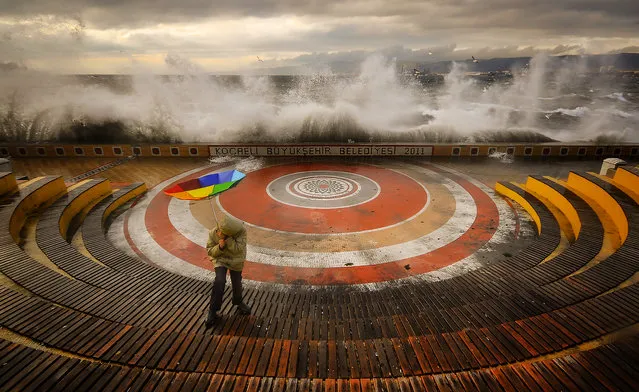
Honorable Mention: “The Storm”. During I was taking photo with my nephew, the storm came and I caught this beautiful moment. Photo location: Kocaeli, Turkey. (Photo and caption by Aytül Akbaş/National Geographic Photo Contest)
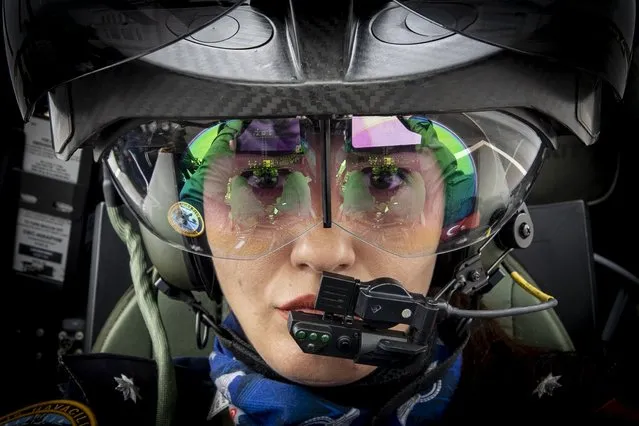
The first female attack helicopter pilot of Türkiye's Atak helicopter, Deputy Commissioner Özge Karabulut, undisclosed location, Türkiye, January 6, 2022. (Photo by Anadolu Agency via Getty Images)
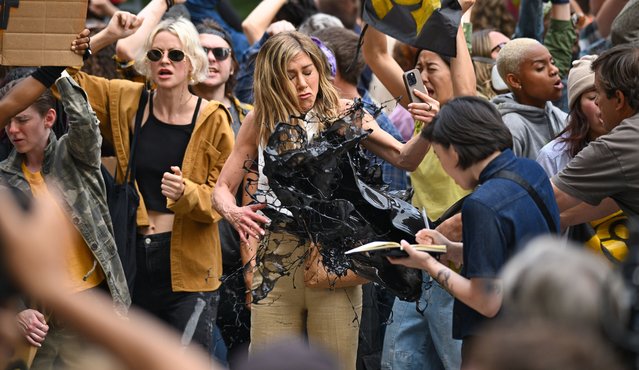
Actress Jennifer Aniston is seen filming on location for “The Morning Show” in the Flatiron District on July 28, 2024 in New York City. (Photo by James Devaney/GC Images)
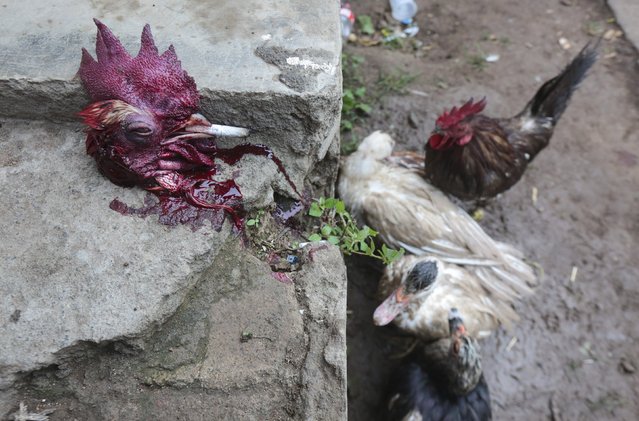
The head of a decapitated rooster is pictured after a rooster run, during celebrations in honour of San Juan Bautista in San Juan de Oriente town, Nicaragua, June 26, 2015. The rooster runs, where horse-riders try to pull the head off live roosters, symbolize the beheading of John the Baptist. (Photo by Oswaldo Rivas/Reuters)
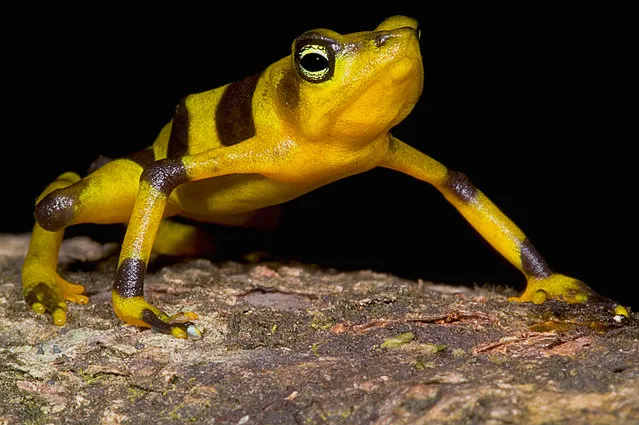
Wildlife photographer Danté Fenolio has headed into areas untouched by sunlight – deep seas, caves and underground – and found creatures that are exploding with colour. Here: The golden harlequin toad has vanished from the wild, and only a small number live on in captivity. A fungus caused them, and many other amphibians, to die out in their home in Central America. (Photo by Danté Fenolio/The Guardian/Johns Hopkins University Press)