Sophia Weisberg of Brazil competes on the balance beam during the 53rd Artistic Gymnastics World Championships in Jakarta, Indonesia, October 21, 2025. (Photo by Dita Alangkara/AP Photo)
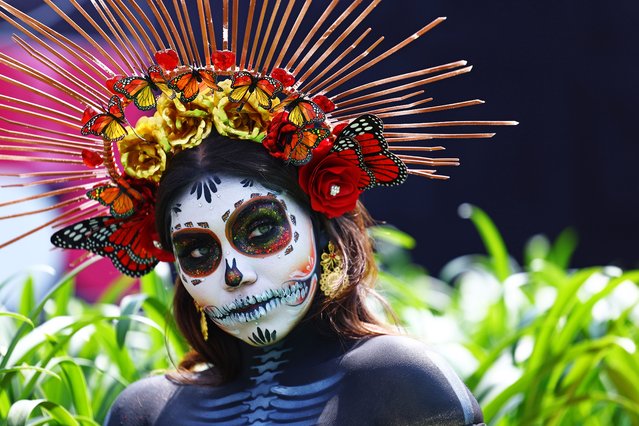
A Day of the Dead performer is seen in the Paddock during previews ahead of the F1 Grand Prix of Mexico at Autodromo Hermanos Rodriguez on October 24, 2024 in Mexico City, Mexico. (Photo by Mark Thompson/Getty Images)
Kilgore College Rangerettes perform in front of spectators during London's New Year's Day Parade in London, United Kingdom on January 01, 2025. The annual parade attracts 500,000 audience lining the streets in central London to watch performances by 10,000 participants from the USA, UK and Europe. (Photo by Wiktor Szymanowicz/Anadolu via Getty Images)
In this photo released by the Israeli military, Emily Damari, right, and her mother, Mandy, embrace near kibbutz Re’im, Israel, after Emily was released from captivity by Hamas militants in Gaza on Sunday, January 19, 2025. Three Israeli hostages and 90 Palestinian prisoners were released as part of the first phase of a long-awaited ceasefire deal between Hamas and Israel. (Photo by Israel Defense Forces)
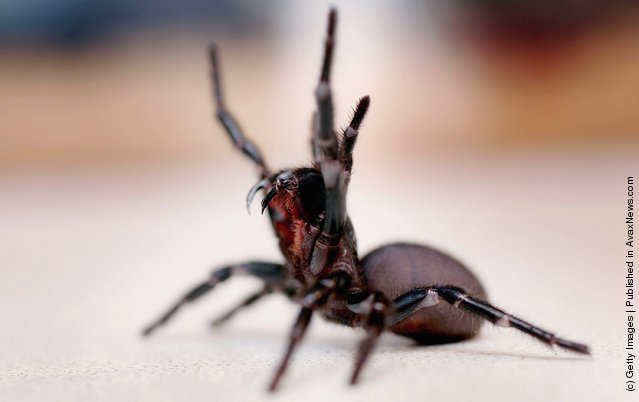
A Funnel Web spider is pictured at the Australian Reptile Park January 23, 2006 in Sydney, Australia. The Funnel Web is one of Australia's deadliest animals, with a venom that is packed with at least 40 different toxic proteins. A bite from a Funnel Web causes massive electrical over-load in the body's nervous system. Finally, fatalities occur from either heart attack or a pulmonary oedema, where the capillaries around the lungs begin to leak fluid and the patient effectively drowns. Death can come as quickly as two hours after a bite if no medical treatment is sought. Due to advances in anti-venom, there has been no death from a Funnel Web bite in Australia since 1980. Australia is home to some of the most deadly and poisonous animals on earth. (Photo by Ian Waldie/Getty Images)
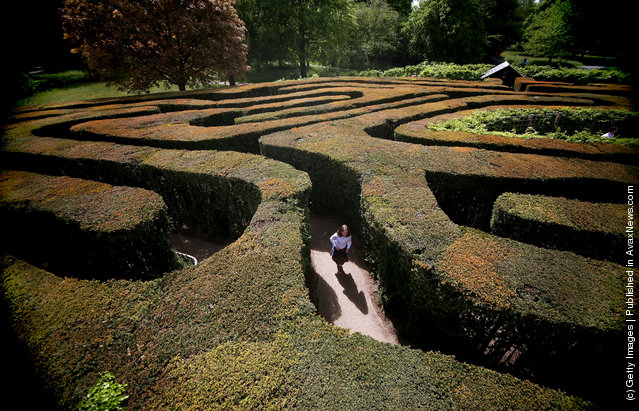
A young girl navigates her way around Hampton Court maze in the spring sunshine on May 2, 2009 in London, England. The Hampton Court maze is one of the most famous hedge mazes in the world and was planted between 1689 and 1695 by George London and Henry Wise. (Photo by Dan Kitwood/Getty Images)