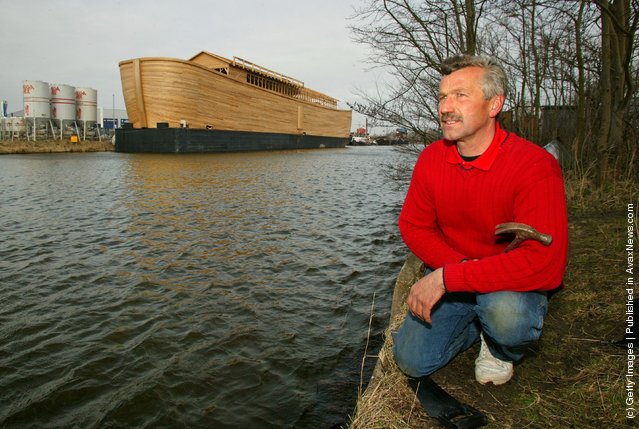
A 70-metre-long Noah's Ark replica constructed of steel and American cedar on March 31, 2005 in Schagen, Netherlands. (Photo by Michel Porro/Getty Images)
An Zi, is squashed amongst other commuters in a subway train on his way to work in Beijing, China, November 12, 2015. An, a movie producer, moved to Dongsanqi village in Changping this year. His commute to work can take about 2 hours, with transportation costs topping 200 yuan a month, or about a fifth of his monthly rent. (Photo by Jason Lee/Reuters)
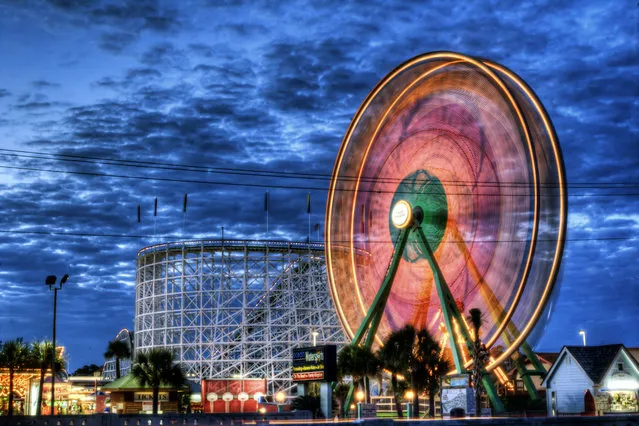
We see what Ferris wheels look like when captured using a longer exposure (i.e., shutter left open, typically 2 seconds or more). The lights that adorn the Ferris Wheels blend and blur, creating brilliant patterns and beautiful photos.
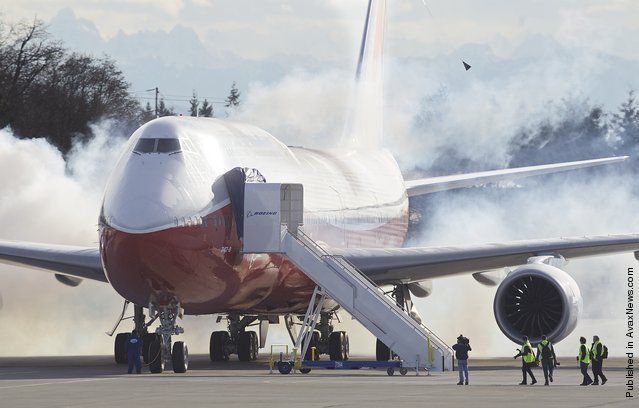
The Boeing 747-8 Intercontinental airliner, the company's newest and largest passenger plane, takes off for its first test flight at Paine Field Airport March 20, 2011 in Everett, Washington. The new plane features quieter, more fuel efficient engines, more seating and a redesigned interior.
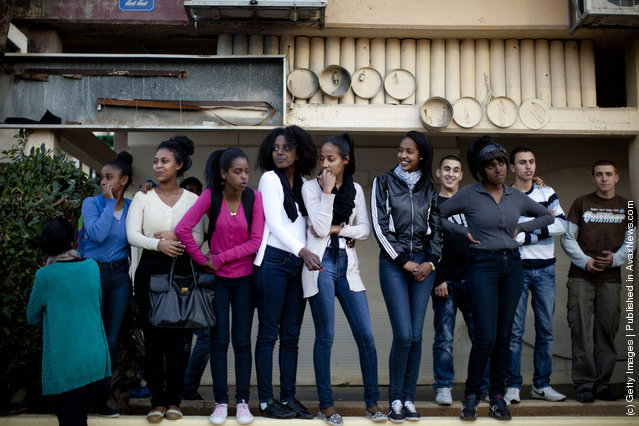
Israelis of Ethiopian origin take part in a rally against racism on January 10, 2012, in the southern Israeli town of Kiryat Malachi, Israel. Hundreds of demonstrators hit the streets of Kiryat Malachi, protesting what they call the discrimination of Ethiopian immigrants. According to Ethiopian residents of Kiryat Malachi, housing committees in the city have been refusing to sell them apartments. (Photo by Uriel Sinai/Getty Images)
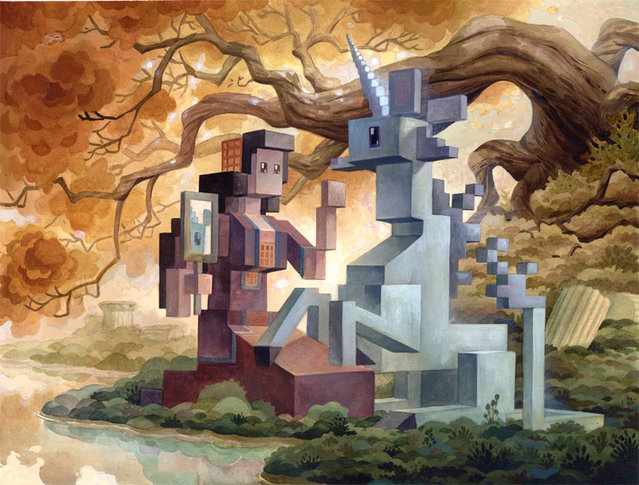
These Laura Bifano “Menagerie” images will surely mess with your eyes as you begin to lose sight of what’s real and what’s virtual. Inspired by her love of nature and of video game graphics, this artist made a unique collection of painted, pixelated animals, fusing the two distinct aesthetics in a harmonious and breathtaking manner.
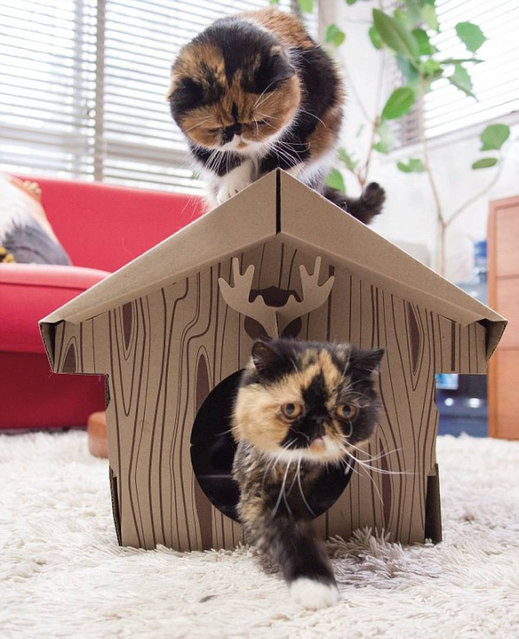
Memebon is an Exotic Shorthair kitten, a breed that comes from the Persian cat but with shorter hair. It is a new breed , that is known for affectionate and loyal cats.
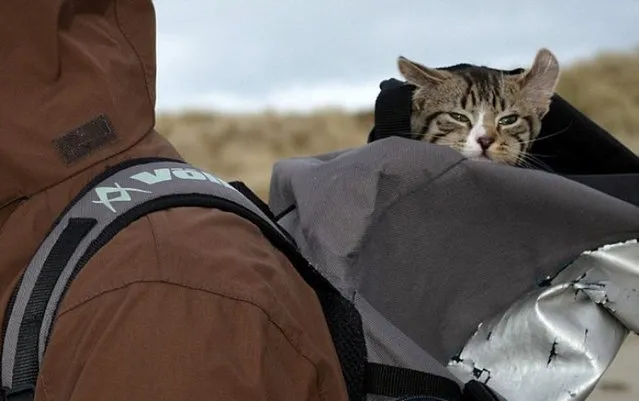
Higgs the kitten loves exploring the great outdoors - by going on holiday in his owner’s rucksack.
The adorable five-month-old took his first steps outdoors while holidaying in the Highlands with owners Christian Witte and Kimia Mohammadi last month. But scared by the strong winds along the coastline of Sanna Bay, he scrambled up on Christian's back before hopping into his backpack.