Loading...
Done
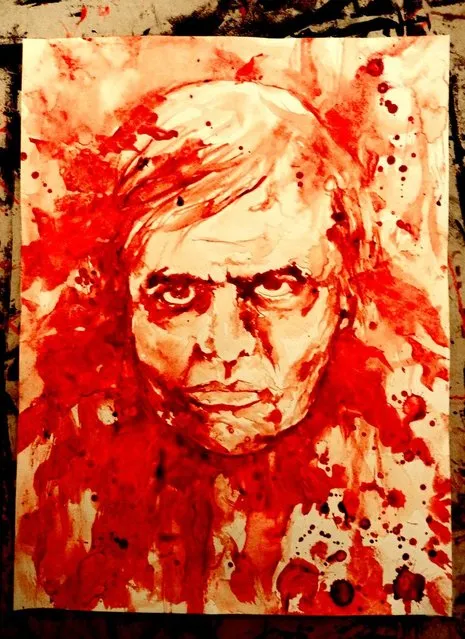
Blood Paintings By Maxime Taccardi

Maxime Taccardi is an artist who is most notable for his unusual method – creating his pieces using his own blood. He studied art in collage, his thesis focusing on the monstrosity and what is considered abnormal by society. Currently he is a middle school art teacher, but plans to continue furthering his creative career. His catalogue of work is varied, including painting, drawing, filmmaking and music.
Details
28 May 2014 09:21:00
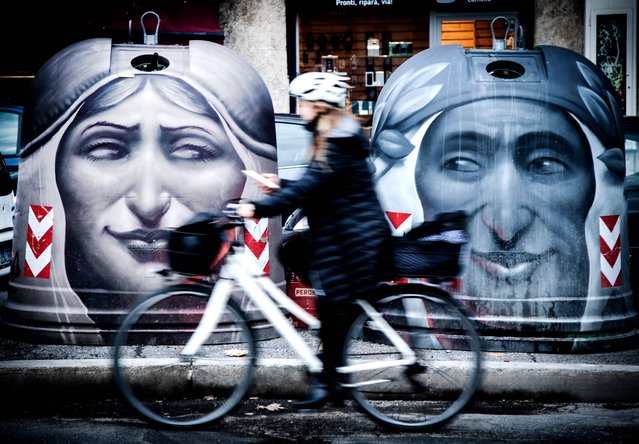
A photo taken on November 17, 2021 shows two glass recycling containers transformed as part of the new GAU project (Gallerie Urbane di Città Ideale, or Urban Galleries of the Ideal City), promoted by the cultural association Progetto Goldstein, in the Circonvallazione cornelia street of Rome. The project is transforming 34 containers for the separate collection of glass into artists' canvases with a special tribute to poet Dante and his Divine Comedy. (Photo by Tiziana Fabi/AFP Photo)

A photo taken on November 17, 2021 shows two glass recycling containers transformed as part of the new GAU project (Gallerie Urbane di Città Ideale, or Urban Galleries of the Ideal City), promoted by the cultural association Progetto Goldstein, in the Circonvallazione cornelia street of Rome. The project is transforming 34 containers for the separate collection of glass into artists' canvases with a special tribute to poet Dante and his Divine Comedy. (Photo by Tiziana Fabi/AFP Photo)
Details
22 Dec 2021 07:31:00
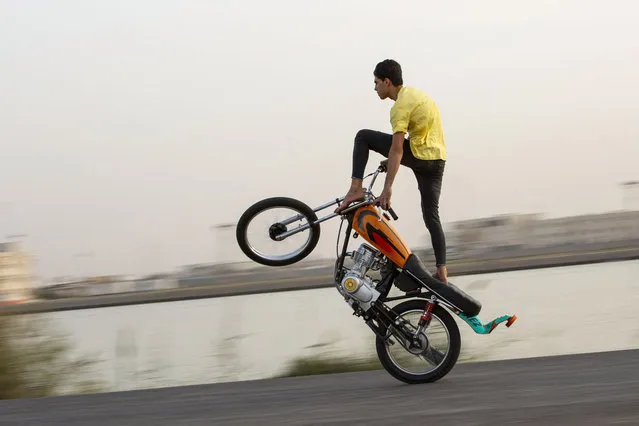
An Iraqi youth shows-off his balancing skills as he performs stunts on a motorbike, on the bank of the Shatt Al-Arab river at sunset, in the southern Iraqi city of Basra, on March 17, 2021. (Photo by Hussein Faleh/AFP Photo)

An Iraqi youth shows-off his balancing skills as he performs stunts on a motorbike, on the bank of the Shatt Al-Arab river at sunset, in the southern Iraqi city of Basra, on March 17, 2021. (Photo by Hussein Faleh/AFP Photo)
Details
31 Mar 2021 08:40:00
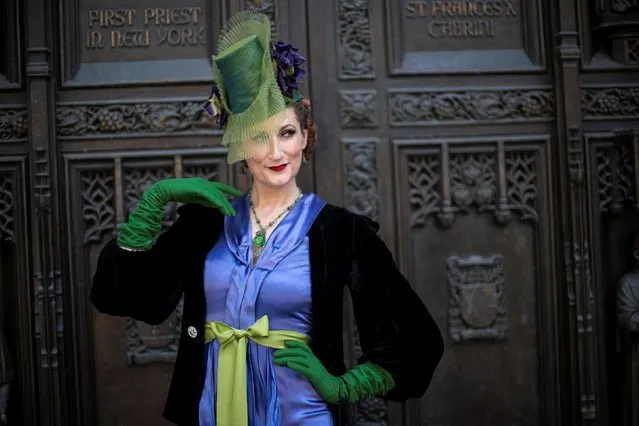
A woman attends the annual Easter Parade and Bonnet Festival on Fifth Avenue, amid the coronavirus disease (COVID-19) pandemic, in New York City, U.S., April 4, 2021. (Photo by Eduardo Munoz/Reuters)

A woman attends the annual Easter Parade and Bonnet Festival on Fifth Avenue, amid the coronavirus disease (COVID-19) pandemic, in New York City, U.S., April 4, 2021. (Photo by Eduardo Munoz/Reuters)
Details
14 Apr 2021 10:53:00
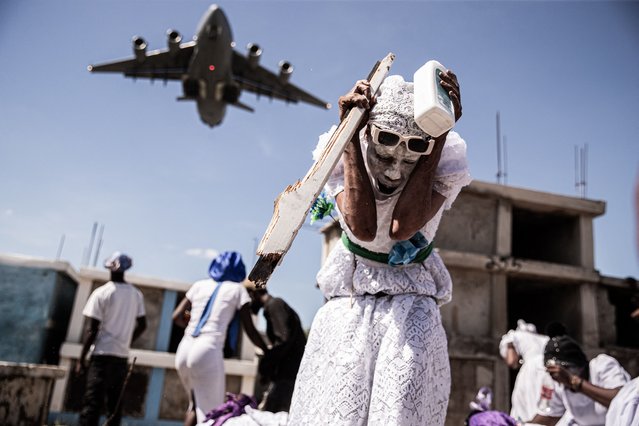
A woman reacts as she attends Fet Gede, the traditional Haitian Day of the Dead celebration at the Port-au-Prince cemetery, in Haiti, on November 1, 2025. Fet Gede is the annual celebration when practitioners of vodou parade and believe to be possessed by the spirits of the dead. (Photo by Clarens Siffroy/AFP Photo)

A woman reacts as she attends Fet Gede, the traditional Haitian Day of the Dead celebration at the Port-au-Prince cemetery, in Haiti, on November 1, 2025. Fet Gede is the annual celebration when practitioners of vodou parade and believe to be possessed by the spirits of the dead. (Photo by Clarens Siffroy/AFP Photo)
Details
18 Dec 2025 07:56:00
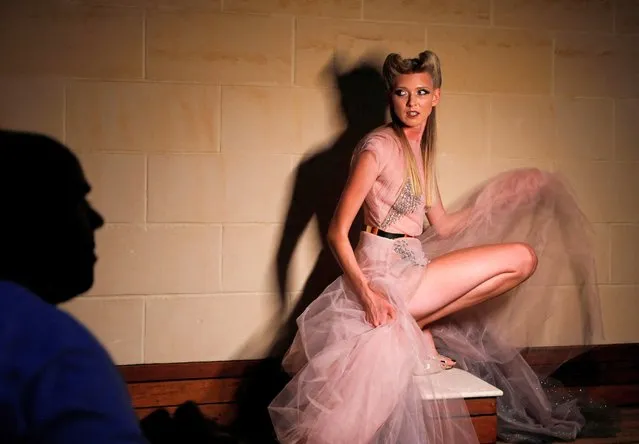
A model poses for a photographer backstage ahead of the Ferreira Couture catwalk show at Malta Fashion Week in Valletta, Malta on July 20, 2022. (Photo by Darrin Zammit Lupi/Reuters)

A model poses for a photographer backstage ahead of the Ferreira Couture catwalk show at Malta Fashion Week in Valletta, Malta on July 20, 2022. (Photo by Darrin Zammit Lupi/Reuters)
Details
23 Jul 2022 05:08:00
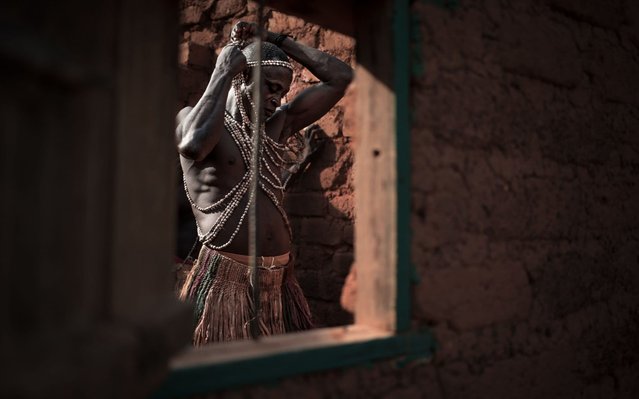
A Broto dancer prepares himself in a disused house of Bambari, in the centre of Central African Republic, before performing on March 14, 2019. The Broto, belonging to the Banda ethnic group, are known for their traditional dances accompanied by heavy horns made of tree roots. Today this tradition falls into disuse and its history is now forgotten by the new generations. (Photo by Florent Vergnes/AFP Photo)

A Broto dancer prepares himself in a disused house of Bambari, in the centre of Central African Republic, before performing on March 14, 2019. The Broto, belonging to the Banda ethnic group, are known for their traditional dances accompanied by heavy horns made of tree roots. Today this tradition falls into disuse and its history is now forgotten by the new generations. (Photo by Florent Vergnes/AFP Photo)
Details
05 Apr 2019 00:01:00
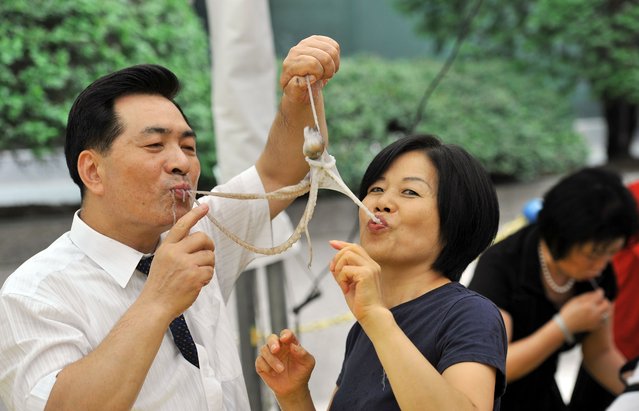
A South Korean man and a woman eat a live octopus during an event to promote a local food festival in Seoul on September 12, 2013. (Photo by Jung Yeon-Je/AFP Photo)

Live octopus is a delicacy in South Korea but is a known choking hazard, since the still-moving suction cups can cause tentacle pieces to stick in a person's throat. A baby octopus is often consumed whole, while larger varieties are cut up and the still-wriggling tentacles eaten with a splash of sesame oil. Photo: A South Korean man and a woman eat a live octopus during an event to promote a local food festival in Seoul on September 12, 2013. (Photo by Jung Yeon-Je/AFP Photo)
Details
13 Sep 2013 09:40:00