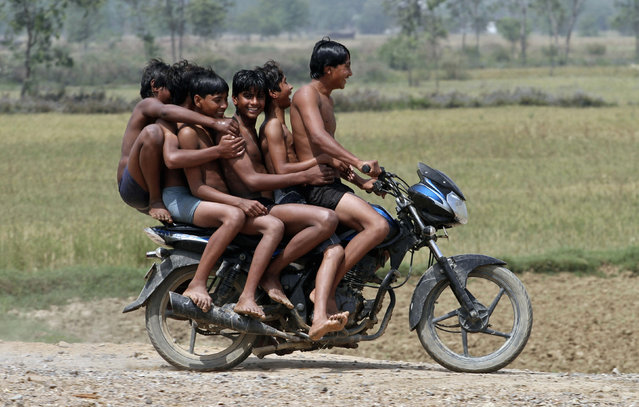
Boys ride a motorbike on their way back home after taking a bath in a canal at Chachura village, in Uttar Pradesh April 4, 2012. (Photo by Parivartan Sharma/Reuters)
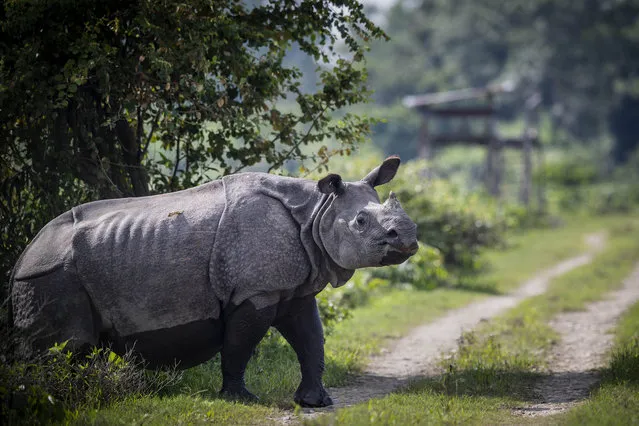
A one-horned rhinoceros crosses a road inside Kaziranga national park on the eve of the World Rhino Day in Gauhati, India, Tuesday, September 21, 2021. Kaziranga is home to nearly 2,500 one-horned rhinos and is the world’s largest habitat for the rare animal. (Photo by Anupam Nath/AP Photo)
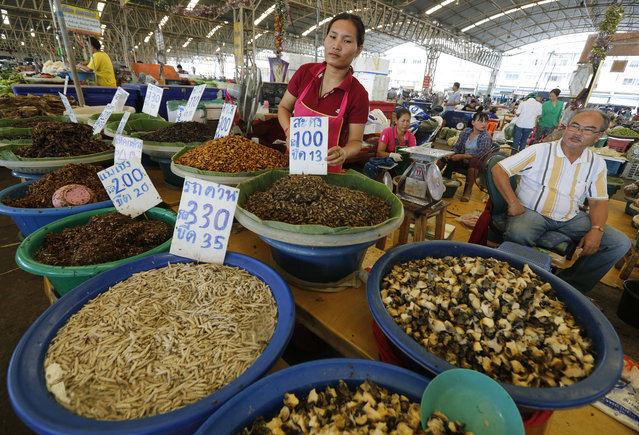
Thai vendors stand next to edible insects for sale at Talad Thai market in Pathum Thani province on the outskirts of Bangkok, Thailand, 15 July 2013. Insects have long been on the menu in Thailand, but academics and the United Nation's Food and Agriculture Organization (FAO) officials are hoping they will become a more common global source of protein and nutrients to meet the need for growing world food requirements in the future. (Photo by Narong Sangnak/EPA)
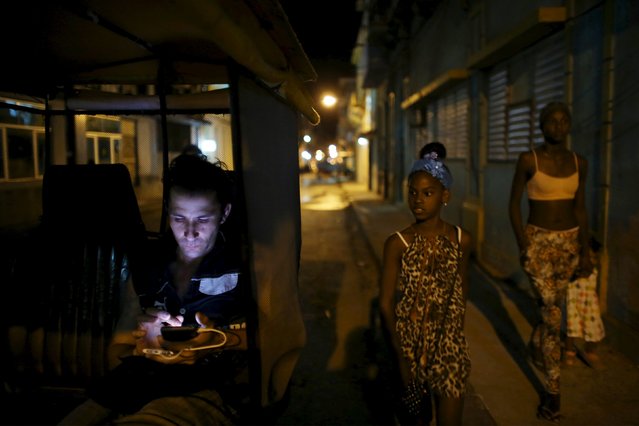
Self-employed pedicab driver Danilo Guerra, 25, uses his mobile phone as he waits for clients in downtown Havana April 12, 2016. (Photo by Alexandre Meneghini/Reuters)
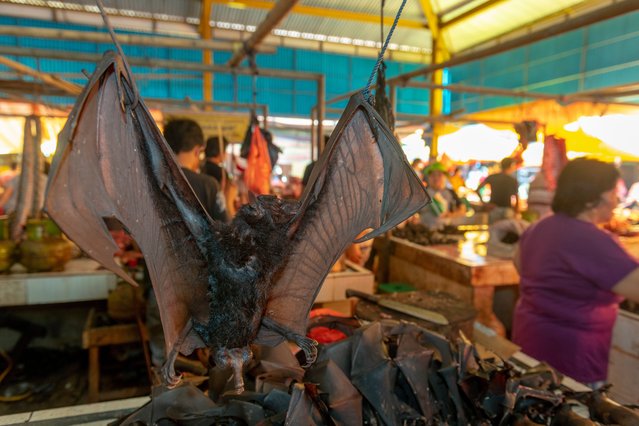
A food market shows off rows upon rows of dead animals, some of which have been beaten to death. Dogs and chickens can be seen lined up with their mouths hanging wide open. Shoppers even pick up some of the dogs and bats as they look for the best on the market. Retired biologist and amateur photographer Alf Jacob Nilsen took the shocking pictures of the market during a visit to Tomohon Village in Northern Sulawei, Indonesia. Pictured: Flying foxes (bats) for sale at the market. (Photo by Alf Jacob Nilsen/Solent News)
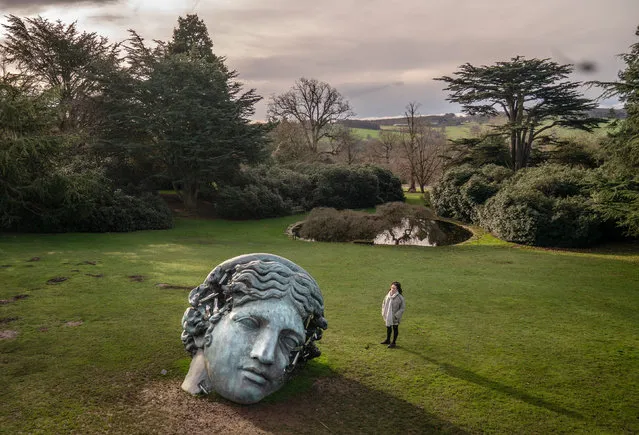
Dominique Lynch on Tuesday, February 20, 2024 views Daniel Arsham's Unearthed, Bronze Eroded Melpomene, on display during Daniel Arsham: Relics in the Landscape exhibition, the first UK museum display of work by the highly acclaimed North American, at the Yorkshire Sculpture Park in Wakefield, West Yorkshire. (Photo by Danny Lawson/PA Images via Getty Images)
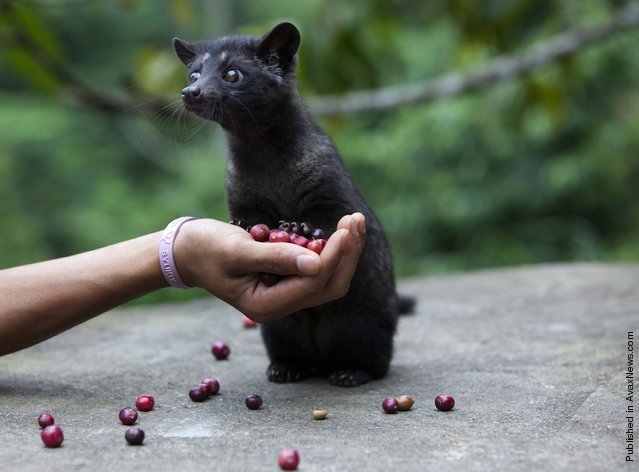
“Kopi luwak (Malay pronunciation), or civet coffee, is one of the world's most expensive and low-production coffee. It is made from the beans of coffee berries which have been eaten by the Asian Palm Civet (Paradoxurus hermaphroditus) and other related civets, then passed through its digestive tract. ...