Loading...
Done
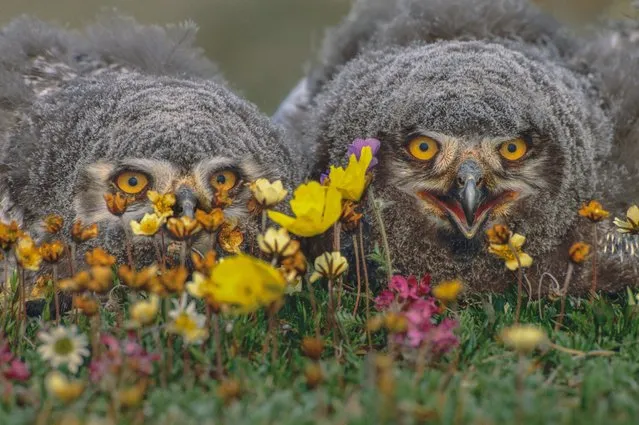
Snowy owlets (Bubo scandiacus), Arctic National Wildlife Refuge, Alaska, USA. “A pair of gray-feathered snowy owlets hunker down in the abundant flowers that flourish in the dropping-enriched soil of their nest mound”. (Photo by Art Wolfe/Art Wolfe Stock)

The photography of Art Wolfe covers the globe, capturing landscapes, wildlife, and cultures from every continent; here he talks through a selection of his favourite images. Art Wolfe is an American photographer and conservationist. His photographs have been noted by environmental advocacy groups for their “stunning” visual impact. Here: Snowy owlets (Bubo scandiacus), Arctic National Wildlife Refuge, Alaska, USA. (Photo by Art Wolfe/Art Wolfe Stock)
Details
19 Mar 2018 00:05:00
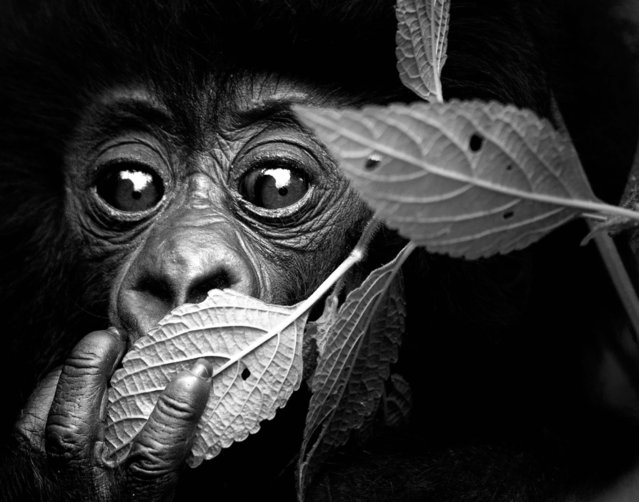
Undated David Yarrow handout photo of a gorilla as the self-taught wildlife photographer promotes his book, Encounter. (Photo by David Yarrow/Clearview/PA Wire)

Undated David Yarrow handout photo of a gorilla as the self-taught wildlife photographer promotes his book, Encounter. (Photo by David Yarrow/Clearview/PA Wire)
Details
06 Jul 2014 09:12:00
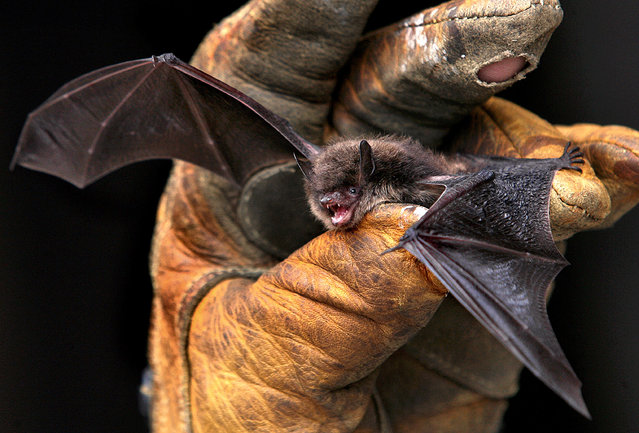
In this September 17, 2010 file photo a little brown bat is photographed in La Crosse Wis. Researchers for the first time found that little brown bats appear to be showing resistance to white-nose syndrome, which has killed millions of bats across North America. (Photo by Peter Thomson/La Crosse Tribune via AP Photo)

In this September 17, 2010 file photo a little brown bat is photographed in La Crosse Wis. Researchers for the first time found that little brown bats appear to be showing resistance to white-nose syndrome, which has killed millions of bats across North America. (Photo by Peter Thomson/La Crosse Tribune via AP Photo)
Details
13 Jan 2017 08:48:00
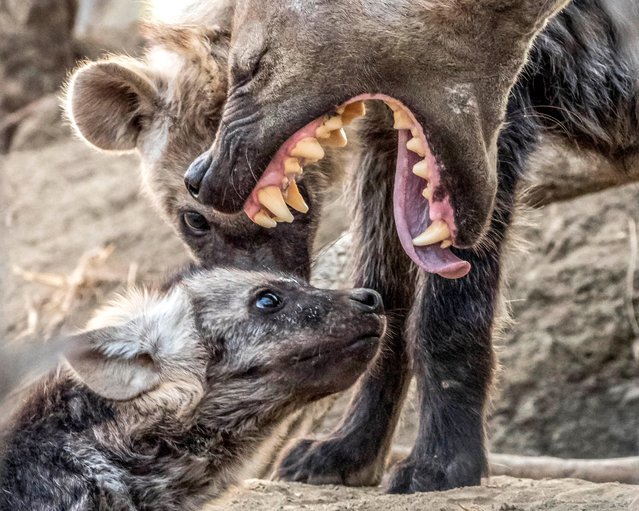
A hyena cub got a mouthful from his mum after it appears he got a right telling off. Michael Raddall, a animal enthusiast and wildlife photographer from South Africa, snapped the mum and cub at the Timbavati game reserve in South Africa while on safari at the Umlani Bush camp. (Photo by Michael Raddall/Caters News Agency)

A hyena cub got a mouthful from his mum after it appears he got a right telling off. Michael Raddall, a animal enthusiast and wildlife photographer from South Africa, snapped the mum and cub at the Timbavati game reserve in South Africa while on safari at the Umlani Bush camp. (Photo by Michael Raddall/Caters News Agency)
Details
17 Mar 2019 00:03:00


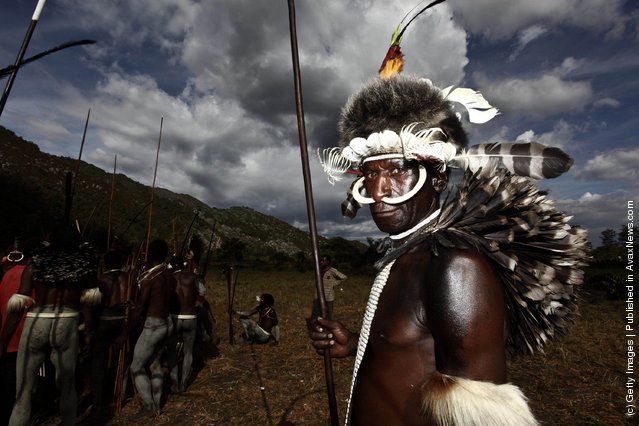
A Papuanese tribal man poses for a photograph during the Baliem Valley Festival on August 9, 2010 in Wamena, Indonesia. The Dani, Yali and Lani tribes gather at this annual festival each dressed in distinctive tribal attire, stage mock battles, perform traditional music and dance, and celebrate with a pig feast. (Photo by Ulet Ifansasti/Getty Images)
Details
01 May 2011 10:10:00
“Vanitas”. (Kevin Best)

“I live in Paddington Sydney. My great photographic passions are still life and surreal”. – Kevin Best. Photo: “Vanitas”, 2010. (Photo by Kevin Best)


Details
29 Jan 2013 11:36:00
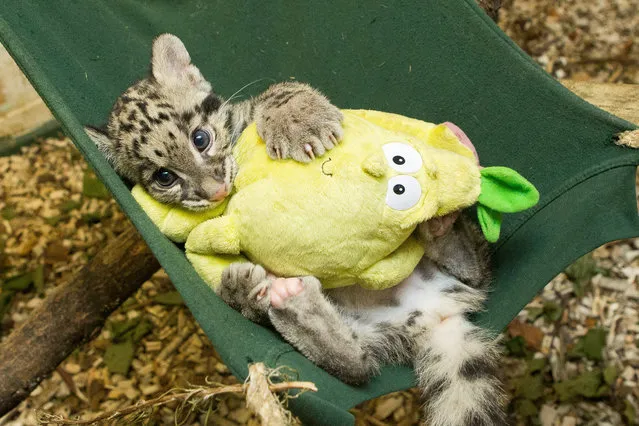
Nimbus, the 2 month old clouded leopard cub, who was hand reared at the home of curator Jamie Craig. Photographed sitting in her hammock at Cotswold Wildlife Park, Burford, Oxfordshire, UK on September 2014. (Photo by SWNS/ABACAPress)

Nimbus, the 2 month old clouded leopard cub, who was hand reared at the home of curator Jamie Craig. Photographed sitting in her hammock at Cotswold Wildlife Park, Burford, Oxfordshire, UK on September 2014. Jamie Craig the curator of the Cotswold Wildlife park has hand reared the baby clouded leopard in his family bathroom after he was rejected by his mother. Now two months old Nimbus is been fed a cat milk replacement diet by bottle and is given soft toys to play with. It is hoped that the leopard will re-join others at the park and eventually join their breeding program. (Photo by SWNS/ABACAPress)
Details
03 Oct 2014 11:43:00
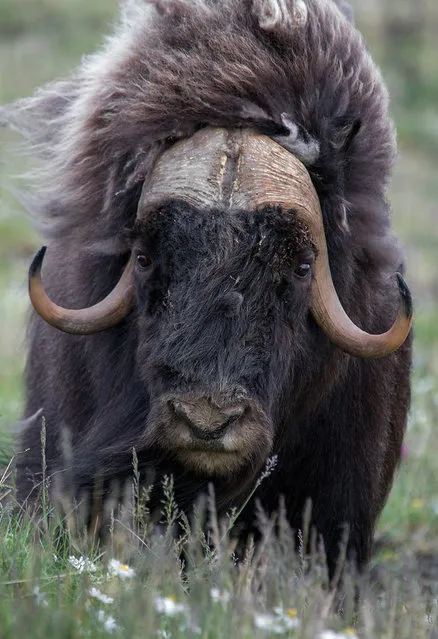
Wild Musk Oxen in Arctic Prairie in Russia

Vitaly Gorshkov, a wildlife photographer, captured these animals in their natural habitat. He says that these animals are so hairy that it is difficult to distinguish the front from the back. The oxen aren’t really afraid of humans that is why it is easy to approach them and take pictures.
Details
25 Apr 2014 12:10:00