Loading...
Done
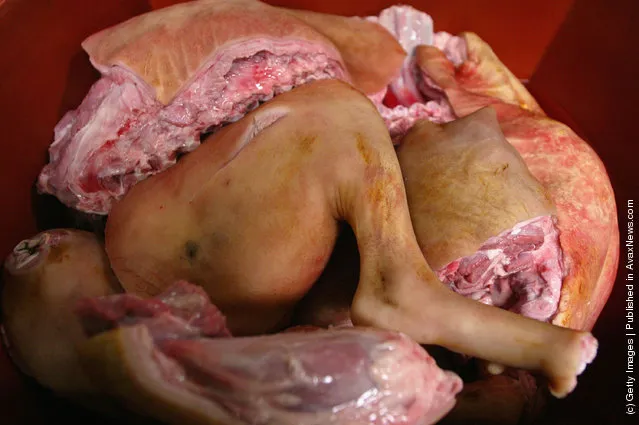
A chef cooks raw dog meat at a restaurant in Gwacheon, South Korea

A chef cooks raw dog meat at a restaurant on July 5, 2005 in Gwacheon, South Korea. Dog meat is a traditional dish in Korea dating back to the Samkuk period (period of the three kingdoms BC 57 – AD 668). Although many recipes existed historically for dog meat, now chefs only make soups, or dishes using boiled or roasted meat. Koreans traditionally eat dog meat on the hottest day of the summer, for it's reputed benefits of virility, invigoration and health. (Photo by Chung Sung-Jun/Getty Images)
Details
21 Feb 2012 12:54:00
Tuna Melts My Heart

Tuna is an adorable and charming 3 year-old Chiweenie who was born with an aggressive overbite and a lower recessed jawline. He also has 5 moles surrounding his mouth, a crumbled chin and a neck that looks like he has been soaking in a bathtub for days! Those who can see past his irregularities will also adore him for them. They have eyes see his true beauty, because true beauty captivates our hearts and not just our eyes.
Details
10 Nov 2013 09:26:00
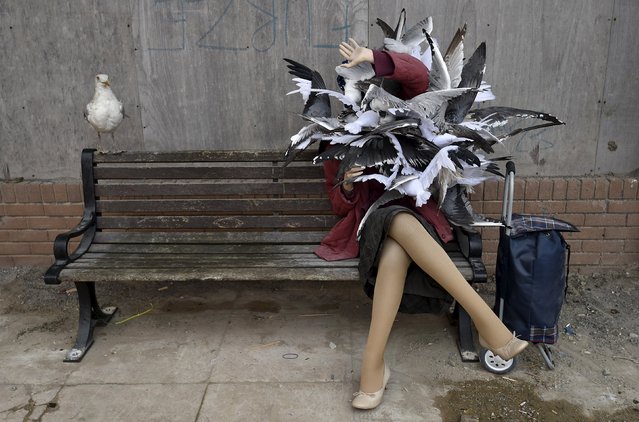
A sculpture is pictured at “Dismaland”, a theme park-styled art installation by British artist Banksy, at Weston-Super-Mare in southwest England, Britain, August 20, 2015. (Photo by Toby Melville/Reuters)

A sculpture is pictured at “Dismaland”, a theme park-styled art installation by British artist Banksy, at Weston-Super-Mare in southwest England, Britain, August 20, 2015. The show is Bansky's first in the UK since the Banksy v Bristol Museum show in 2009 and will be open for 5 weeks at the Topicana site. (Photo by Toby Melville/Reuters)
Details
21 Aug 2015 12:29:00
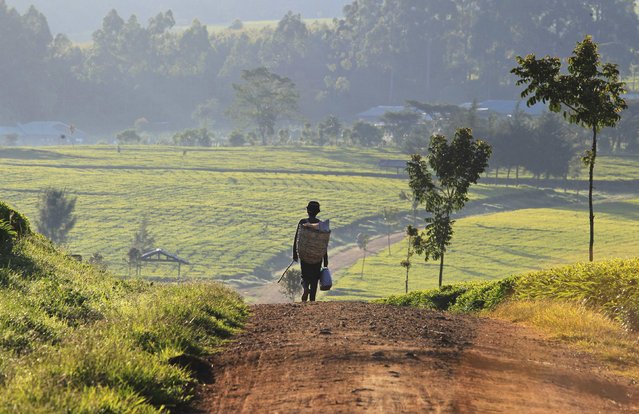
A man walks in the early morning to start his day picking tea leaves at a plantation in Nandi Hills, in Kenya's highlands region west of capital Nairobi, November 5, 2014. Emerald-coloured tea bushes blanketing the rolling hills of Nandi County have long provided a livelihood for small-scale farmers, helping make Kenya one of the world's biggest tea exporters. But ideal weather and bigger harvests, instead of producing bumper earnings, have led to a glut of Kenya's speciality black tea. (Photo by Noor Khamis/Reuters)

A man walks in the early morning to start his day picking tea leaves at a plantation in Nandi Hills, in Kenya's highlands region west of capital Nairobi, November 5, 2014. Emerald-coloured tea bushes blanketing the rolling hills of Nandi County have long provided a livelihood for small-scale farmers, helping make Kenya one of the world's biggest tea exporters. But ideal weather and bigger harvests, instead of producing bumper earnings, have led to a glut of Kenya's speciality black tea. (Photo by Noor Khamis/Reuters)

Details
17 Nov 2014 12:44:00
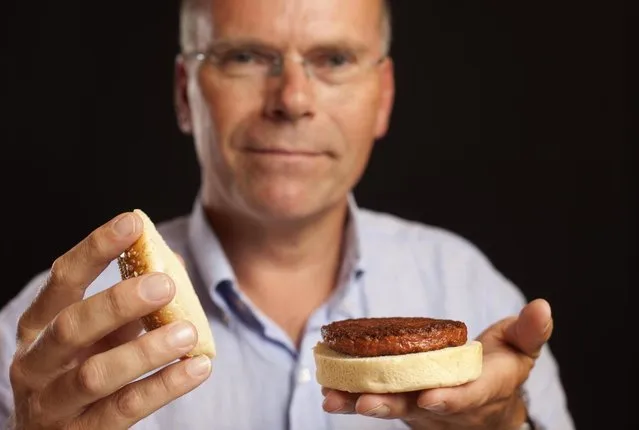
In this handout image provided by Ogilvy, a burger made from cultured beef, which has been developed by Professor Mark Post of Maastricht University in the Netherlands (pictured) is shown to the media during a press conference on August 5, 2013 in London, England. Cultured Beef could help solve the coming food crisis and combat climate change with commercial production of Cultured Beef beginning within ten to twenty years. (Photo by David Parry via Getty Images)

In this handout image provided by Ogilvy, a burger made from cultured beef, which has been developed by Professor Mark Post of Maastricht University in the Netherlands (pictured) is shown to the media during a press conference on August 5, 2013 in London, England. The in-vitro burger, cultured from cattle stem cells, the first example of what its creator says could provide an answer to global food shortages and help combat climate change, was fried in a pan and tasted by two volunteers. The burger is the result of years of research by Dutch scientist Mark Post, a vascular biologist at the University of Maastricht, who is working to show how meat grown in petri dishes might one day be a true alternative to meat from livestock.The meat in the burger has been made by knitting together around 20,000 strands of protein that has been cultured from cattle stem cells in Post's lab. (Photo by David Parry)
Details
06 Aug 2013 08:48:00
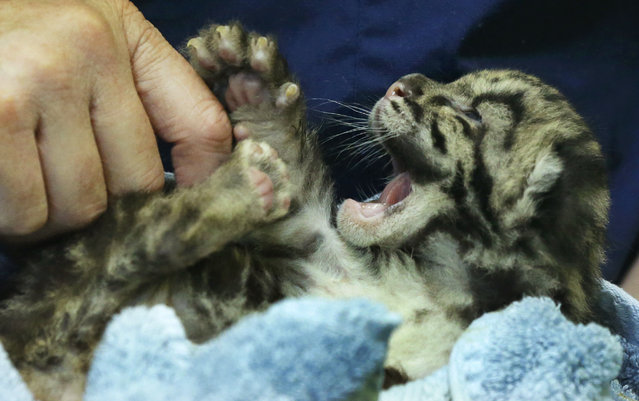
Andy Goldfarb, a staff biologist at the Point Defiance Zoo & Aquarium, plays with one of the four clouded leopard cubs currently at the zoo Friday, June 5, 2015 in Tacoma, Wash. The quadruplets were born on May 12, 2015 and now weigh about 1.7 lbs. each. Friday was their first official day on display for public viewing, usually during their every-four-hours bottle-feeding sessions, which were started after the cubs' mother did not show enough interest in continuing to nurse them. (AP Photo/Ted S. Warren)

Andy Goldfarb, a staff biologist at the Point Defiance Zoo & Aquarium, plays with one of the four clouded leopard cubs currently at the zoo Friday, June 5, 2015 in Tacoma, Wash. The quadruplets were born on May 12, 2015 and now weigh about 1.7 lbs. each. Friday was their first official day on display for public viewing, usually during their every-four-hours bottle-feeding sessions, which were started after the cubs' mother did not show enough interest in continuing to nurse them. (AP Photo/Ted S. Warren)
Details
19 Jun 2015 09:06:00
Female body builders flex their muscles as they compete in the 2nd Women Sports Model contest in Guwahati on April 2, 2023. (Photo by Biju Boro/AFP Photo)

Female body builders flex their muscles as they compete in the 2nd Women Sports Model contest in Guwahati on April 2, 2023. (Photo by Biju Boro/AFP Photo)
Details
13 Apr 2023 03:13:00
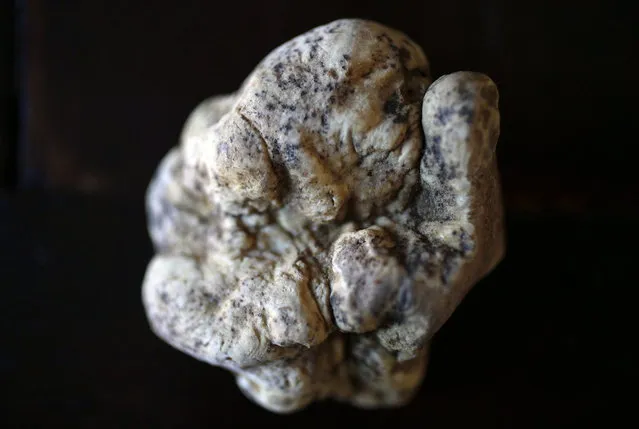
A truffle is seen on a table in Alba, north-western Italy November 11, 2013. Located in the heart of the Langhe – the hilly southern area of Italy's northwestern Piedmont region – Alba is the country's capital of white truffles, a variety of the prized fungus which grows underground. Truffles are found two to eight inches (5-20cm) below the ground near the roots of trees. (Photo by Stefano Rellandini/Reuters)

A truffle is seen on a table in Alba, north-western Italy November 11, 2013. Located in the heart of the Langhe – the hilly southern area of Italy's northwestern Piedmont region – Alba is the country's capital of white truffles, a variety of the prized fungus which grows underground. Truffles are found two to eight inches (5-20cm) below the ground near the roots of trees. They give off an odour which lasts for a limited period of time and can be detected with the assistance of well-trained dogs and experienced hunters. Output of white truffles, which are not cultivated and only grow naturally in forests, has fallen in Italy over the past few years, largely because climate change has brought a damaging mix of drought and torrential rains. (Photo by Stefano Rellandini/Reuters)
Details
31 Dec 2013 11:22:00