Loading...
Done
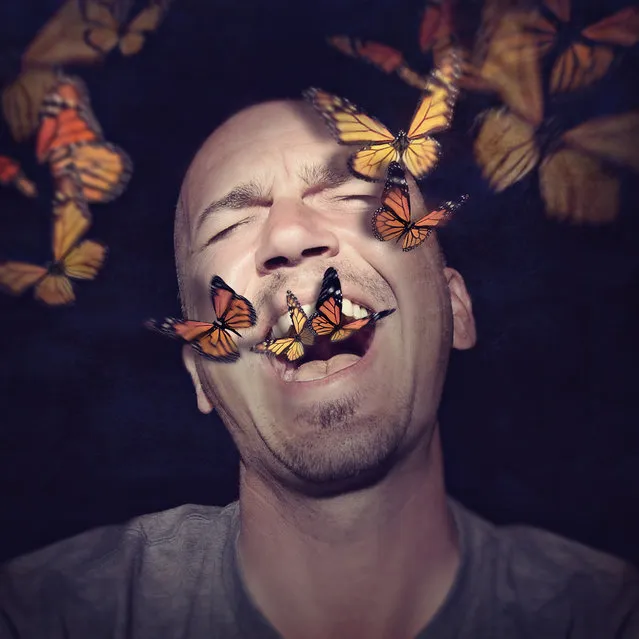
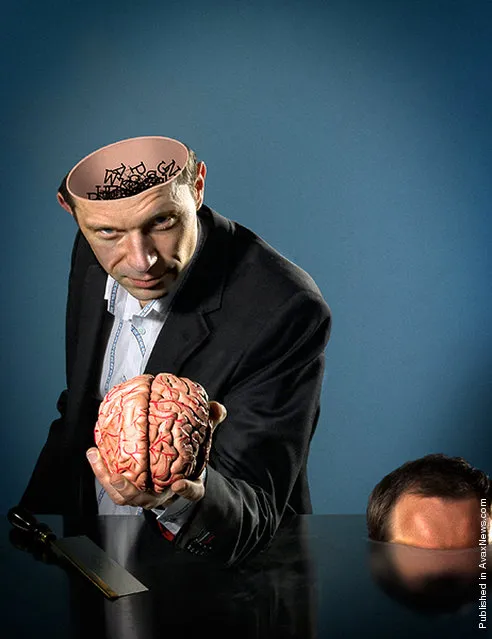
Photographers: Darrell Eager

“When you think of Darrell Eager, you think of a journeyman photographer with taste and a talent for conceptual thinking. Darrell's great at working with vague ideas and concepting back and forth until they become real and concrete, appropriate for each project”.
Details
20 Mar 2012 11:03:00
Sing

«Sing»

The story of 20 children born or living with illness or health conditions is being told by Toronto photographer and artist Shawn Van Daele, by transforming their drawings into magical photographs.
Details
26 May 2012 06:55:00


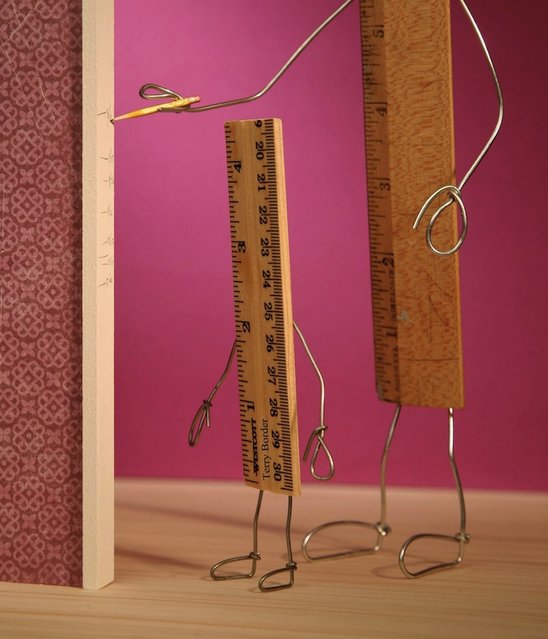
If you're not familiar with Terry's work, he takes boring, everyday objects and makes them come alive! The best thing about it is that it can be enjoyed by everyone. Young or old, we can all get a good chuckle out of his hilarious Bent Objects.
Details
29 May 2012 02:59:00


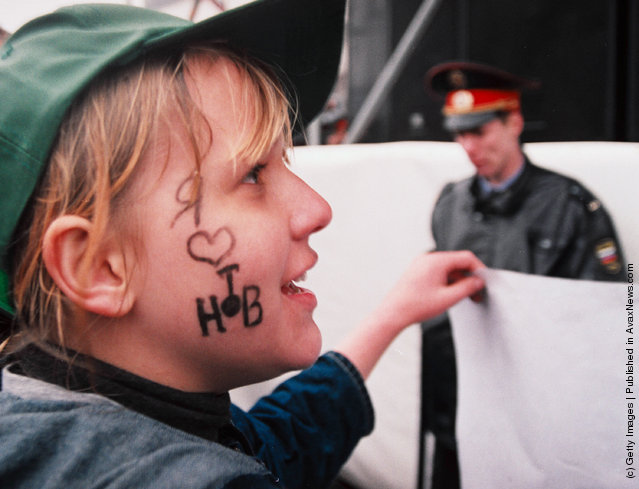
“NTV (Cyrillic: НТВ) is a Russian television channel. As a subsidiary of Vladimir Gusinsky's company Media-Most, it was a pioneer in the post-Soviet independent television media, but was later taken over by state-owned Gazprom”. – Wikipedia

Photo: A woman with “I love NTV” painted on here face cheers in support of the independent Russian NTV television station April 7, 2001 during a rally in Moscow. Thousands of people gathered in the rain to show their support for Russia's only national independent television station in its fight against new owners. (Photo by Oleg Nikishin/Newsmakers)
Details
15 Apr 2011 10:53:00
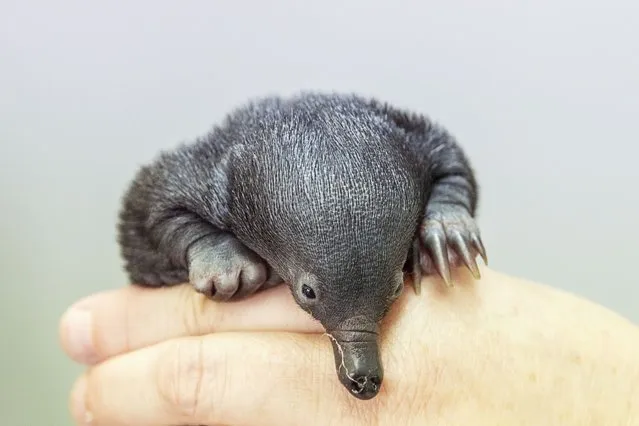
“Smudge” an orphaned echidna puggle is held by Veterinary nurse Sarah Male ahead of its feeding on November 07, 2022 in Sydney, Australia. Echidnas, sometimes known as spiny anteaters, are native to Australia. A baby echidna was found orphaned by the side of the road and is being cared for at Sydney's Taronga Zoo hospital. The care is intensive with several feedings per day, and the echidna is housed in temperature-controlled environment to aid its recovery and growth. (Photo by Jenny Evans/Getty Images)

“Smudge” an orphaned echidna puggle is held by Veterinary nurse Sarah Male ahead of its feeding on November 07, 2022 in Sydney, Australia. Echidnas, sometimes known as spiny anteaters, are native to Australia. A baby echidna was found orphaned by the side of the road and is being cared for at Sydney's Taronga Zoo hospital. The care is intensive with several feedings per day, and the echidna is housed in temperature-controlled environment to aid its recovery and growth. (Photo by Jenny Evans/Getty Images)
Details
04 Jan 2024 19:37:00
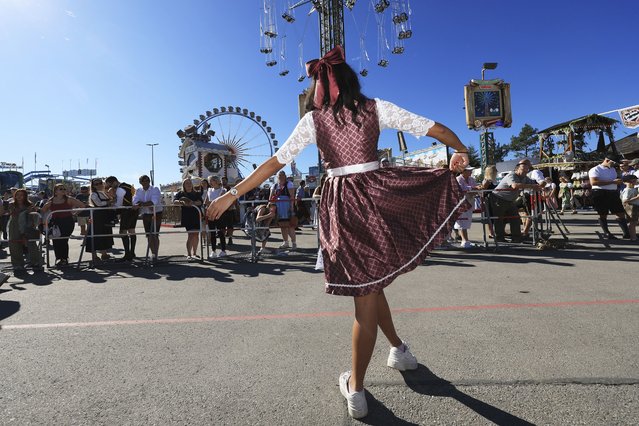
An Oktoberfest visitor swings her dirndl, at the start of Oktoberfest, on Munich's Theresienwiese, in Germany, Saturday, September 20, 2025. (Photo by Karl-Josef Hildenbrand/dpa via AP Photo)

An Oktoberfest visitor swings her dirndl, at the start of Oktoberfest, on Munich's Theresienwiese, in Germany, Saturday, September 20, 2025. (Photo by Karl-Josef Hildenbrand/dpa via AP Photo)
Details
02 Nov 2025 05:20:00
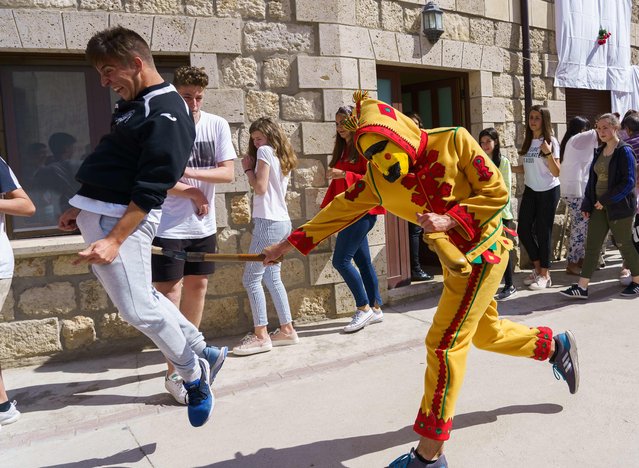
A “colacho” (a person dressed up as a devil) chases people during “El salto del Colacho”, the baby jumping festival in the village of Castrillo de Murcia, near Burgos on June 3, 2018. (Photo by Cesar Manso/AFP Photo)

A “colacho” (a person dressed up as a devil) chases people during “El salto del Colacho”, the baby jumping festival in the village of Castrillo de Murcia, near Burgos on June 3, 2018. (Photo by Cesar Manso/AFP Photo)
Details
05 Jun 2018 10:24:00
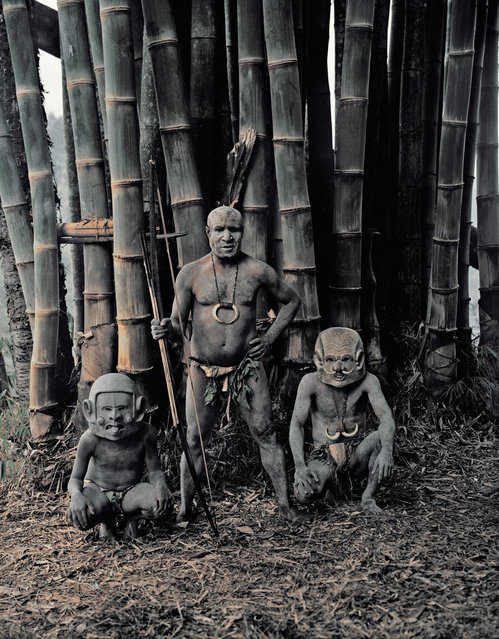
“Asaro from the Eastern Highlands”. The mudmen could not cover their faces with mud because the people of Papua New Guinea thought that the mud from the Asaro river was poisonous. So instead of covering their faces with this alleged poison, they made masks from pebbles that they heated and water from the waterfall, with unusual designs such as long or very short ears either going down to the chin or sticking up at the top, long joined eyebrows attached to the top of the ears, horns and sideways mouths. (Jimmy Nelson)

“Asaro from the Eastern Highlands”. The mudmen could not cover their faces with mud because the people of Papua New Guinea thought that the mud from the Asaro river was poisonous. So instead of covering their faces with this alleged poison, they made masks from pebbles that they heated and water from the waterfall, with unusual designs such as long or very short ears either going down to the chin or sticking up at the top, long joined eyebrows attached to the top of the ears, horns and sideways mouths. (Photo and caption by Jimmy Nelson)
Details
20 Oct 2013 08:54:00