Loading...
Done
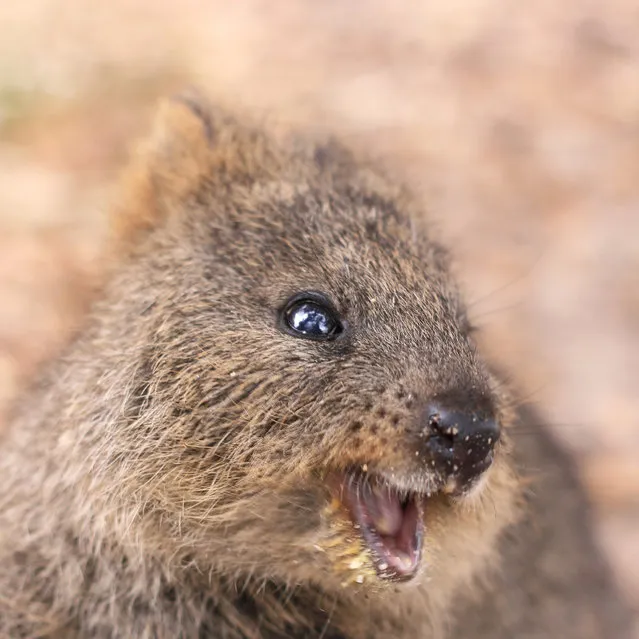
Quokka The Happiest Animal in the World

The quokka the only member of the genus Setonix, is a small macropod about the size of a domestic cat. Like other marsupials in the macropod family (such as the kangaroos and wallabies), the quokka is herbivorous and mainly nocturnal.
Details
14 Oct 2014 10:30:00
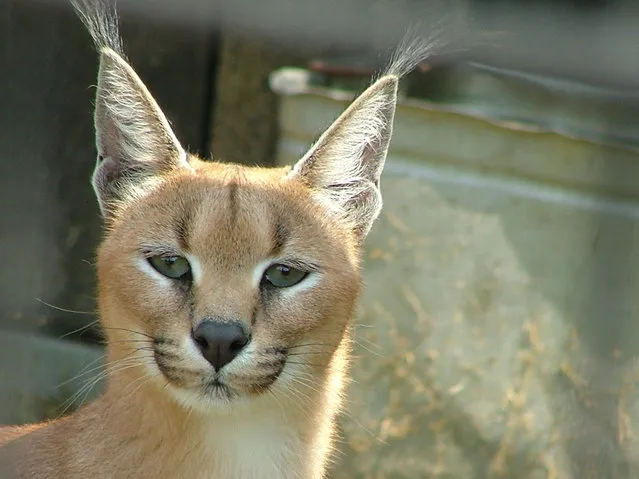
Сaracal - Desert Lynx

The caracal also known as the desert lynx, is a wild cat that is widely distributed across Africa, central Asia and southwest Asia into India. In 2002 the IUCN listed the caracal as Least Concern as it is widespread and relatively common. The felid is considered threatened in north Africa, and rare in the central Asian republics and India.
Details
20 Aug 2013 11:28:00
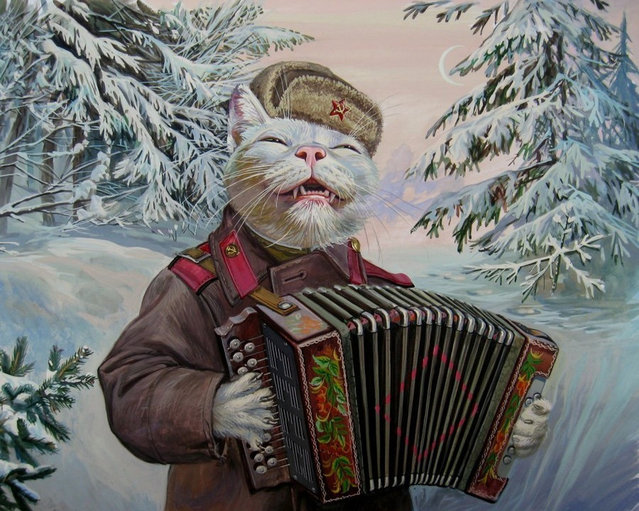
Epical Сats By Alexandr Zavala

Painter Alexander Zavala residing in Gelendzhik, painted in the style of a historical series of paintings about animalism epic cats.
Details
03 Mar 2014 12:30:00
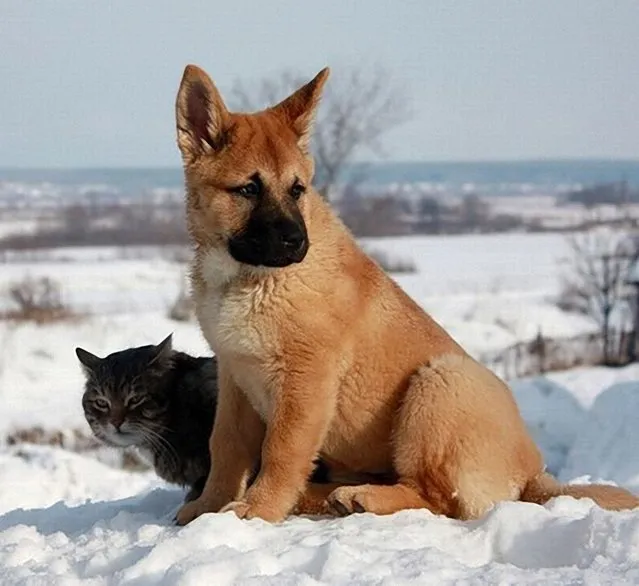
True Friendship Pat Two

Russian cat and Russian dog are true friends, just look at them.


SEE ALSO:True Friendship
Details
22 Oct 2012 09:53:00
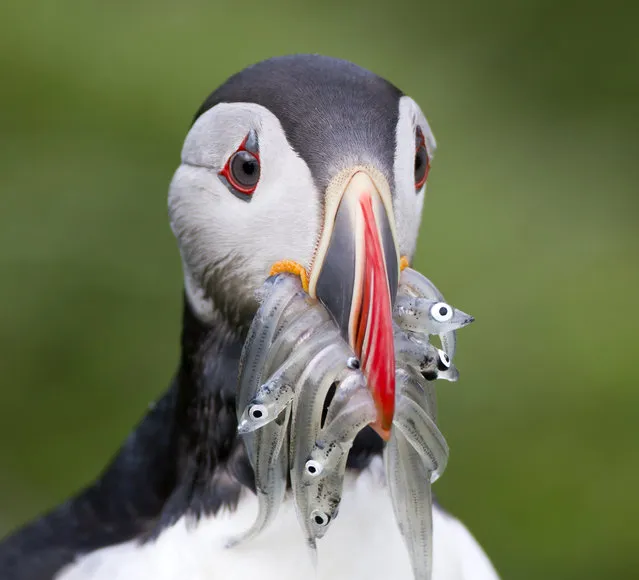
Atlantic Puffin Is AKA Puffins Or Puffin Birds

The Atlantic Puffin is definitely a curious-looking bird. The special coloring that this bird develops for the breeding season in the spring is very reminiscent of tropical birds. The bright colors of the beak and the markings around the eyes serve no particular advantage and have evolved as a result of sexual selection. However, Puffins don’t look that pretty all year round. They shed all these festive colors in partial moult after the breeding season is over. They lose the ornaments around their eyes, their face becomes darker, and their beak becomes very different. The natural habitat of these birds is the cold waters of the North Atlantic Ocean.
Details
12 Nov 2014 13:40:00
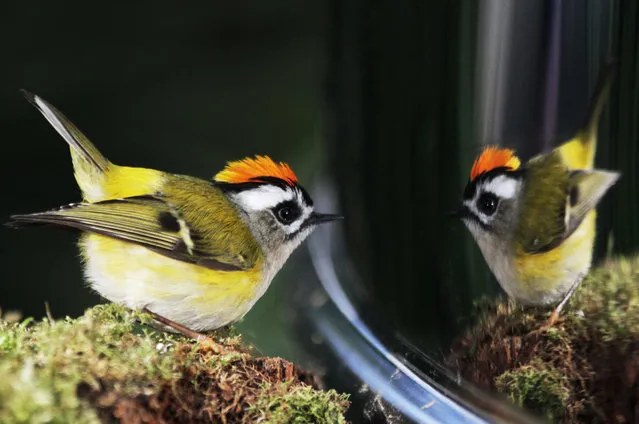
Golden-Crowned Kinglet

Golden-crowned Kinglets boldly bear their flashy lemon-yellow crest and a black eyebrow stripe. Taking a good look at them might be rather challenging, since they spend most of their time in the dense fir foliage or spruce. However, if you’re patient enough to find them, listen for their shrill, thin song. Though these “little Kings” are only a tad bit larger than a hummingbird, they can survive easily extreme cold by huddling close together. They breed in montane west and the far north and only visit North America during winter.
Details
21 Jan 2015 13:20:00
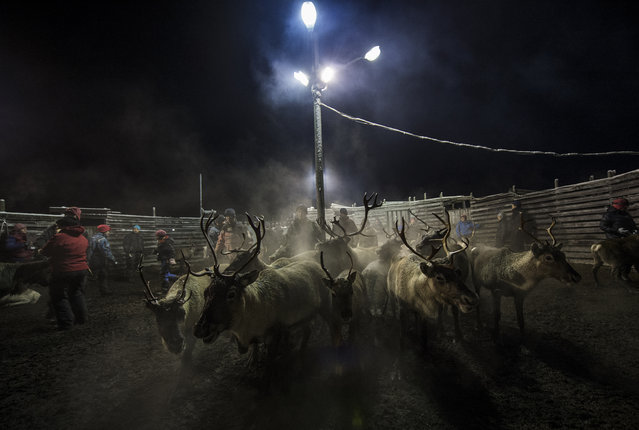
Sami people from the Vilhelmina Norra Sameby, gather their reindeers herd in a corral for selection and calf labelling on October 27, 2016 near the village of Dikanaess, about 800 kilometers north-west of the capital Sweden. (Photo by Jonathan Nackstrand/AFP Photo)

Sami people from the Vilhelmina Norra Sameby, gather their reindeers herd in a corral for selection and calf labelling on October 27, 2016 near the village of Dikanaess, about 800 kilometers north-west of the capital Sweden. Sweden's Sami reindeer herders have more than hungry predators to worry about in the cold night, as the indigenous minority moves its flock to the winter pasture in the Nordic tundra. (Photo by Jonathan Nackstrand/AFP Photo)
Details
23 Nov 2016 12:26:00


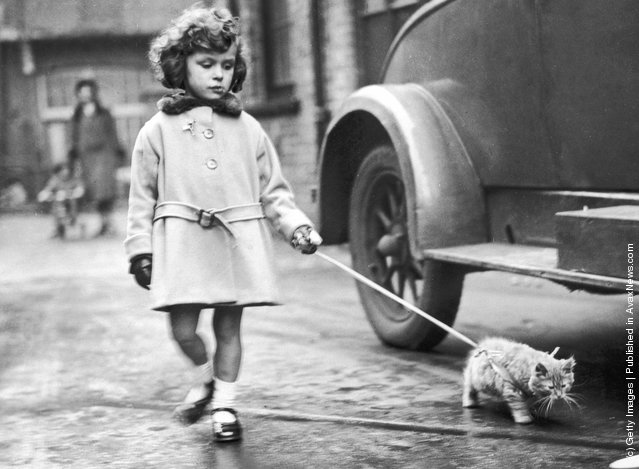
A young exhibitor arrives with her kitten on a lead at the National Cat Club show at Crystal Palace, London. (Photo by Fox Photos/Getty Images). 2nd December 1931
Details
28 Jul 2011 12:02:00