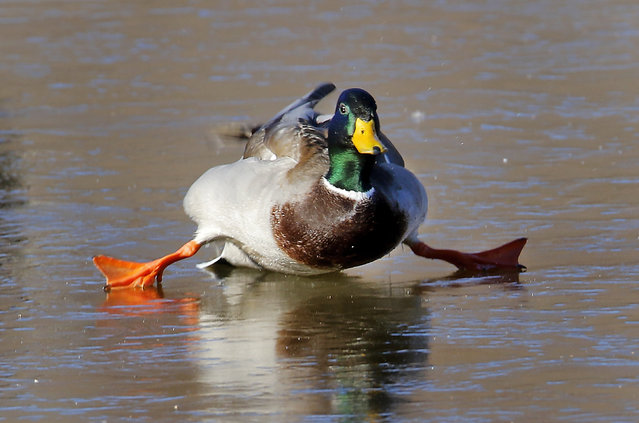
In this photo taken on Monday, January 5, 2015, a mallard duck attempts to walk on a frozen pond in Yukon, Okla. (Photo by Steve Gooch/AP Photo/The Oklahoman)
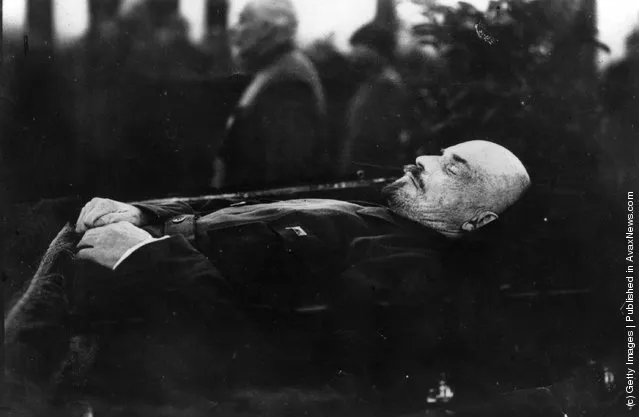
Photo: Vladimir Ilyich Lenin (1870 – 1924) lying in state in the Kremlin. (Photo by Hulton Archive/Getty Images). 1924
Important! For the same article in Russian language click here.
Something quite intriguing is happening within Russian-speaking internet during the last few – should you type a fully academic inquiry (at least, according to Russian academic requirements) in national search engines for "Lenin's mausoleum" – the first thing you get (even in top 10 searches) is website pages talking about black magic and occult. Website authors view this construction differently, but unconditionally agree on one thing: the mausoleum of the "leader of the world proletariat” – the essence of a magical artifact, a sort of “energy vampire”. It was built with a certain purpose: to drain the energy out of miserable Soviet citizens on one hand; and to poison the anthroposphere of one-sixth part of the earth with its vibes (the exact territory that was occupied by the former Soviet Union), depriving the Russian people of will to resist on the other hand. Complete nonsense? No doubt. Nevertheless, an intriguing one. Well, probably because some oddities do exist in mausoleum's history. These oddities are the thing we are going to discuss this time. First, let me refresh you memory on the subject.
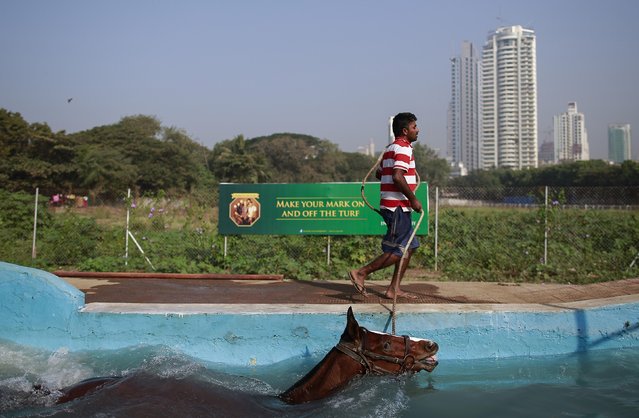
A groom leads his horse in the equine pool after working out on the track, during early morning workouts for the upcoming Derby race in Mumbai January 29, 2015. (Photo by Danish Siddiqui/Reuters)
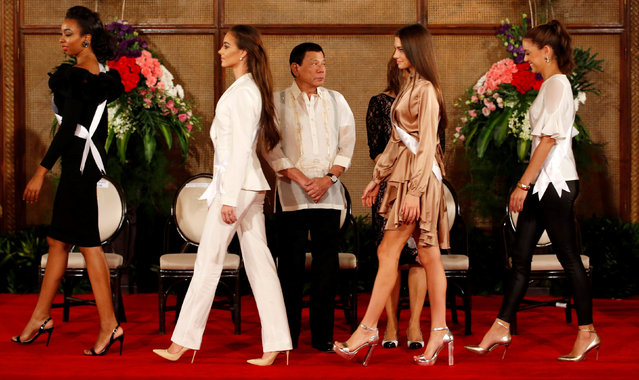
Philippine President Rodrigo Duterte looks at Miss Universe candidates at the presidential palace in Manila, Philippines January 23, 2017. (Photo by Erik De Castro/Reuters)
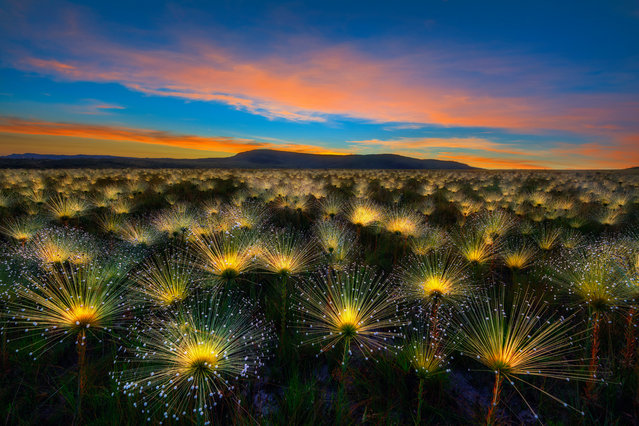
The International Garden Photographer of the Year is one of the world’s premier competitions specialising in botanical photography. There are 11 main categories and numerous special awards including Young Garden Photographer of the Year, and the mobile-only category Gardens on the Go. Here: Winner, Wildflower Landscapes category. Alto Paraíso de Goiás, Goiás, Brazil. (Photo by Marcio Cabral/The Guardian)
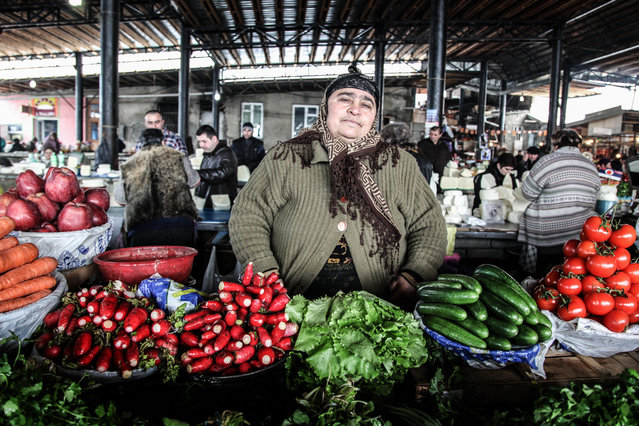
Gianluca Pardelli is something of an expert on markets. For the past two years, he’s travelled across eastern Europe, from Azerbaijan to Uzbekistan, Moldova to Georgia, photographing them. Here: Telavi, Georgia. (Photo by Gianluca Pardelli)
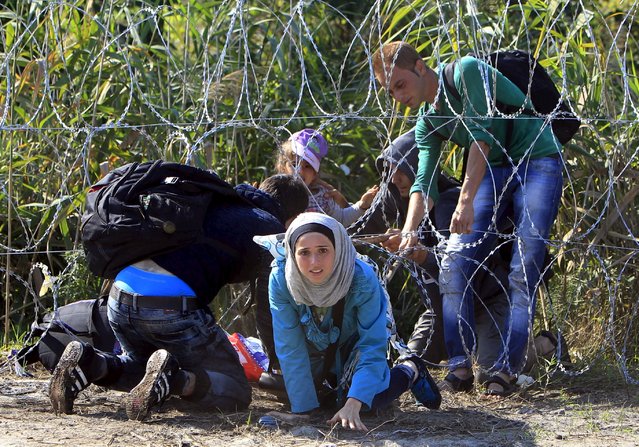
A Syrian migrant family enters Hungary at the border with Serbia near Roszke, Hungary August 28, 2015. As Europe struggles with its worst migrant crisis since World War II, Hungary has become, like Italy and Greece, a “frontline” state. So far this year, police say around 141,500 migrants have been intercepted crossing into Hungary, mostly from neighbouring Serbia. (Photo by Bernadett Szabo/Reuters)
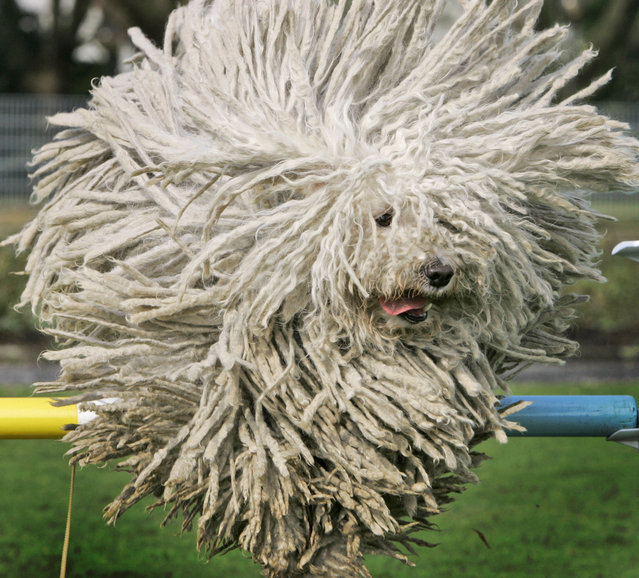
Hungarian Puli sheep dog, Fee, jumps over a hurdle during a preview for a pedigree dog show in Dortmund on Thursday April 24, 2008. (Photo by Frank Augstein/AP Photo)