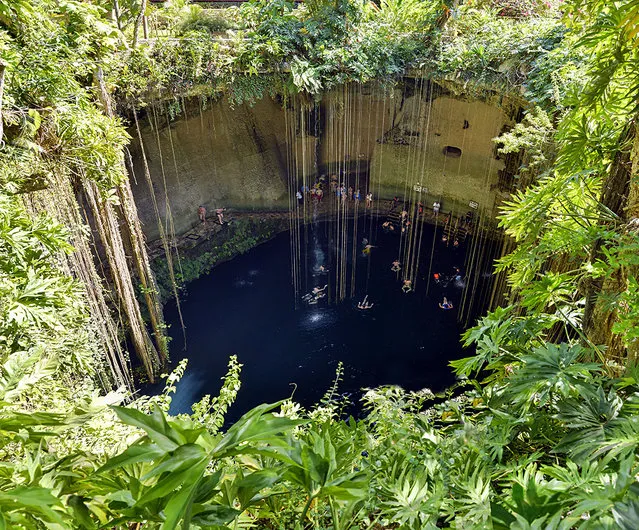
A cenote is a natural phenomenon, a sinkhole in the Earth’s surface. The Yucatan Peninsula in Mexico has an estimated 7,000 cenotes because it is primarily made up of porous limestone. For millions of years, rainfall slowly ate away at the limestone and a huge system of underground caves and caverns was formed. Many filled with water from rain or from the underground water table. When the roof of a water filled cave collapses, a cenote is born. The water found in a cenote may be fresh water, salt water, or both. Structurally it may be completely open, like a lake, almost completely closed with just a small opening at the top, or somewhere in between.
Children are engulfed by foam during the Bubble Show event in Beijing, China, Sunday, June 26, 2016. Thousands of residents enjoy colored foam churned out by machines along a running track at the event designed for children and parents' interaction. (Photo by Ng Han Guan/AP Photo)
Children enjoy and participate in a traditional street race of “carruchas”, the name for makeshift wooden cars in Caracas, Venezuela, Saturday, December 18, 2021. Children enjoyed the race marking 10 years of persevering this tradition. (Photo by Ariana Cubillos/AP Photo)
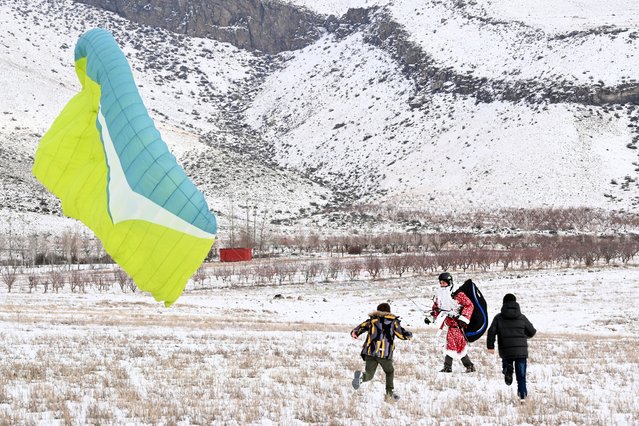
Children run next to a paraglider wearing Santa Claus costume landing to deliver gifts to refugee children from Karabakh region, near the village of Akunk, outside Yerevan, on December 26, 2023, as part of “ParaSanta”, an event organised by the Armenian Paragliding Club. (Photo by Karen Minasyan/AFP Photo)
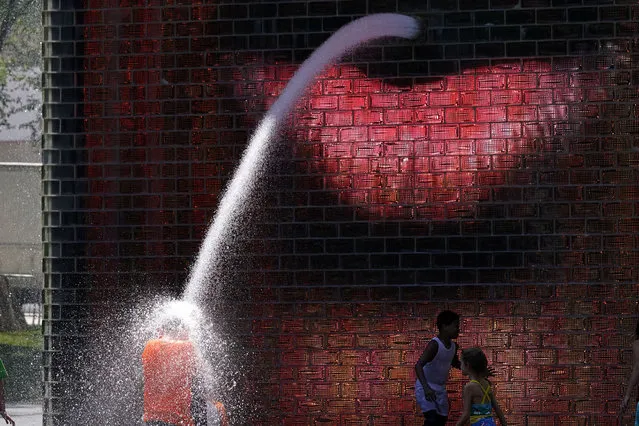
A group of children run into a fountain on the South Bank on August 1, 2011 in London, England. Temperatures in the capital reached around 27 degress today and are expected to hit 30 degrees by Wednesday. (Photo by Dan Kitwood/Getty Images)