Loading...
Done
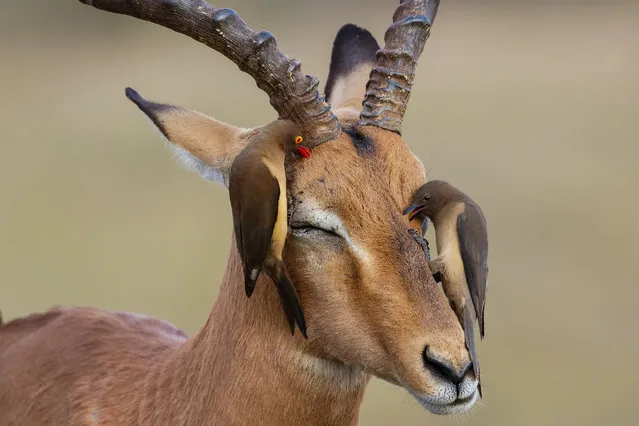
Red-billed oxpecker on an impala, Kruger National Park, South Africa. (Photo by Edmund Aylmer/BPOTY/Cover Images/The Guardian)

The shortlist for the coveted Bird Photographer of the Year awards has been announced by Nature Photographers and the British Trust for Ornithology. Here: Red-billed oxpecker on an impala, Kruger National Park, South Africa. (Photo by Edmund Aylmer/BPOTY/Cover Images/The Guardian)
Details
13 Mar 2018 00:05:00
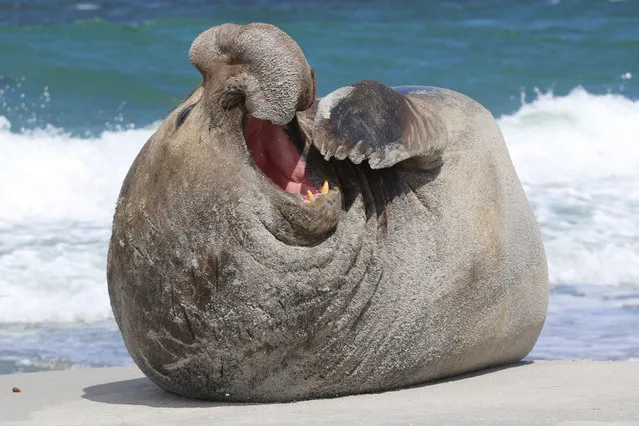
Elephant Seal. (Photo by David Crocker/Caters News Agency)

These hilarious photos show some of nature’s mightiest animals — yawning away! (Actually – not always; AvaxNews). The images were taken by photographers across the world, from the African savannas to the Pacific Ocean. Here: Elephant Seal. (Photo by David Crocker/Caters News Agency)
Details
20 Sep 2019 00:01:00
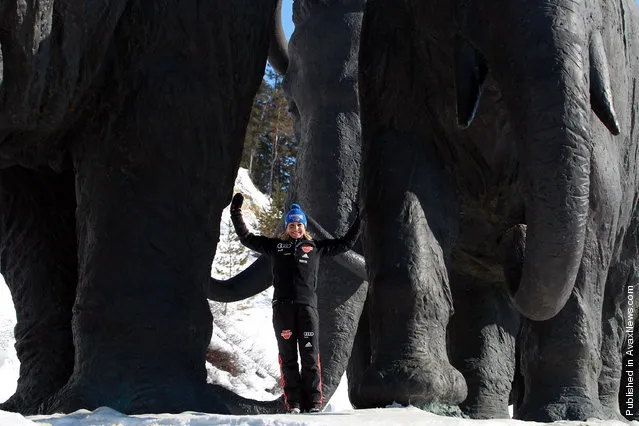
Magdalena Neune

Magdalena Neuner poses in front of mammoth figures during a photocall of the German Biathlon Woman Team at the Archeopark on March 10, 2011 in Khanty-Mansiysk, Russia. On the territory of Archeopark are mammoth sculptural compositions, made of bronze. Mammoths lived in Ugra 70-10 thousand years ago and were members of the Pleistocene, or also called 'the mammoth fauna’. The growth figures exceed the natural factor 2-3 times.
Details
10 Mar 2011 14:09:00
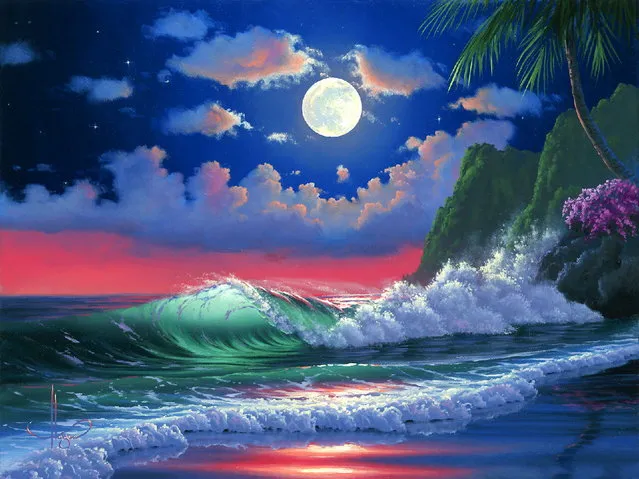
Amazing World By Al Hogue

Light is the sole reason why life exists. It provides us with warmth; it allows us to see; it nourishes all the living things on this planet. Many painters, especially the masters of Old Renaissance Period, have recognized the importance of light and its intimate connection with nature and life itself. In their paintings they gave tribute to light, giving the impression that their paintings had a light source hidden within them. Al Hogue, the artist who created the paintings that you see before you, has studied their techniques for many years. As time went by, light permeated not only his paintings by also his life, becoming his sole philosophy.
Details
06 Mar 2015 06:03:00
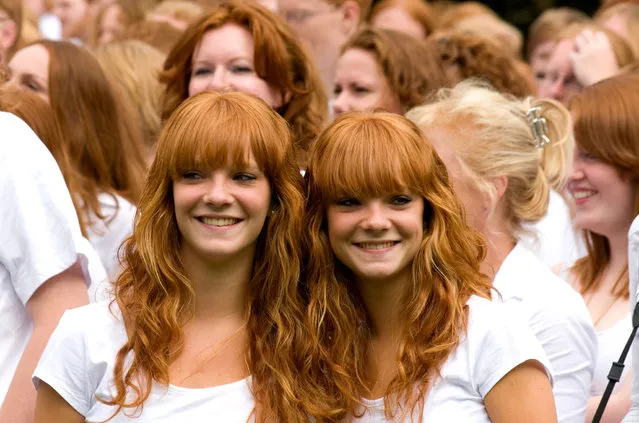
Redhead Day Dutch Summer Festival

Redhead Day (Roodharigendag in Dutch) is the name of a Dutch summer festival that takes place each first weekend of September in the city of Breda, in the Netherlands. The two-day festival is a gathering of people with natural red hair, but is also focused on art related to the colour red. Activities during the festival are lectures, workshops and demonstrations which are aimed specifically at red-haired people. The festival attracts attendance from 50 countries and is free due to sponsorship of the local government.
Details
16 Jul 2014 12:58:00
Hawa Mahal India

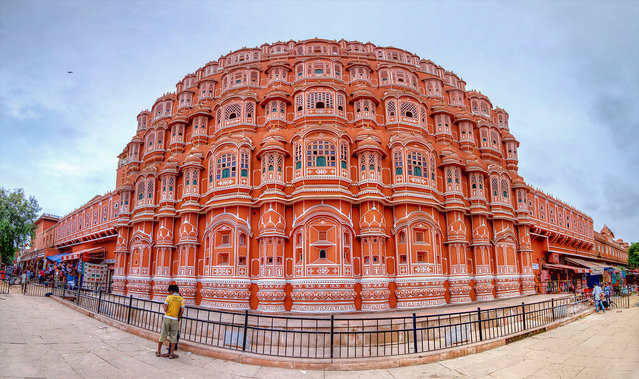
Hawa Mahal, which translates as the Palace of Winds, was built in 1799 by Maharaja Sawai Pratap Singh. The design of the palace was created by Shreyansh Jain to resemble the crown of Krishna. The design of this unique five-story building is akin to a honeycomb. The main purpose of this building was to allow royal ladies to watch the street below while remaining unseen, since during those times they had a strict code of dressing, which meant covering their faces. The palace was designed to produce the Venturi effect, which created natural air conditioning and kept the interior relatively cool during hot summers.
Details
22 Nov 2014 13:22:00
Camp You Are You

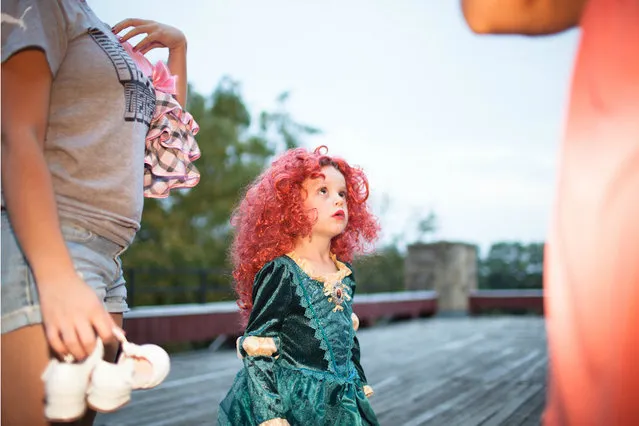
"Camp You Are You (whose name has been changed to protect the privacy of the participants) offers a temporary safe haven where gender-variant boys can freely express their interpretations of femininity alongside their parents and siblings. These images represent the spirit of the children as they shine in an atmoshpere of support. Here they can be true to their inner nature without feeling the need to look over their shoulders." Lindsay Morris
Details
22 Aug 2013 11:24:00
Split Apple Rock

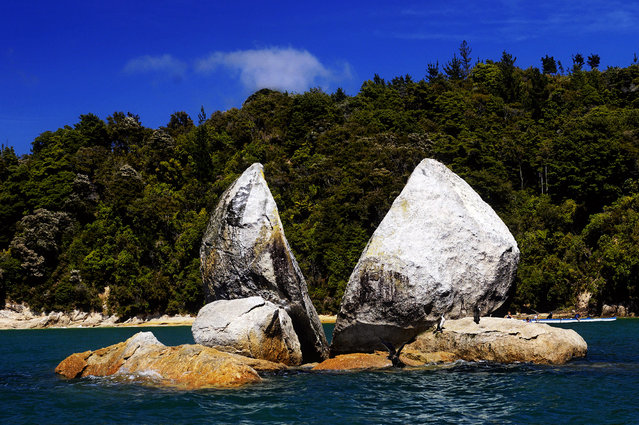
Split Apple Rock is a geological rock formation in The Tasman Bay off the northern coast of the South Island of New Zealand. Made of granite, it is in the shape of an apple which has been cut in half. It is a popular tourist attraction in the waters of the Tasman Sea approximately 50 metres off the coast between Kaiteriteri and Marahau. The rock sits in shallow water at low tide and is accessible by wading. It is also a point of interest for the many tourist boats and pleasure craft which operate along the shores of the Abel Tasman National Park. The cleft to produce two sides of the 'apple' was a natural occurrence. It is unknown when this happened and therefore the cleaving of the rock has attracted mythological explanations.
Details
19 Oct 2013 10:58:00