Loading...
Done
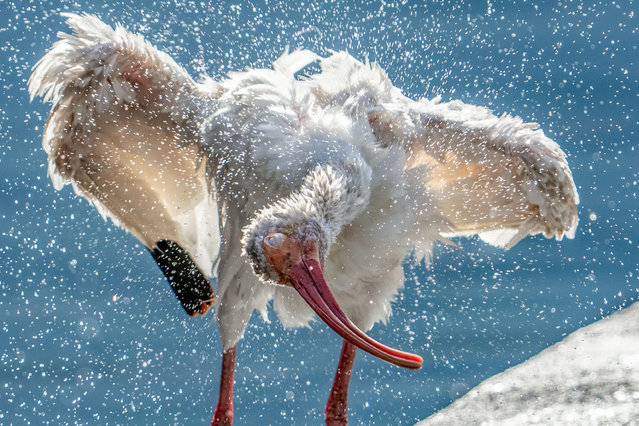
A white ibis takes a shower at Lake Eola in Orlando, Florida, US on September 29, 2025. (Photo byRonen Tivony/NurPhoto/Rex Features/Shutterstock)

A white ibis takes a shower at Lake Eola in Orlando, Florida, US on September 29, 2025. (Photo byRonen Tivony/NurPhoto/Rex Features/Shutterstock)
Details
12 Oct 2025 04:36:00
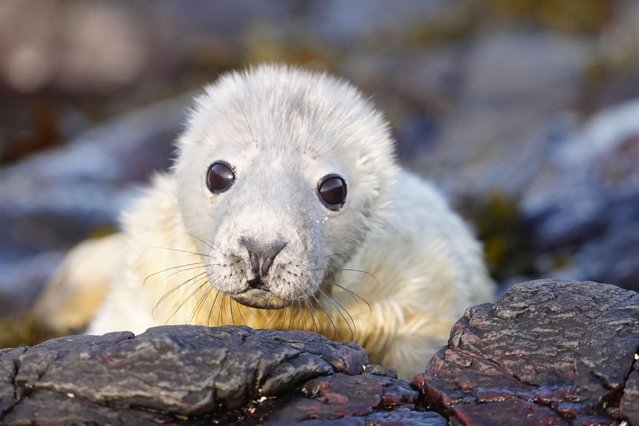
Seals on Wednesday, November 12, 2025 on the Farne Islands during the annual census of pup numbers at one of England's largest grey seal colonies. The islands, off the Northumberland coast, is an important haven for thousands of seabirds and hundreds of adult seals, and are looked after by the National Trust. (Photo by Owen Humphreys/PA Wire)

Seals on Wednesday, November 12, 2025 on the Farne Islands during the annual census of pup numbers at one of England's largest grey seal colonies. The islands, off the Northumberland coast, is an important haven for thousands of seabirds and hundreds of adult seals, and are looked after by the National Trust. (Photo by Owen Humphreys/PA Wire)
Details
23 Nov 2025 06:39:00
Vendors sell clothes on the roadside at a second-hand street side clothing market in Mumbai January 28, 2015. (Photo by Danish Siddiqui/Reuters)

Vendors sell clothes on the roadside at a second-hand street side clothing market in Mumbai January 28, 2015. The market is open daily for three hours and hundreds of vendors gather to barter or sell used clothing. (Photo by Danish Siddiqui/Reuters)
Details
05 Feb 2015 12:19:00
Women carry gas cylinders to fill them at a distribution point in Cairo January 19, 2015. Egypt is going through its worst energy crisis in decades and is seeking fresh sources of natural gas, which powers most of its homes and factories. (Photo by Mohamed Abd El Ghany/Reuters)

Women carry gas cylinders to fill them at a distribution point in Cairo January 19, 2015. Egypt is going through its worst energy crisis in decades and is seeking fresh sources of natural gas, which powers most of its homes and factories. (Photo by Mohamed Abd El Ghany/Reuters)
Details
20 Jan 2015 13:21:00
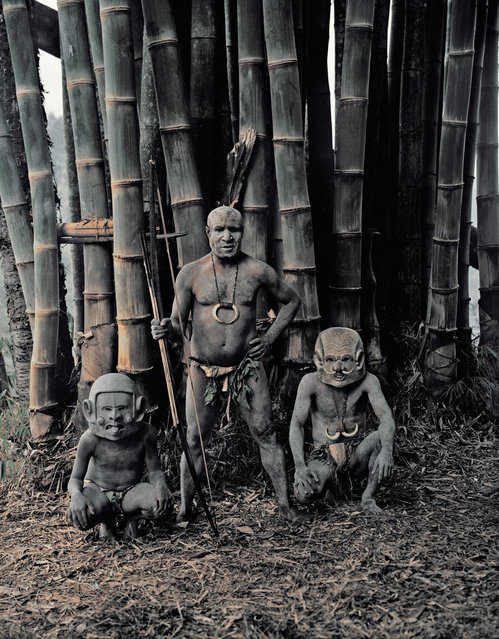
“Asaro from the Eastern Highlands”. The mudmen could not cover their faces with mud because the people of Papua New Guinea thought that the mud from the Asaro river was poisonous. So instead of covering their faces with this alleged poison, they made masks from pebbles that they heated and water from the waterfall, with unusual designs such as long or very short ears either going down to the chin or sticking up at the top, long joined eyebrows attached to the top of the ears, horns and sideways mouths. (Jimmy Nelson)

“Asaro from the Eastern Highlands”. The mudmen could not cover their faces with mud because the people of Papua New Guinea thought that the mud from the Asaro river was poisonous. So instead of covering their faces with this alleged poison, they made masks from pebbles that they heated and water from the waterfall, with unusual designs such as long or very short ears either going down to the chin or sticking up at the top, long joined eyebrows attached to the top of the ears, horns and sideways mouths. (Photo and caption by Jimmy Nelson)
Details
20 Oct 2013 08:54:00


“Chameleons (family Chamaeleonidae) are a distinctive and highly specialized clade of lizards. They are distinguished by their parrot-like zygodactylous feet, their separately mobile and stereoscopic eyes, their very long, highly modified, and rapidly extrudable tongues, their swaying gait, the possession by many of a prehensile tail, crests or horns on their distinctively shaped heads, and the ability of some to change color. Uniquely adapted for climbing and visual hunting, the approximately 160 species of chameleon range from Africa, Madagascar, Spain and Portugal, across south Asia, to Sri Lanka, have been introduced to Hawaii, California and Florida, and are found in warm habitats that vary from rain forest to desert conditions”. – Wikipedia

Photo: A woman with the latest fashion accessory, a chameleon. (Photo by Fox Photos/Getty Images). Circa 1926
Details
20 Mar 2011 15:45:00
Ophiocordyceps Sinensis A.K.A. Caterpillar Fungus

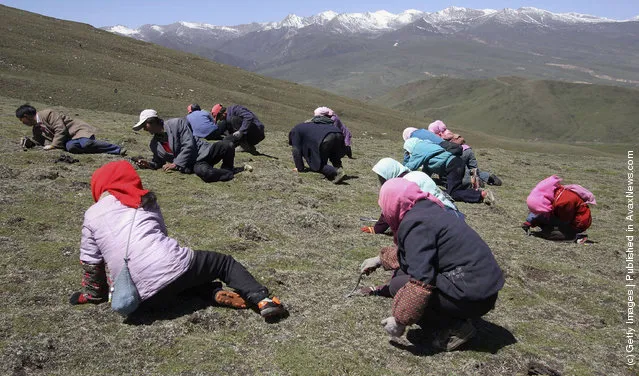
“There are over 680 documented species of the sac fungus genus Ophiocordyceps, and one of the best known of these is Ophiocordyceps sinensis, colloquially known as caterpillar fungus. The fungus is known in Tibetan as yartsa gunbu or yatsa gunbu. O. sinensis is known in the West as a medicinal mushroom and its use has a long history in Traditional Chinese medicine as well as Traditional Tibetan medicine. The highly valuable fungus-caterpillar combination is hand-collected and is used as an aphrodisiac and as a treatment for a variety of ailments from fatigue to cancer”. – Wikipedia

Photo: Nomads dig for Chinese caterpillar fungus from a mountain May 25, 2007 in Guide County, Hainan Prefecture, Qinghai Province, China. Nomads can earn about 2,000 yuan to 5,000 yuan (about U.S. $260 to $653 ) through their work during the fifty-day Chinese caterpillar fungus gathering season. (Photo by China Photos/Getty Images)
Details
26 Sep 2011 10:47:00
A combination photo shows various popular street foods under $6 from various hawker food stalls and eateries in Singapore, taken between July 28 to 31, 2016. Top row (L to R) bak chor mee, soya sauce chicken; Middle row (L to R) laksa, hokkien mee, nasi lemak, ice kachang; Bottom row (L to R) rojak, roti prata and satay. (Photo by Edgar Su/Reuters)

A combination photo shows various popular street foods under $6 from various hawker food stalls and eateries in Singapore, taken between July 28 to 31, 2016. Top row (L to R) bak chor mee, soya sauce chicken; Middle row (L to R) laksa, hokkien mee, nasi lemak, ice kachang; Bottom row (L to R) rojak, roti prata and satay. (Photo by Edgar Su/Reuters)
Details
27 Aug 2016 10:55:00