Loading...
Done
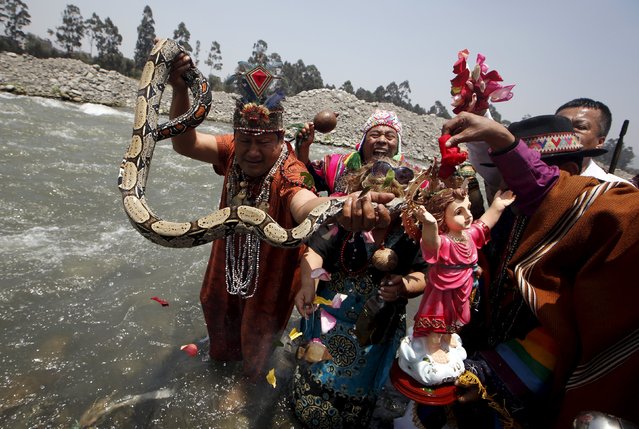
Peruvian shamans holding a figure of a Nino Jesus (Child Jesus) and a snake perform a ritual at the Rimac river to fight the negative effects of the Nino weather phenomena over Nature, in Lima, October 1, 2015. (Photo by Mariana Bazo/Reuters)

Peruvian shamans holding a figure of a Nino Jesus (Child Jesus) and a snake perform a ritual at the Rimac river to fight the negative effects of the Nino weather phenomena over Nature, in Lima, October 1, 2015. (Photo by Mariana Bazo/Reuters)
Details
03 Oct 2015 08:07:00
Local men help a wounded woman  after a mortar attack by the Ukrainian army of the center of Donetsk, Ukraine, 14 August 2014. Reports state that ten local people where wounded and one killed after the mortar attack. (Photo by Sergei Ilnitsky/EPA)

Local men help a wounded woman after a mortar attack by the Ukrainian army of the center of Donetsk, Ukraine, 14 August 2014. Reports state that ten local people where wounded and one killed after the mortar attack. (Photo by Sergei Ilnitsky/EPA)
Details
20 Aug 2014 10:12:00
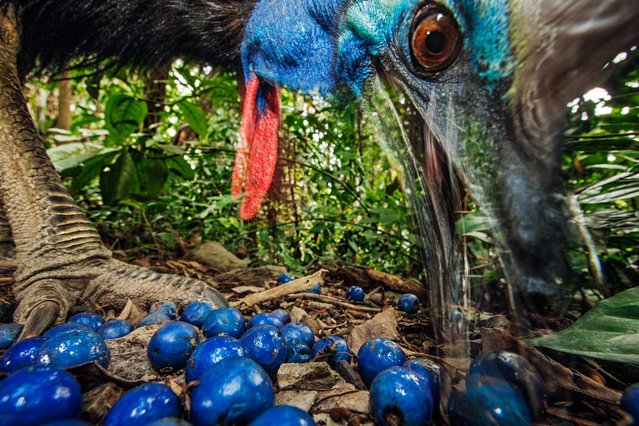
“Cassowaries are large, flightless birds related to emus and (more distantly) to ostriches, rheas, and kiwis”, writes Olivia Judson in the September issue of National Geographic magazine. (Photo by Christian Ziegler/National Geographic)

“Cassowaries are large, flightless birds related to emus and (more distantly) to ostriches, rheas, and kiwis”, writes Olivia Judson in the September issue of National Geographic magazine. How large? People-size: Adult males stand well over five foot five and top 110 pounds. Females are even taller, and can weigh more than 160 pounds. Dangerous when roused, they’re shy and peaceable when left alone. But even birds this big and tough are prey to habitat loss. The dense New Guinea and Australia rain forests where they live have dwindled. Today cassowaries might number 1,500 to 2,000. And because they help shape those same forests – by moving seeds from one place to another – “if they vanish”, Judson writes, “the structure of the forest would gradually change” too. (Photo by Christian Ziegler/National Geographic)

Details
06 Jan 2014 12:21:00
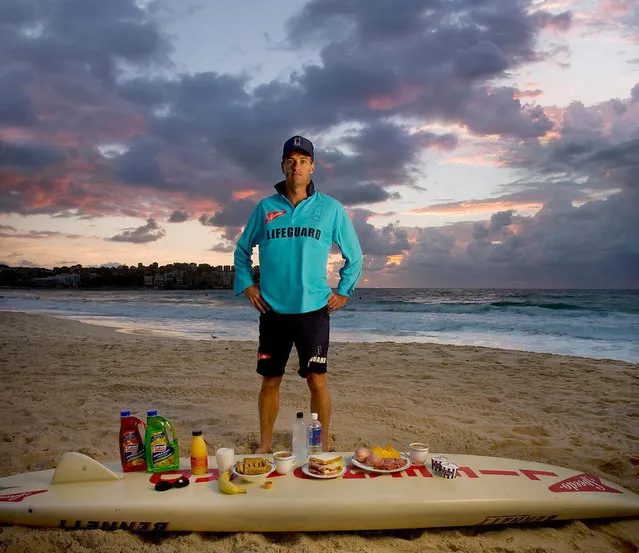
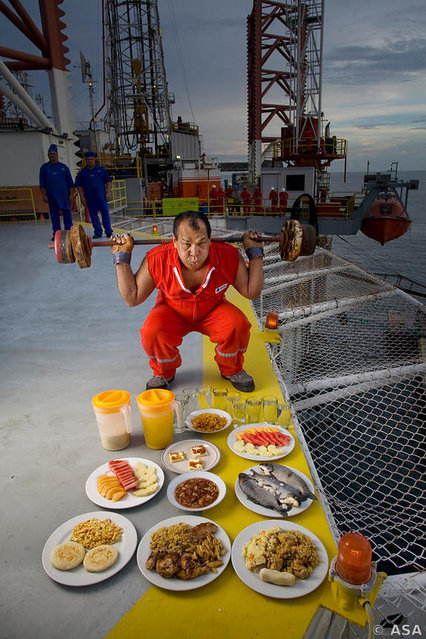
What the World Eats By Peter Menzel And Faith D'Aluisio Part 2

A stunning photographic collection featuring portraits of people from 30 countries and the food they eat in one day. In this fascinating study of people and their diets, 80 profiles are organized by the total number of calories each person puts away in a day. Featuring a Japanese sumo wrestler, a Massai herdswoman, world-renowned Spanish chef Ferran Adria, an American competitive eater, and more, these compulsively readable personal stories also include demographic particulars, including age, activity level, height, and weight. Essays from Harvard primatologist Richard Wrangham, journalist Michael Pollan, and others discuss the implications of our modern diets for our health and for the planet. This compelling blend of photography and investigative reportage expands our understanding of the complex relationships among individuals, culture, and food.
Details
02 May 2014 09:20:00
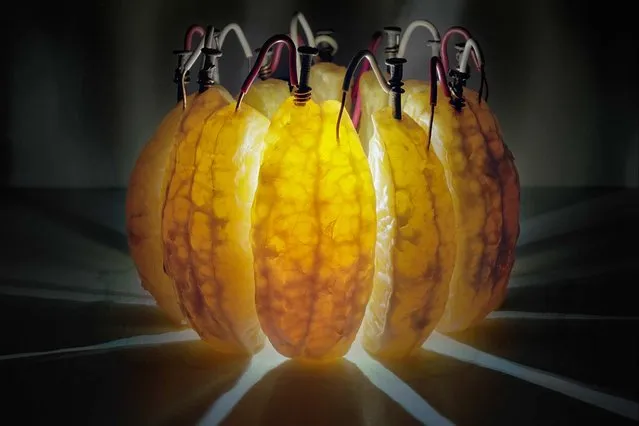
Wedges of an orange generate enough current and electrical juice – 3.5 volts – to power an LED. The fruit’s citric acid helps electrons flow from galvanized nails to copper wire in this 14-hour exposure. This image was published in September’s Visions of Earth, a trio of photos that appear in each issue of National Geographic. (Photo by Caleb Charland/National Geographic)

Wedges of an orange generate enough current and electrical juice – 3.5 volts – to power an LED. The fruit’s citric acid helps electrons flow from galvanized nails to copper wire in this 14-hour exposure. This image was published in September’s Visions of Earth, a trio of photos that appear in each issue of National Geographic. (Photo by Caleb Charland/National Geographic)
Details
06 Jan 2014 12:09:00
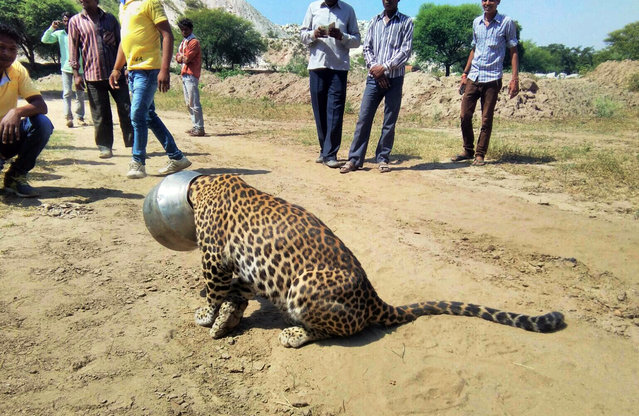
People stand around a leopard with its head stuck in a vessel in Rajsamand district of Rajasthan state, India, Wednesday, September 30, 2015. The leopard's head got stuck when it attempted to drink water from the pot, according to news reports. Forest officials tranquilized the animal and sawed off the vessel later in the day. (Photo by Kabir Jethi/AP Photo)

People stand around a leopard with its head stuck in a vessel in Rajsamand district of Rajasthan state, India, Wednesday, September 30, 2015. The leopard's head got stuck when it attempted to drink water from the pot, according to news reports. Forest officials tranquilized the animal and sawed off the vessel later in the day. (Photo by Kabir Jethi/AP Photo)
Details
31 Dec 2015 08:00:00
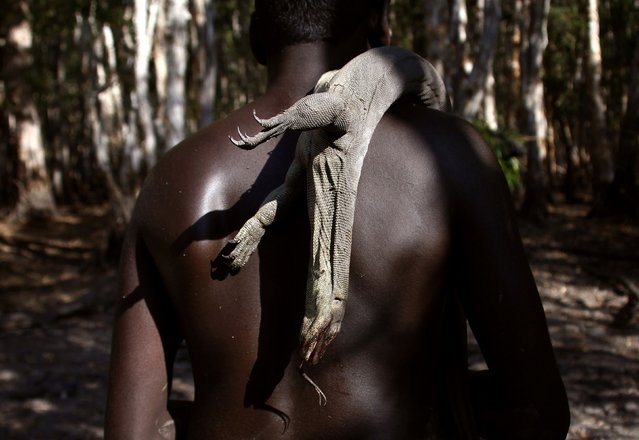
Australian Aboriginal hunter Marcus Gaykamangu of the Yolngu people, carries an Australian native lizard called a goanna over his shoulder as he walks away from a billabong near the “out station” of Yathalamarra, located on the outksirts of the community of Ramingining in East Arnhem Land November 22, 2014. (Photo by David Gray/Reuters)

Australian Aboriginal hunter Marcus Gaykamangu of the Yolngu people, carries an Australian native lizard called a goanna over his shoulder as he walks away from a billabong near the “out station” of Yathalamarra, located on the outksirts of the community of Ramingining in East Arnhem Land November 22, 2014. (Photo by David Gray/Reuters)
Details
11 Dec 2014 13:19:00
What the World Eats By Peter Menzel And Faith D'Aluisio Part 1

A stunning photographic collection featuring portraits of people from 30 countries and the food they eat in one day. In this fascinating study of people and their diets, 80 profiles are organized by the total number of calories each person puts away in a day. Featuring a Japanese sumo wrestler, a Massai herdswoman, world-renowned Spanish chef Ferran Adria, an American competitive eater, and more, these compulsively readable personal stories also include demographic particulars, including age, activity level, height, and weight. Essays from Harvard primatologist Richard Wrangham, journalist Michael Pollan, and others discuss the implications of our modern diets for our health and for the planet. This compelling blend of photography and investigative reportage expands our understanding of the complex relationships among individuals, culture, and food.
Details
23 Apr 2014 14:34:00