Loading...
Done
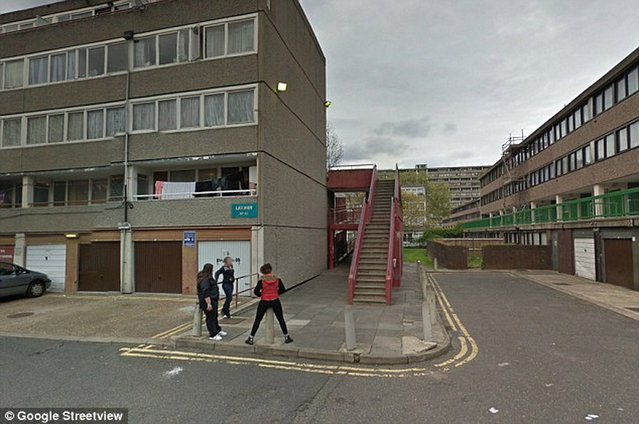
Bad Part of Town By Google Street View

Take a walk on the wild side around some of the most down right dangerous places in the world - and all without leaving your desk, courtesy of Google Street View. Since 2007, Google's amazing technology has given people the chance to visit the Eiffel Tower, peer out over San Francisco's Golden Gate Bridge or walk along a beach in the Bahamas. But as well as mapping the tourist-friendly hotspots, Google also ventured into places you really wouldn't want to find yourself. Here is a collection of some the most notorious areas captured by the infamous roaming camera cars from around the UK and the world.
Details
03 Oct 2013 11:05:00
Historic Hatters of James Lock and Co

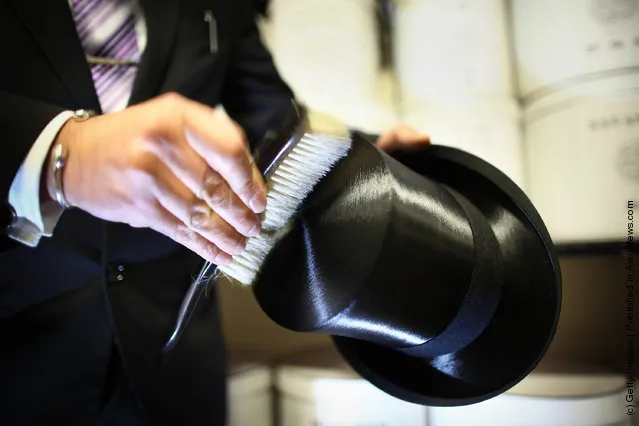
Assistant Manager Jayesh Vaghela brushes a vintage silk top hat at Lock & Co. Hatters on March 22, 2011 in London, England. Founded in St. James's in 1676, when Charles II was on the throne, this family owned business has provided hats for Royalty and the gentry for over 300 years. Staff report that sales of formal hats are booming ahead of the wedding of Prince William and Kate Middleton in Westminster Abbey on April 29, 2011.
Details
27 Mar 2011 12:56:00


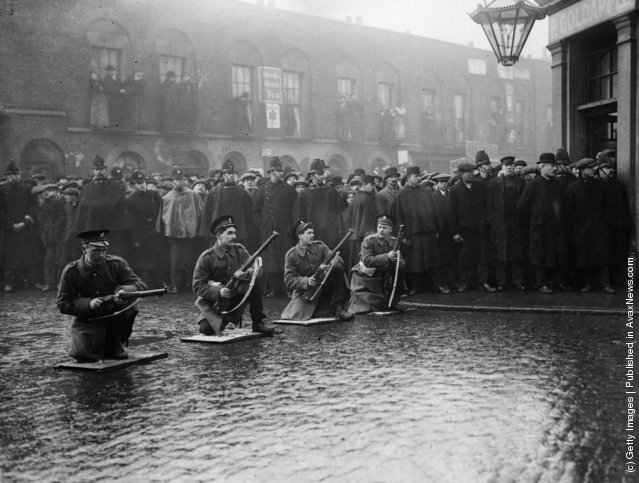
“The Siege of Sidney Street, popularly known as the “Battle of Stepney”, was a notorious gunfight in London's East End on the 2nd of January 1911. Preceded by the Houndsditch Murders, it ended with the deaths of two members of a supposedly politically-motivated gang of burglars supposedly led by Peter Piatkow, a.k.a. “Peter the Painter”, and sparked a major political row over the involvement of the then Home Secretary, Winston Churchill”. – Wikipedia

Photo: Scots Guards and police on duty during the “Siege of Sidney Street” in east London. (Photo by Central Press/Getty Images). 3rd January 1911
Details
03 Apr 2011 09:47:00


Sushi chef Mitsuru Tamura uses a radiation detector on seafood before it is prepared in Manhattan's Sushi Yasuda restaurant April 8, 2011 in New York City. The restaurant has begun using the detector as a precautionary measure due to consumer concerns over possible radiation contamination in seafood from the nuclear emergency in Japan. Health officials believe contamination is unlikely to threaten the food supply chain and none has been found in this restaurant. (Photo by Mario Tama/Getty Images)
Details
09 Apr 2011 08:52:00


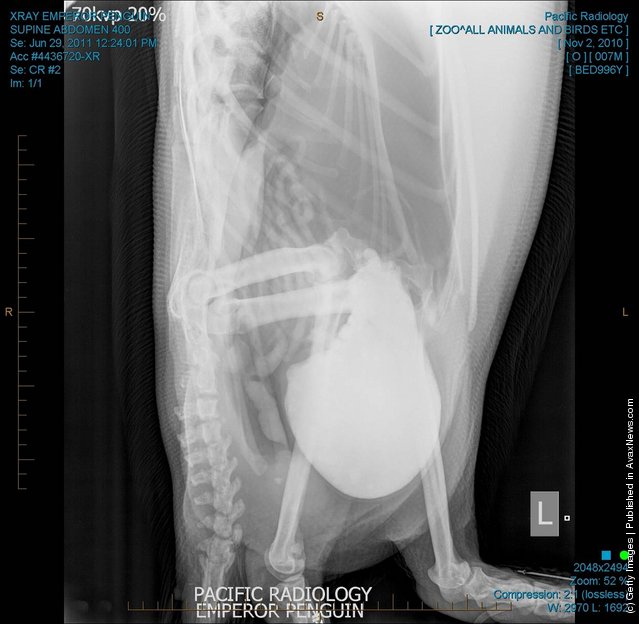
“Happy Feet” the emperor penguin that washed up on the Kapiti Coast last week, undergoes a medical examination at Wellington Zoo on June 29, 2011 in Wellington, New Zealand. The young penguin landed on NZ shores last week, after traveling over 3,000 kilometres from the antarctic. The ill penguin was operated on at Wellington Zoo several times this week to remove sand and sticks from it's stomach with hopes it will recover fully. A team of experts is likely to decide today, whether the bird will remain in captivity in New Zealand, or be transported back the the antarctic. (Photo by Hagen Hopkins/Getty Images)
Details
29 Jun 2011 11:26:00
Police Arrest Riot Suspects in London

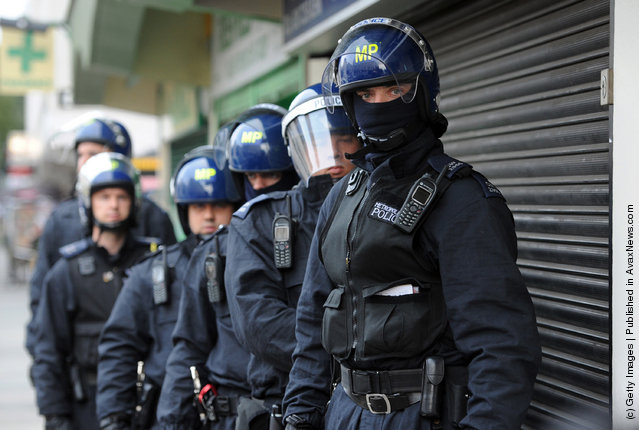
Metropolitan Police officers prepare to carry out a raid on a property on the Churchill Gardens estate in Pimlico during Operation Woodstock on August 11, 2011 in London, England. Over 1,000 people have been arrested since the rioting began on Saturday and Police have started to raid properties across the capital as they round up people suspected of involvement in the rioting and recover stolen property. (Photo by Anthony Devlin - WPA Pool/Getty Images)
Details
12 Aug 2011 11:25:00
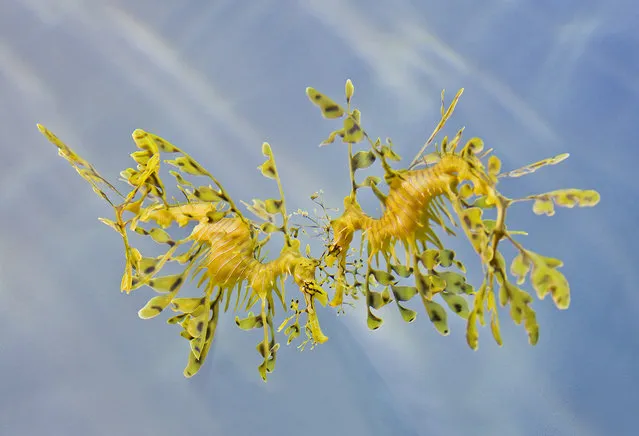
Leafy sea dragon

The leafy seadragon or Glauert's seadragon, Phycodurus eques, is a marine fish in the family Syngnathidae, which also includes the seahorses. It is the only member of the genus Phycodurus. It is found along the southern and western coasts of Australia. The name is derived from the appearance, with long leaf-like protrusions coming from all over the body. These protrusions are not used for propulsion; they serve only as camouflage. The leafy seadragon propels itself by means of a pectoral fin on the ridge of its neck and a dorsal fin on its back closer to the tail end. These small fins are almost completely transparent and difficult to see as they undulate minutely to move the creature sedately through the water, completing the illusion of floating seaweed.
Details
05 Sep 2012 08:51:00
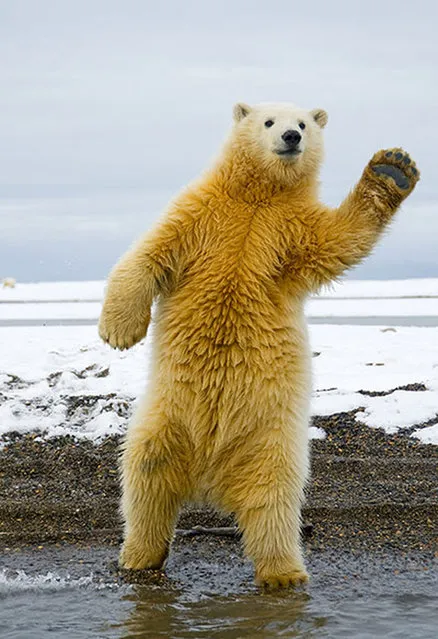
Polar Bear Photo Steven Kazlowski

The polar bear — a charismatic icon in the struggle against climate change — faces a precarious future along with other ice-dependent species as its Arctic habitat rapidly continues to melt away.

With camera in hand, wildlife photographer Steven Kazlowski has dedicated over eight years of work to bring to life the immediate reality of this most pressing environmental crisis — the devastation of the Arctic ecosystem through global warming.
Details
18 Oct 2012 10:14:00