A performer practices her mermaid swim next to a shark in an aquarium after graduating from a mermaid workshop in Guangzhou, Guangdong Province, China December 16, 2016. (Photo by Tyrone Siu/Reuters)
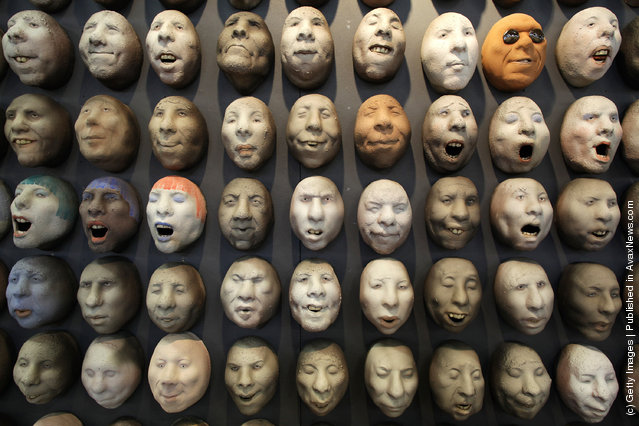
Pottery heads by artist Johan Thunell are displayed at The Affordable Art Fair on March 15, 2012 in London, England. 120 galleries are displaying works costing from £40 – £4000. Photography, paintings, prints and sculptures are on sale from 15–18th March 2012. (Photo by Peter Macdiarmid/Getty Images)
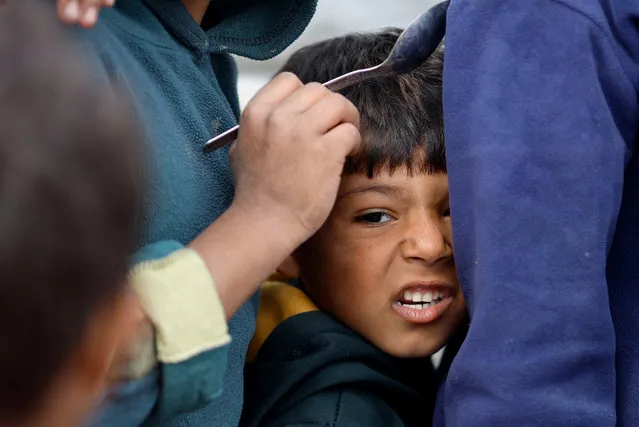
A boy reacts as Palestinians wait to receive food amid shortages of food supplies, amid the ongoing conflict between Israel and the Palestinian Islamist group Hamas, in Rafah in the southern Gaza Strip on January 17, 2024. (Photo by Mohammed Salem/Reuters)
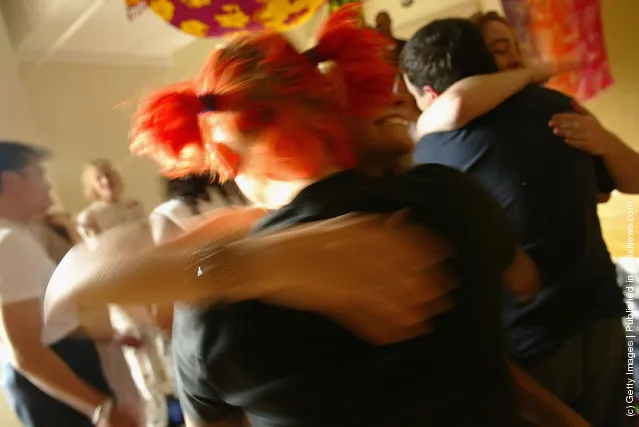
“A cuddle party or cuddle puddle is an event designed with the intention of allowing people to experience non-sexual group physical intimacy through cuddling. Cuddle parties are described by organizers as “workshop/social-events” that gives adults an opportunity to “give and receive welcomed affectionate touch in a no-expectation, friendly setting, according to your needs, desires, interests, and boundaries”. Cuddle parties are described as non-sexual events but kissing may occur at some parties”. – Wikipedia
Photo: People cuddle during an a “Cuddle Party” October 16, 2004 in New York City. Started by Reid Mihalko and Marcia Baczynski, cuddle parties are events for adults to get together and explore affectionate touch and communication without it becoming sexualized. At the parties, strangers spend time introducing themselves and setting boundaries before lying down to cuddle. (Photo by Spencer Platt/Getty Images)
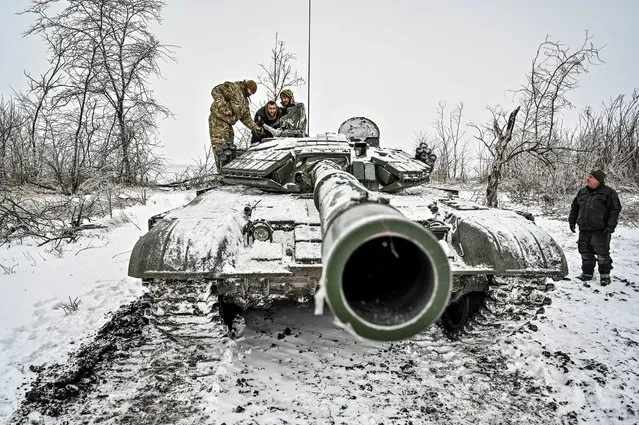
Ukrainian servicemen of the 128th separate mountain assault Transcarpathian brigade of the Armed Forces of Ukraine take part in tank drills, amid Russia's attack on Ukraine, in Zaporizhzhia region, Ukraine on January 11, 2024. (Photo by Reuters/Stringer)
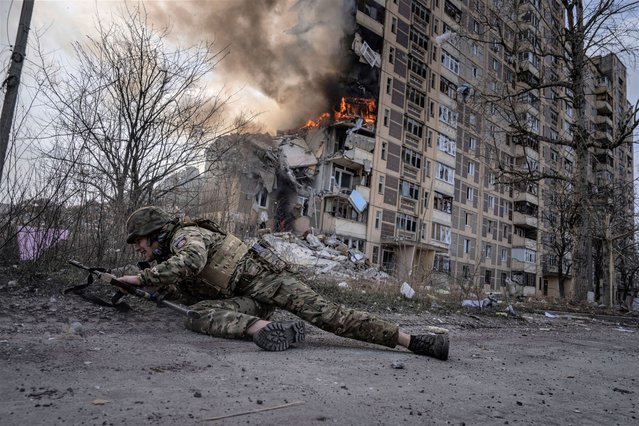
A Ukrainian police officer takes cover in front of a burning building that was hit in a Russian airstrike in Avdiivka, Ukraine, Friday, March 17, 2023. (Photo by Evgeniy Maloletka/AP Photo)
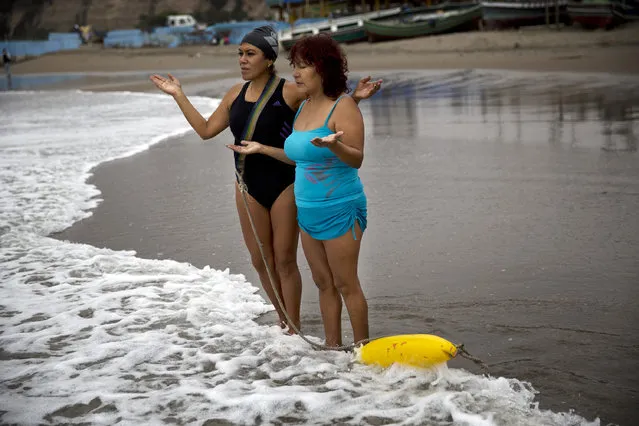
In this May 8, 2015 photo, sisters Zoraida Infante, left, and Graciela Trujillo pray on Fishermen's Beach before therapeutic swimming in the Pacific Ocean in Lima, Peru. Under overcast skies, the bathers practice thalassotherapy, which derives from the Greek “thalasso”, for “sea”, and draws on the ocean's healing properties. (Photo by Rodrigo Abd/AP Photo)
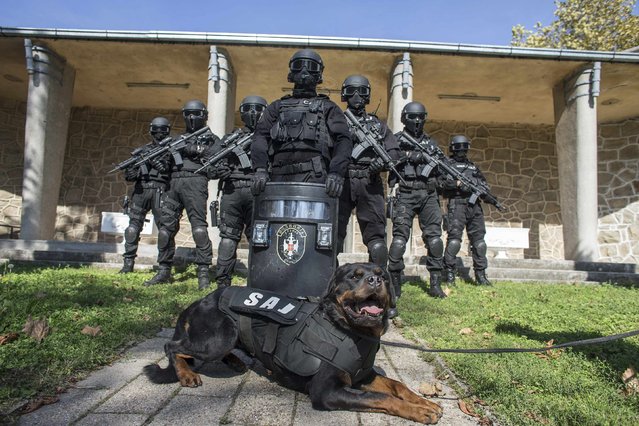
Serbian police officers of the Special Anti-Terrorist Unit pose for a picture in their base outside Belgrade October 8, 2014. When the killing of an unarmed black teenager by a white policeman in Ferguson, Missouri, in August sparked sometimes violent protests, the response of police in camouflage gear and armoured vehicles wielding stun grenades and assault rifles seemed more like a combat operation than a public order measure. Some U.S. police departments have recently acquired U.S. military-surplus hardware from wars abroad, but there are many law enforcers around the world whose rules of engagement also allow the use of lethal force with relatively few restrictions. But for every regulation that gives police wide scope to use firearms, there is another code that sharply limits their use. In Serbia, police may use measures ranging from batons to special vehicles, water cannon and tear gas on groups of people who have gathered illegally and are behaving in a way that is violent or could cause violence, but they may use firearms only when life is endangered. (Photo by Marko Djurica/Reuters)