Loading...
Done
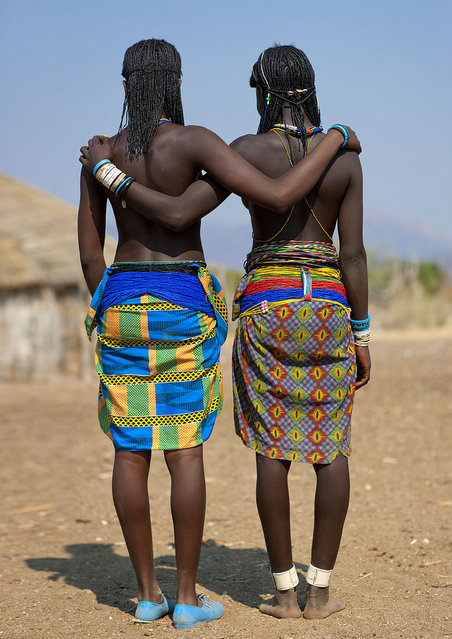
“Show us our butts! Mucawana tribe – Angola. In Soba village, the Muhacaona (Mucawana) tribe, perhaps the best place i have visited. They use cow dung and fat to make this so nice haircut, and love the beads. They asked me to make pictures of their backs... and butts to see on the camera screen if everything was perfect!”. (Eric Lafforgue)

“Show us our butts! Mucawana tribe – Angola. In Soba village, the Muhacaona (Mucawana) tribe, perhaps the best place i have visited. They use cow dung and fat to make this so nice haircut, and love the beads. They asked me to make pictures of their backs... and butts to see on the camera screen if everything was perfect!”. (Photo and comments by Eric Lafforgue)
Details
09 Nov 2012 15:04:00
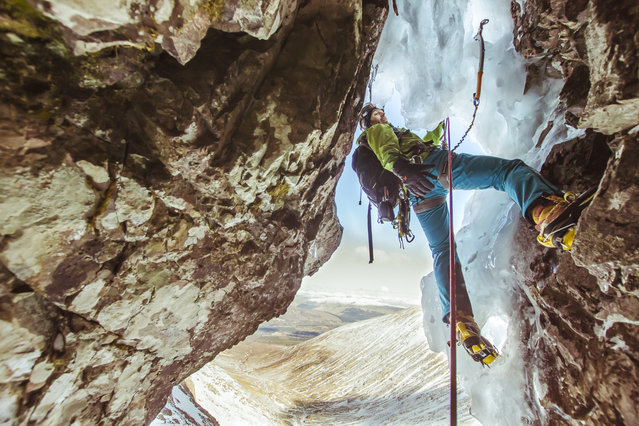
“Winter Climbing from inside Ben Nevis”. The view from inside the mountain, as a winter climber passes through the cave on Minus Three gully. Photo location: Ben Nevis, Fort William, Scotland. (Photo and caption by Daniel Wildey/National Geographic Photo Contest)

“Winter Climbing from inside Ben Nevis”. The view from inside the mountain, as a winter climber passes through the cave on Minus Three gully. Photo location: Ben Nevis, Fort William, Scotland. (Photo and caption by Daniel Wildey/National Geographic Photo Contest)
Details
24 Jun 2014 12:18:00
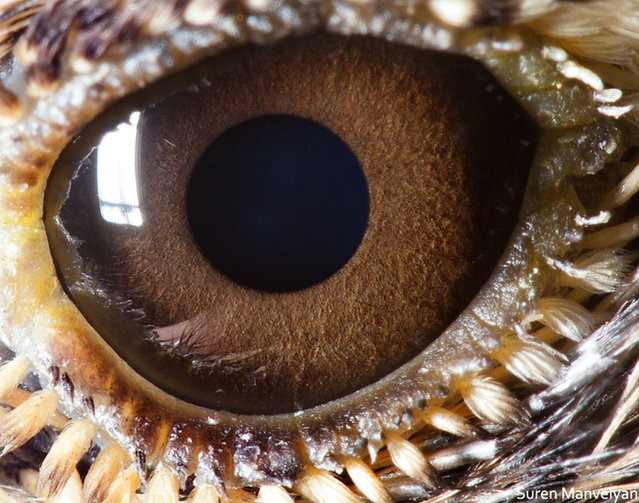
Animal Eyes by Suren Manvelyan

Born in 1976, Suren started to photograph when he was sixteen and became a professional photographer in 2006. His photographic interests span from Macro to Portraits, Creative photo projects, Landscape, and much more.
Details
14 Sep 2012 12:22:00


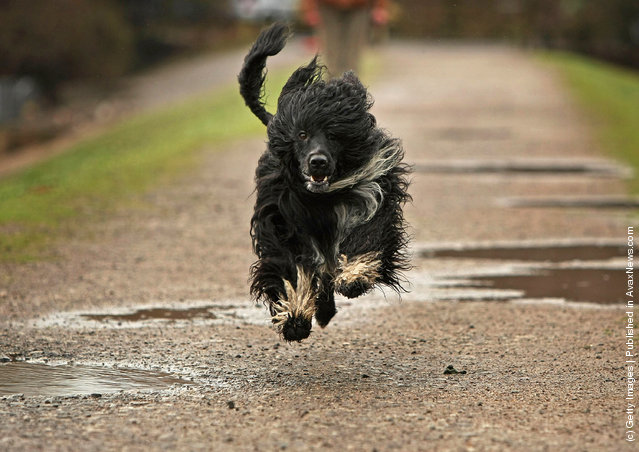
“The Portuguese Water Dog is a breed of working dog as classified by the American Kennel Club. Portuguese Water Dogs are originally from the Portuguese region of the Algarve, from where the breed expanded to all around Portugal's coast, where they were taught to herd fish into fishermen's nets, to retrieve lost tackle or broken nets, and to act as couriers from ship to ship, or ship to shore. Portuguese Water Dogs rode in bobbing fishing trawlers as they worked their way from the warm Atlantic waters of Portugal to the frigid fishing waters off the coast of Iceland where the fleets caught cod to bring home. Portuguese Water Dogs were often taken with sailors during the Portuguese discoveries”. – Wikipedia

Photo: Kix, a Portuguese Water Dog , enjoys a walk around the muddy fields near his home before the grooming and preparation starts for this years Crufts on March 3, 2009 in Telford, England. (Photo by Christopher Furlong/Getty Images)

Details
26 Jul 2011 11:27:00
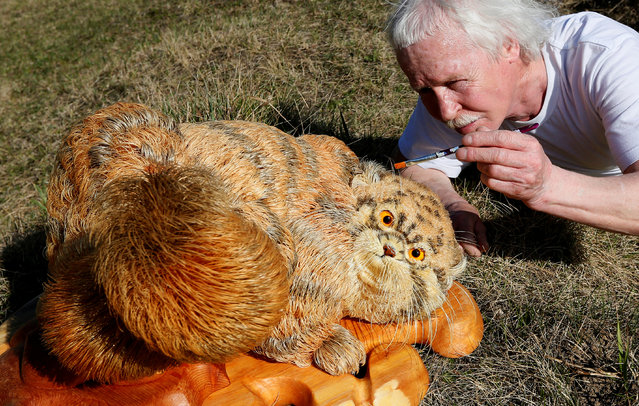
Sergei Bobkov, 59, paints Siberian cedar nut oil onto a life-size sculpture of Pallas's Cat, also known in Russia as Manul Cat, which he made from Siberian cedar wood shavings using more than 700 thousand pieces over four years, in the village of Kozhany, southwest of the Siberian city of Krasnoyarsk, Russia, April 28, 2017. (Photo by Ilya Naymushin/Reuters)

Sergei Bobkov, 59, paints Siberian cedar nut oil onto a life-size sculpture of Pallas's Cat, also known in Russia as Manul Cat, which he made from Siberian cedar wood shavings using more than 700 thousand pieces over four years, in the village of Kozhany, southwest of the Siberian city of Krasnoyarsk, Russia, April 28, 2017. (Photo by Ilya Naymushin/Reuters)
Details
29 Apr 2017 09:20:00
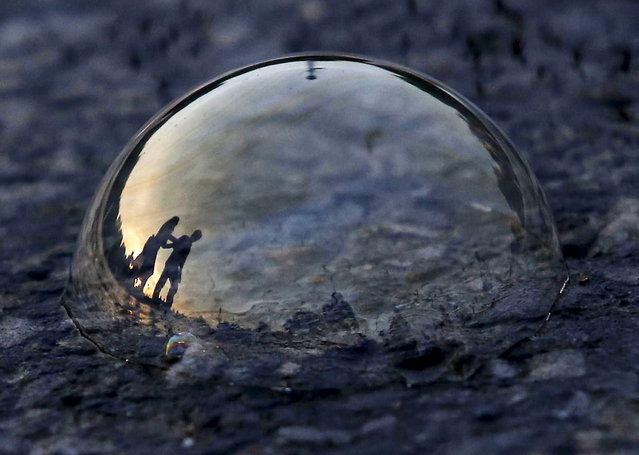
People are reflected on a soap bubble lying on a road during the evening in New Delhi, India, June 23, 2015. (Photo by Anindito Mukherjee/Reuters)

People are reflected on a soap bubble lying on a road during the evening in New Delhi, India, June 23, 2015. (Photo by Anindito Mukherjee/Reuters)
Details
17 Aug 2015 11:51:00
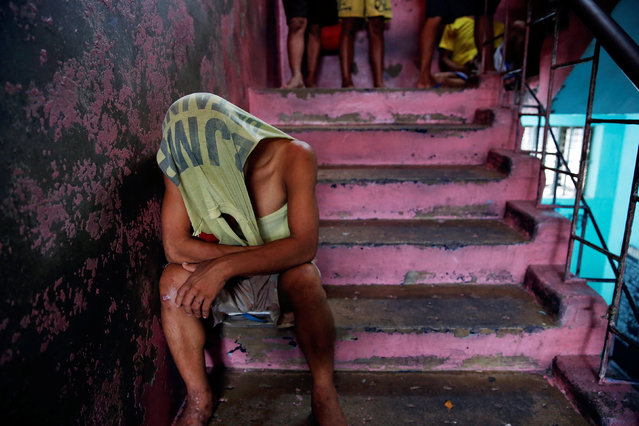
An inmate covers his head as he passes the time inside Quezon City Jail in Manila, Philippines October 19, 2016. (Photo by Damir Sagolj/Reuters)

An inmate covers his head as he passes the time inside Quezon City Jail in Manila, Philippines October 19, 2016. Nearly 2,300 drug users and dealers have been killed in police operations or by suspected vigilantes since Duterte took office on June 30, according to the Philippines police. (Photo by Damir Sagolj/Reuters)
Details
09 Nov 2016 06:35:00
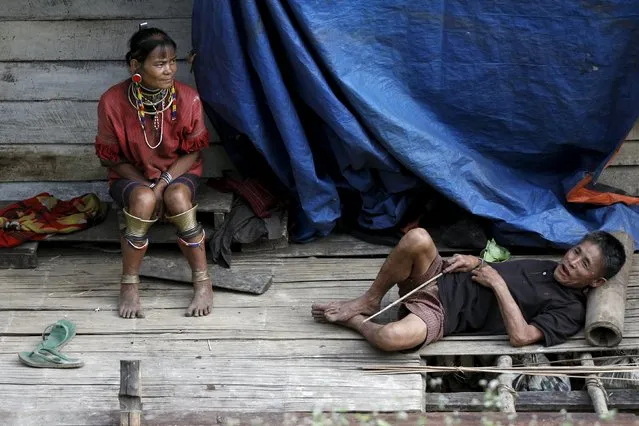
An ethnic Kayaw couple Mu Htoo and her husband Htaw Eili rest at their home at Htaykho village in the Kayah state, Myanmar September 12, 2015. (Photo by Soe Zeya Tun/Reuters)

An ethnic Kayaw couple Mu Htoo and her husband Htaw Eili rest at their home at Htaykho village in the Kayah state, Myanmar September 12, 2015. With about 30,000 members, the Kayaw are one of the smallest ethnic minorities among Myanmar's 135 groups. Their village has for decades been off-limits, as armed rebels fought the military before a recent ceasefire stopped the bloody conflict here. The rebels in the area have put down their guns and taken to the hills to grow rice and corn, but slash-and-burn cultivation methods mean they struggle to find new places to farm. (Photo by Soe Zeya Tun/Reuters)
Details
21 Oct 2015 08:03:00