Loading...
Done
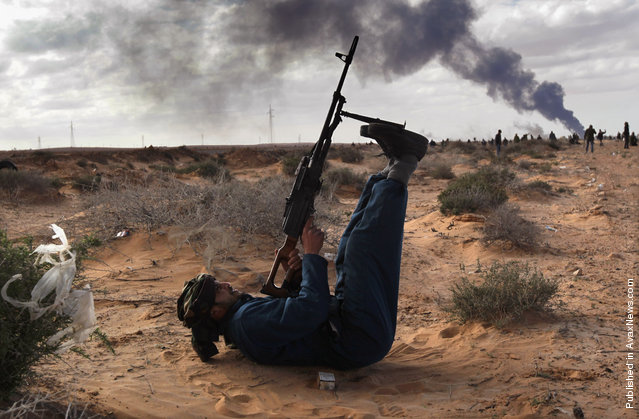
Eastern Libya

A Libyan rebel fires on a government jet as a natural gas facility burns on the frontline on March 9, 2011 near Ras Lanuf, Libya. The rebels pushed back government troops loyal to Libyan leader Muammar Gaddafi towards Ben Jawat.

Details
09 Mar 2011 16:53:00


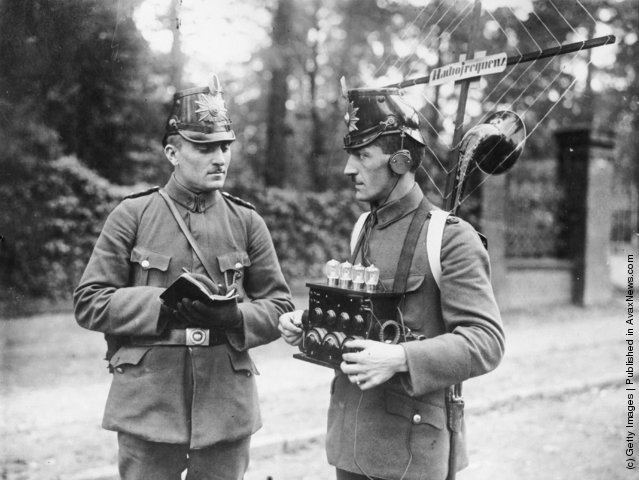
A member of the German wireless police picks up signals on the radio equipment he carries on his back, while his colleague takes notes. (Photo by General Photographic Agency/Getty Images). Circa 1925
Details
22 Jul 2013 22:48:00


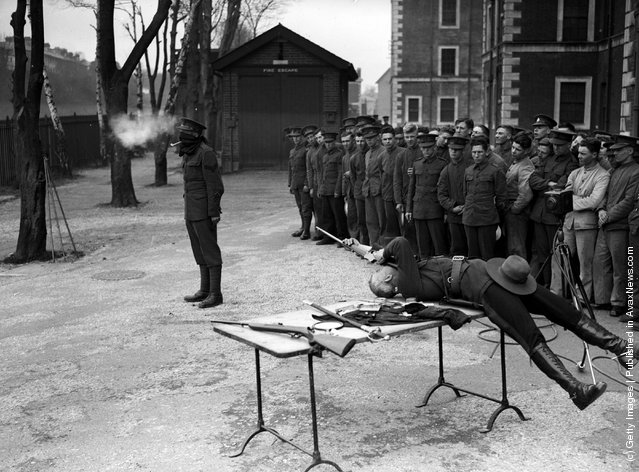
Captain George Ash lies on his back as he prepares to shoot the bowl from the clay pipe held between a blindfolded corporal's teeth. (Photo by Fox Photos/Getty Images). 18th April 1932
Details
25 Jun 2011 09:16:00
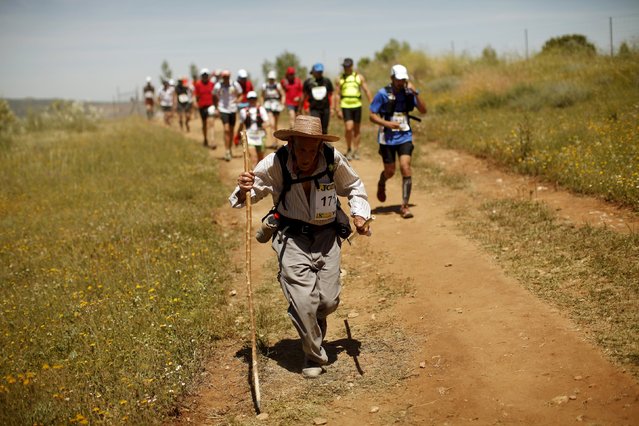
Spanish runner Francisco Contreras, 77, known as “Super Paco”, runs as he participates in the XVIII 101km international competition in the outskirts of Ronda, southern Spain, May 9, 2015. (Photo by Jon Nazca/Reuters)

Spanish runner Francisco Contreras, 77, known as “Super Paco”, runs as he participates in the XVIII 101km international competition in the outskirts of Ronda, southern Spain, May 9, 2015. About 7,000 participants, including runners, mountain bikers and duathletes, run a track of 101 km (63 miles) in less than 24 hours through the “Serrania de Ronda” (Ronda Mountain Range) during this competition organised by the 4th Tercio (Regiment) “Alejandro Farnesio” of the Spanish Legion. The Puente Nuevo is 120 metres (394 feet) high over the gorge of the river that divides the city of Ronda. Picture taken using long exposure. (Photo by Jon Nazca/Reuters)

Details
11 May 2015 12:17:00
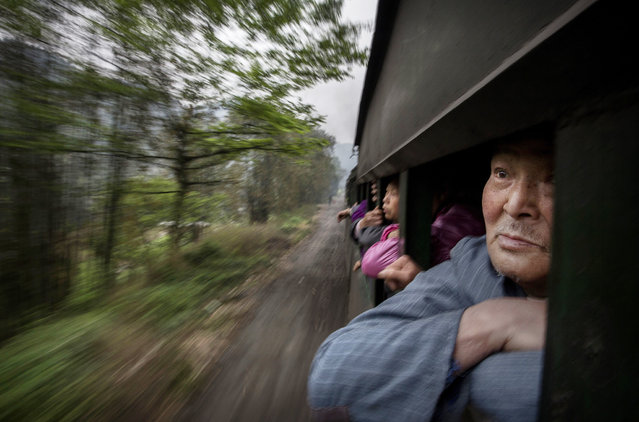
Local villagers ride a local coal powered steam train on March 27, 2015 at a station in the town of Shixi , Sichuan Province, in Southern China. While China boasts the world's most extensive high-speed rail infrastructure. (Photo by Kevin Frayer/Getty Images)

Local villagers ride a local coal powered steam train on March 27, 2015 at a station in the town of Shixi , Sichuan Province, in Southern China. While China boasts the world's most extensive high-speed rail infrastructure with over 16,000 kilometers of track, the Shixi-Bagou railway is still a primary connection for local villagers between towns and is kept alive by tourist cars carrying passengers for ten times the price. The rail line came into service in the late 1950s and the train was initially used to transport coal from a now-shuttered mine before passenger carriages were added. (Photo by Kevin Frayer/Getty Images)
Details
12 May 2015 12:00:00
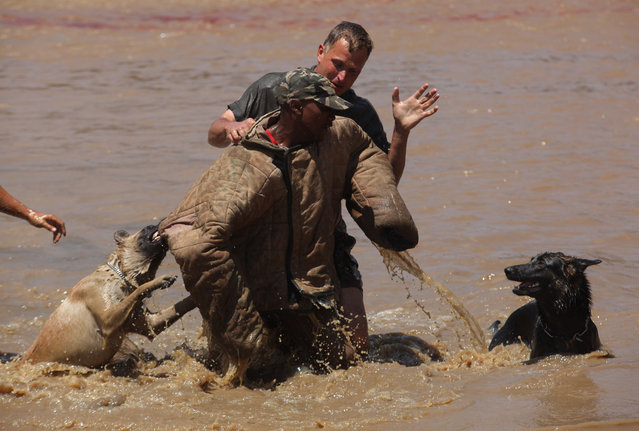
In this photo taken Wednesday, November 26, 2014 attack dogs and their handlers apprehend a “rhino poacher” center, after alighting from a helicopter into water,  in a simulation exercise showing training at an academy run by the Paramount Group, near Rustenburg, South Africa. (Photo by Denis Farrell/AP Photo)

In this photo taken Wednesday, November 26, 2014 attack dogs and their handlers apprehend a “rhino poacher” center, after alighting from a helicopter into water, in a simulation exercise showing training at an academy run by the Paramount Group, near Rustenburg, South Africa. The course prepares canine units to find firearms or contraband, track suspects in the undergrowth and abseil in harnesses from helicopters in pursuit of poachers. Dogs and handlers learn to trust each other and fine tune a relationship balancing control and aggression. (Photo by Denis Farrell/AP Photo)
Details
01 Dec 2014 14:14:00
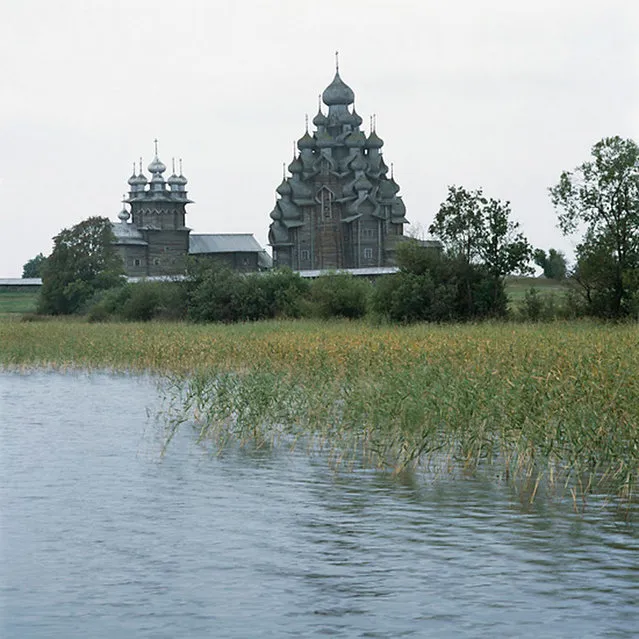
Wooden Churches - Travelling In The Russian North By Richard Davies Part 1

While communism, collectivism, worms, dry rot and casual looting failed to destroy the majestic wooden churches of Russia, it may be ordinary neglect that finally does them in. Dwindled now to several hundred remaining examples, these glories of vernacular architecture lie scattered amid the vastness of the world’s largest country. Just over a decade ago, Richard Davies, a British architectural photographer, struck out on a mission to record the fragile and poetic structures. Austerely beautiful and haunting, “Wooden Churches: Traveling in the Russian North” (White Sea Publishing; $132) is the result. Covering thousands of miles, Mr. Davies described how he and the writer Matilda Moreton tracked down the survivors from among the thousands of onion-domed structures built after Prince Vladimir converted to Christianity in 988.
Details
25 Nov 2013 12:47:00
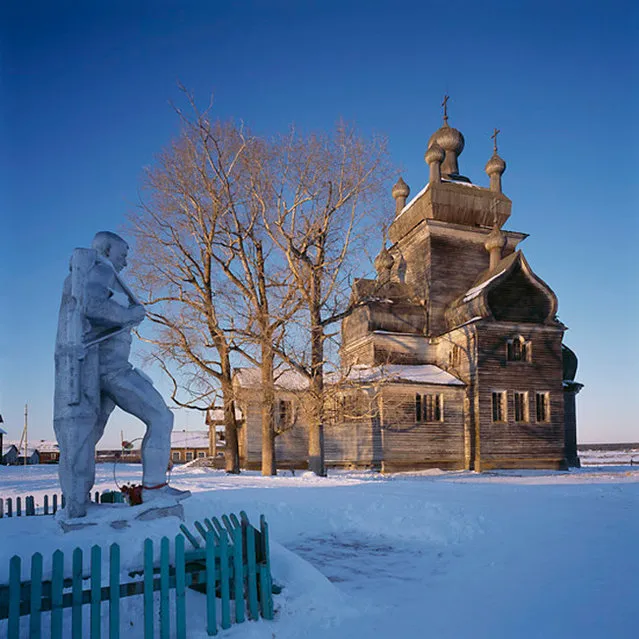
Wooden Churches - Travelling In The Russian North By Richard Davies Part 2

While communism, collectivism, worms, dry rot and casual looting failed to destroy the majestic wooden churches of Russia, it may be ordinary neglect that finally does them in. Dwindled now to several hundred remaining examples, these glories of vernacular architecture lie scattered amid the vastness of the world’s largest country. Just over a decade ago, Richard Davies, a British architectural photographer, struck out on a mission to record the fragile and poetic structures. Austerely beautiful and haunting, “Wooden Churches: Traveling in the Russian North” (White Sea Publishing; $132) is the result. Covering thousands of miles, Mr. Davies described how he and the writer Matilda Moreton tracked down the survivors from among the thousands of onion-domed structures built after Prince Vladimir converted to Christianity in 988.

See also: Wooden Churches Part1
Details
28 Nov 2013 12:13:00