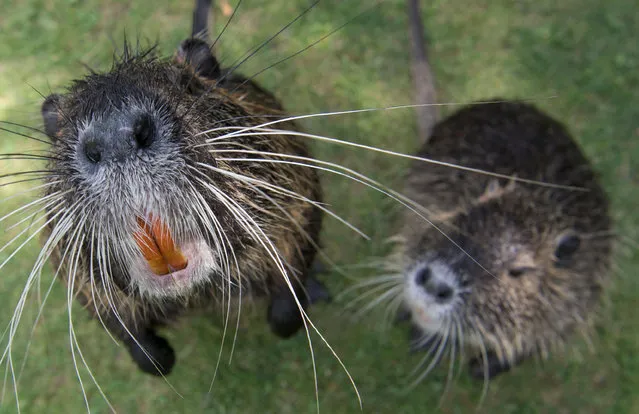
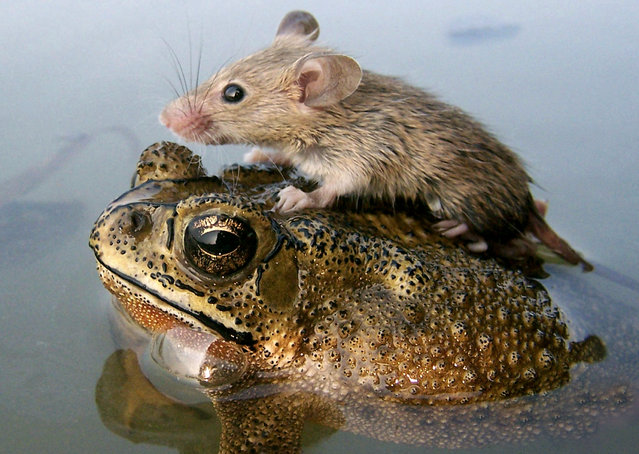
Nutrias venture near the camera at the river Nidda in Frankfurt am Main, Germany, 15 June 2017. The rabbit sized animals are often confused with biebers by amateurs. (Photo by Boris Roessler/DPA)
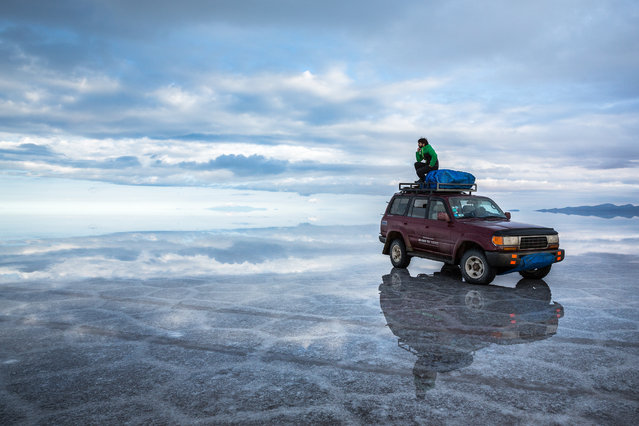
At 10,582 square kilometres, the Bolivian salt flats – otherwise known as Salar de Uyuni – are the largest on the planet and contain between 50 and 70% of the world’s lithium reserves. After exploring Chile and Argentina, photographer Joel Santos decided to travel to Bolivia in January 2017 to check the salt flats off his bucket list. With an electrical storm rolling in, Joel and his two travelling companions were the only souls left on the vast flats and captured the eerie flats without a person in sight. (Photo by Joel Santos/Barcroft Images)
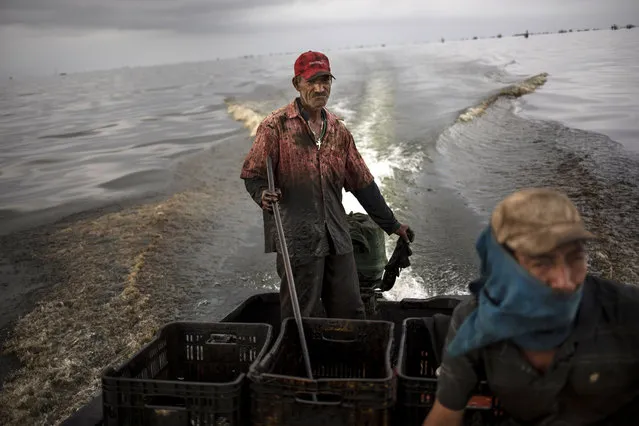
Fisherman Jose Miguel Perez, whose nickname is “Taliban”, navigates the oil infested waters of Lake Maracaibo, near Cabimas, Venezuela, May 21, 2019. Nobody lives as closely with the environmental fallout of Venezuela's collapsing oil industry as the fishermen who scratch out an existence on the blackened, sticky shores of Lake Maracaibo. (Photo by Rodrigo Abd/AP Photo)
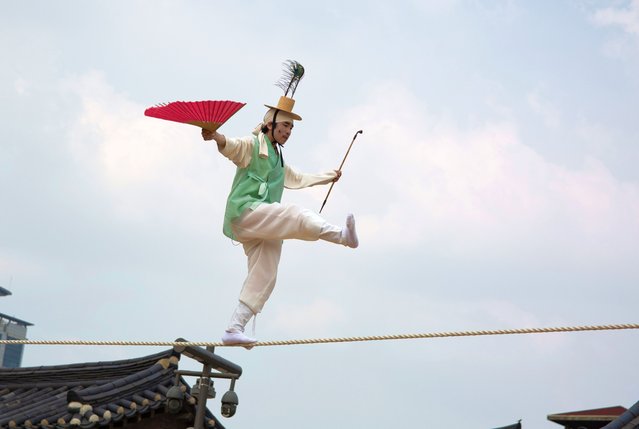
South Korean tightrope walker Nam Chang-dong performs “Jultage” or Tightrope walking during the traditional festival “Dano” at Namsan Hanok village in Seoul, South Korea, 14 June 2021. The festival falls on the fifth day of the fifth month of the lunar calendar. Only 30 audience members were allowed to attend the performance amid the coronavirus COVID-19 pandemic. (Photo by Jeon Heon-Kyun/EPA/EFE)
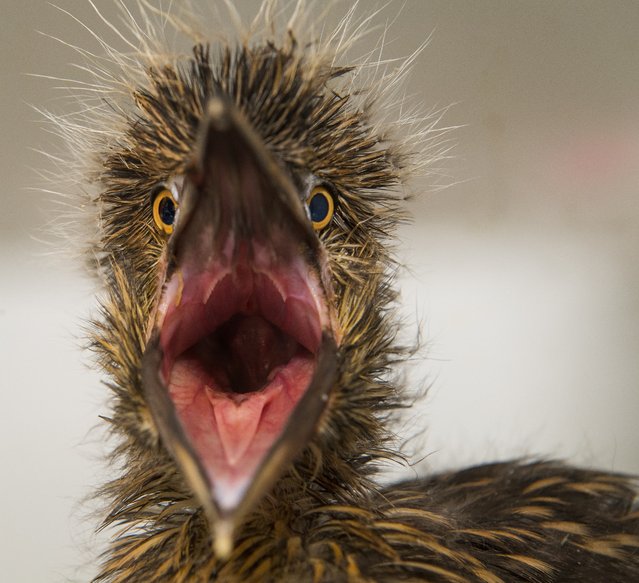
A baby Black-crowned Night Heron squawks in its incubator while being cared for at City Wildlife rescue and rehabilitation center in Washington, DC on May 31, 2017. The heron is one of several that have been brought to CW by the staff at The National Zoo over the past few years. (Photo Linda Davidson/The Washington Post)