A performer wears a face shield at a shopping center on New Year's Eve during the coronavirus disease (COVID-19) outbreak, in Bangkok, Thailand on December 31, 2020. (Photo by Soe Zeya Tun/Reuters)
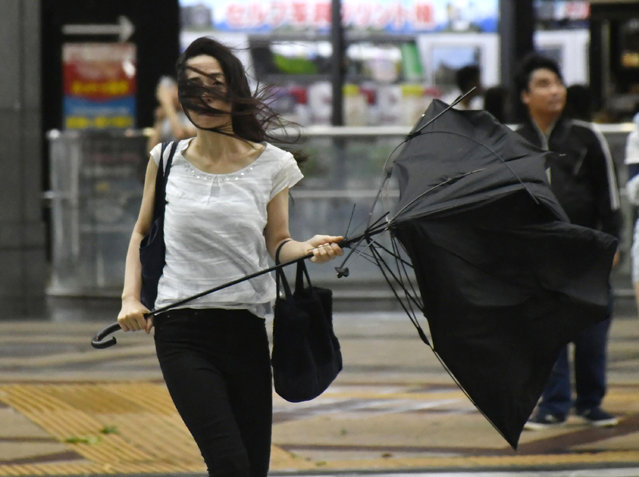
A woman holds broken umbrella as a powerful typhoon hits Osaka, western Japan, Tuesday, September 4, 2018. A powerful typhoon blew through western Japan on Tuesday, causing heavy rain to flood the region's main offshore international airport and high winds to blow a tanker into a connecting bridge, disrupting land and air travel. (Photo by Nobuki Ito/Kyodo News via AP Photo)
An Indian visitor sits on a bike with the wax statue of American actor Tom Cruise at the Madame Tussauds Delhi in New Delhi, India on June 6, 2018. (Photo by Money Sharma/AFP Photo)
Girls talk outside the Niavaran Palace in northern Tehran, capital of Iran, March 26, 2024. People visited the Niavaran Palace during the new year vacation of Nowruz, which falls on March 20 this year. (Photo by Xinhua News Agency/Rex Features/Shutterstock)
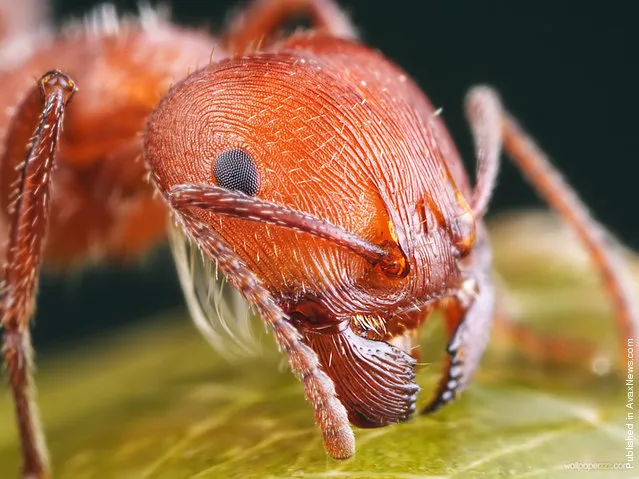
Once upon a time a myth was born that insects, unlike animals, are just a machines that not capable of learning and survive only based on their instincts. That myth has become the widespread opinion. Of course, this opinion is indeed erroneous, like many other widespread opinions. Let us try to find out which part is a myth and which part is true.
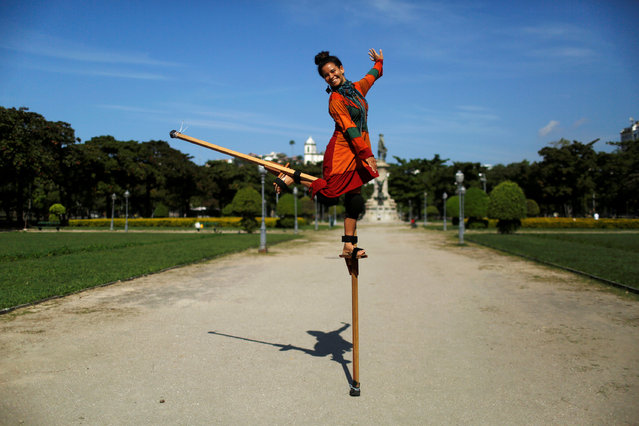
Just a week before Rio de Janeiro hosts South America's first Olympics, city residents expressed mixed feelings about the cost and security of the Games, while holding out hope they will bring joy to a nation facing economic and political crises. The conflicted thoughts mirror a recent survey by the Datafolha polling group showing that half of Brazilians were opposed to holding the Games, while 63 percent think the costs of hosting the event will outweigh benefits. (Photo by Pilar Olivares/Reuters)
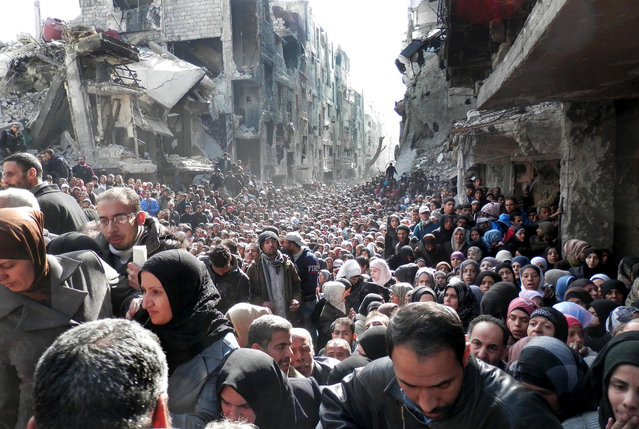
In this January 31, 2014 file photo released by the United Nations Relief and Works Agency for Palestine Refugees in the Near East (UNRWA), shows residents of the besieged Palestinian camp of Yarmouk, queuing to receive food supplies, in Damascus, Syria. That year, the U.N. was able to deliver food to about five percent of people in besieged areas including Yarmouk, while today estimates show the organization is reaching less than one percent. (Photo by UNRWA via AP Photo)
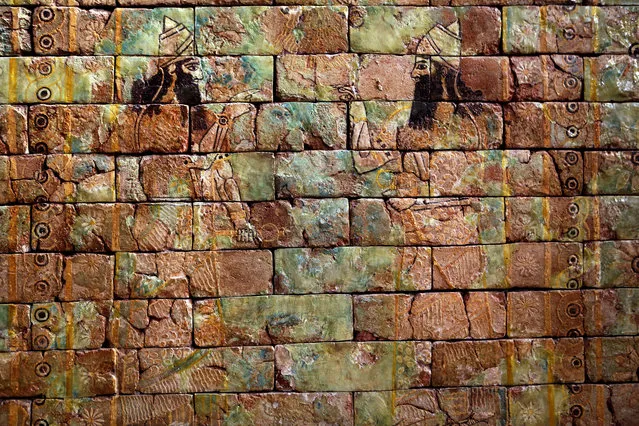
This Monday, September 15, 2014 photo shows glazed bricks displayed at the Iraqi National Museum in Baghdad. The Islamic State militants seek to purge society of all influences that don't conform with their strict, puritanical version of Islam. That means destroying not only relics seen as pagan but also Muslim sites they see as contradicting their ideology, particularly Sunni Muslim shrines they see as idolatrous as well as mosques used by Shiites, a branch of Islam they consider heretical. (Photo by Hadi Mizban/AP Photo)