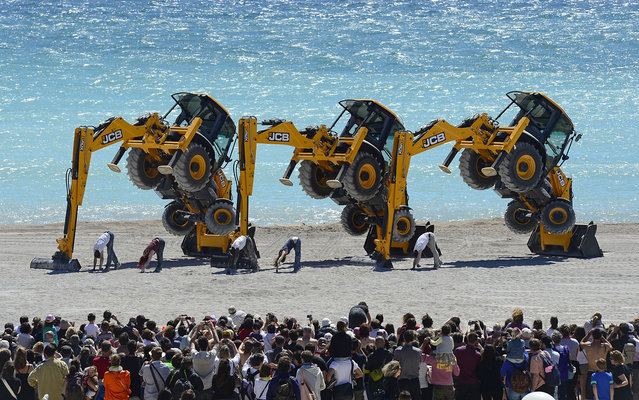
Dancers from the British theater company Motionhouse perform a show with excavators entitled “Traction” on the Prado beach in Marseille, France, on May 10, 2013. (Photo by Boris Horvat/AFP Photo)
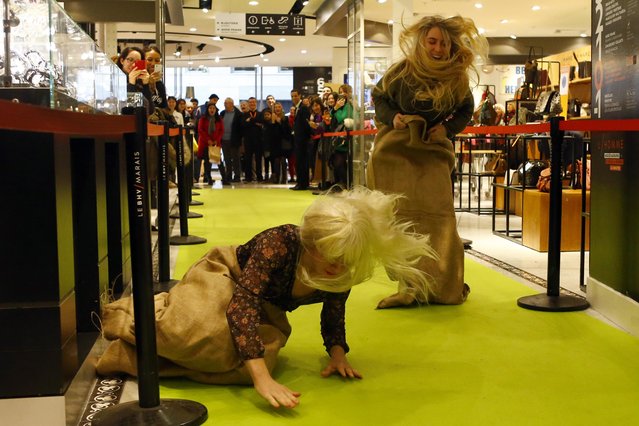
Participants, one of them loosing balance, jump in a sack race at a shopping center in Paris to win a 500 euros voucher (537 USD), on the first day of the winter sales in Paris, France, Wednesday, January 6 , 2016. The five-week 2016 winter sales start everywhere across France on Wednesday Jan. 6 and end on Feb. 16. (Photo by Francois Mori/AP Photo)
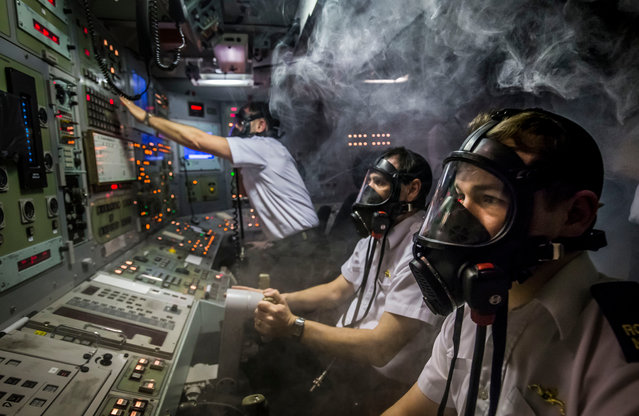
Members of the Royal Navy respond to a simulated fire in a Vanguard-class submarine control room training facility at Clyde naval base in Faslane, Scotland on January 21, 2016. (Photo by Photograph: Danny Lawson/PA Wire)
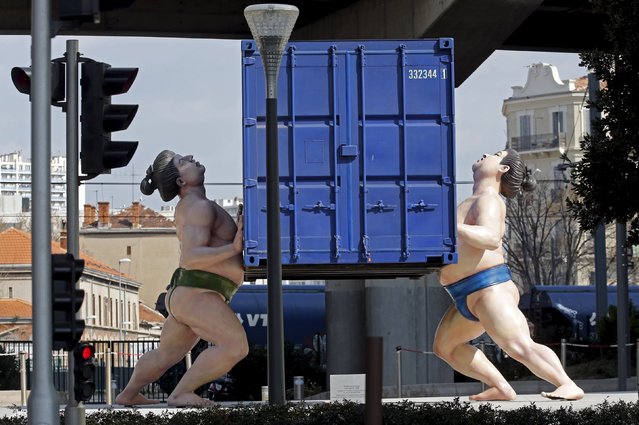
The sculpture “It Takes Two to Tango” by Scottish sculptor David Mach is seen in front of the headquarters of the CMA-CGM shipping company office tower in the port of Marseille, France, March 15, 2016. (Photo by Jean-Paul Pelissier/Reuters)
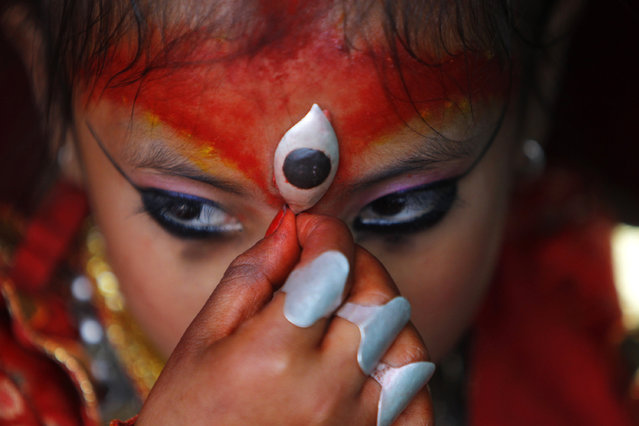
Nepal's Kumari, or living goddess, adjusts her ornament as she watches the Rato Machindranath chariot Festival in Lalitpur, Nepal, Friday, April 24, 2015. Nepal's living goddesses are young pre-pubescent girls considered by devotees to be incarnations of a Hindu goddess. Selected as toddlers, living goddesses usually keep their positions until they reach puberty. (Photo by Niranjan Shrestha/AP Photo)
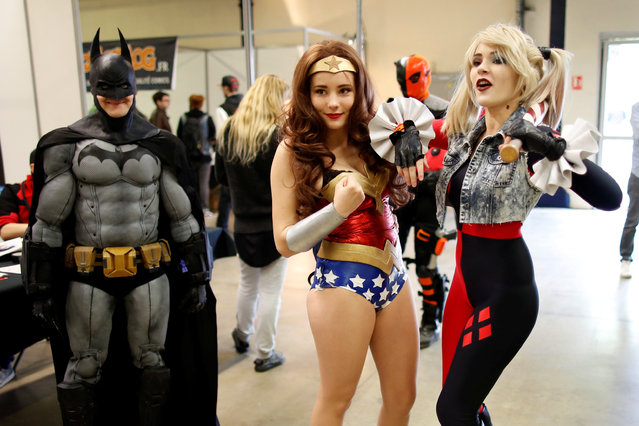
Visitors dressed in superhero costumes attend the Paris Comics Expo at the Parc Floral in Paris, France, April 15, 2016. (Photo by Charles Platiau/Reuters)
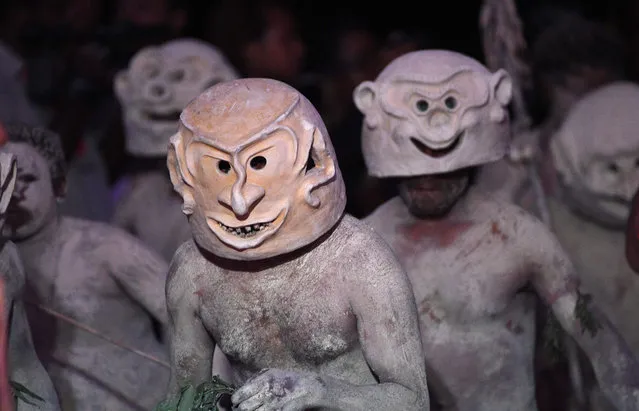
A picture made available on 09 September 2015 shows traditional mud men dancers from the Asaro District of Goroka in the Eastern Highlands Province of Papua New Guinea perform for the official opening of the Pacific Islands Forum in Port Moresby, Papua New Guinea, 08 September 2015. The Pacific Islands Forum goes from 07 to 11 September and discusses the regions vulnerability to Climate Change. (Photo by Mick Tsikas/EPA)
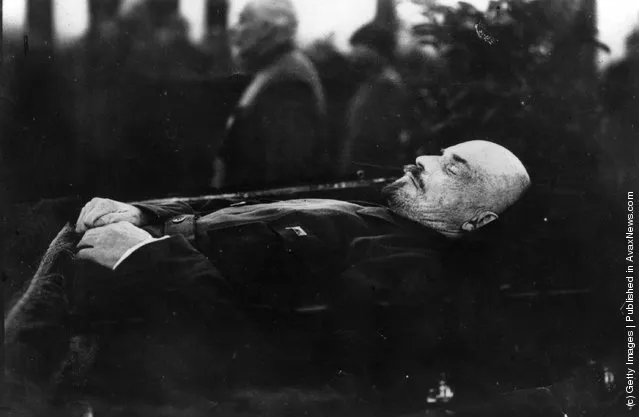
Photo: Vladimir Ilyich Lenin (1870 – 1924) lying in state in the Kremlin. (Photo by Hulton Archive/Getty Images). 1924
Important! For the same article in Russian language click here.
Something quite intriguing is happening within Russian-speaking internet during the last few – should you type a fully academic inquiry (at least, according to Russian academic requirements) in national search engines for "Lenin's mausoleum" – the first thing you get (even in top 10 searches) is website pages talking about black magic and occult. Website authors view this construction differently, but unconditionally agree on one thing: the mausoleum of the "leader of the world proletariat” – the essence of a magical artifact, a sort of “energy vampire”. It was built with a certain purpose: to drain the energy out of miserable Soviet citizens on one hand; and to poison the anthroposphere of one-sixth part of the earth with its vibes (the exact territory that was occupied by the former Soviet Union), depriving the Russian people of will to resist on the other hand. Complete nonsense? No doubt. Nevertheless, an intriguing one. Well, probably because some oddities do exist in mausoleum's history. These oddities are the thing we are going to discuss this time. First, let me refresh you memory on the subject.